Home / Parquet Flooring
Parquet Flooring
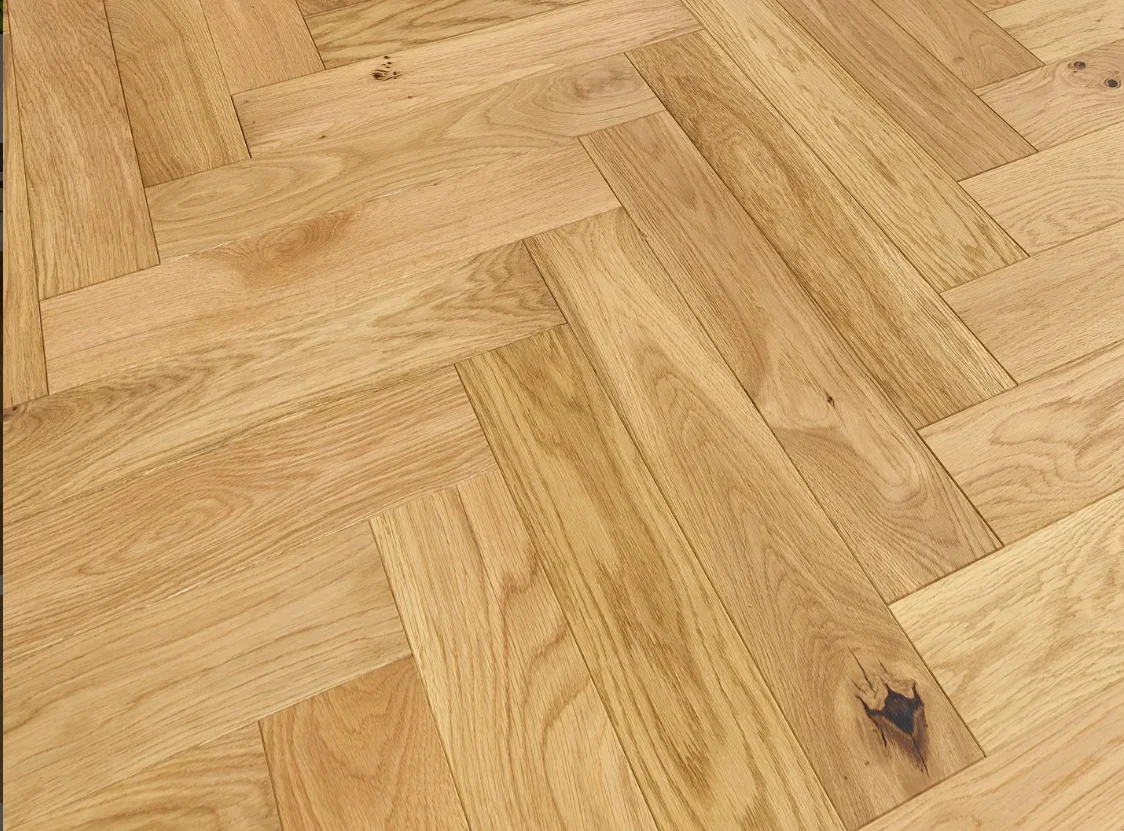
Parquet is wood laid in a geometric pattern rather than in long straight boards. Herringbone, chevron, basket weave and the big square Versailles panels are all parquet — different patterns of the same idea. So if you have been looking at herringbone, you have been looking at parquet.
We supply and fit parquet across South East and South London from our showroom in Forest Hill. 46 parquet floors are in stock below, from £25.99 per m² excluding VAT.
See the range ↓The Four Patterns, and What Each One Does to a Room
The pattern matters more than the wood. The same oak reads completely differently depending on how it is set, and each pattern has a practical consequence as well as a visual one.
| Pattern | What it looks like | Effect in a room | Cost to fit |
|---|---|---|---|
| Herringbone | Rectangular blocks set at 90° to each other, staggered like a zip | Draws the eye along the room; the classic London choice for a hallway or through-room | Higher than plank — every block is set individually |
| Chevron | Blocks cut at an angle so the ends meet in a continuous V | Sharper and more formal; the V points somewhere, so the direction is a decision | Highest — the angled cuts waste more material |
| Versailles panel | Large square panels with a woven lattice inside a border | Period grandeur; needs a big room or it looks cramped | High, but laid as panels rather than block by block |
| Basket weave | Pairs of blocks alternating direction, like woven strips | Quieter than herringbone, reads almost as a texture | Similar to herringbone |
A practical note on size: the smaller the block, the busier the floor. In a small London sitting room a fine herringbone can feel restless, while the same pattern in wider blocks reads calm. We keep both in the showroom for exactly this reason — it is not a decision to make from a photograph.
Should I choose engineered or solid parquet?
Almost all the parquet we sell is engineered: a real oak wear layer bonded to a cross-grained plywood core. It is not a compromise version of solid parquet — for most London houses it is the better material.
The reason is movement. Parquet has far more joints per square metre than a plank floor, and in herringbone half the blocks have their grain running across the other half. Solid blocks swell and shrink against each other every season; an engineered core barely moves at all. That also makes engineered the only sensible choice over underfloor heating, which most new kitchen extensions now have.
Solid parquet still has its place — restoring a period floor, or a Versailles panel in a house that deserves one. It can be sanded many more times, and if you have original blocks worth saving, that is usually the right route. Our guide to looking after parquet covers what to do with an old floor before deciding to replace it.
Parquet Is Always Glued Down
This is the one rule with no exceptions. A parquet floor is bonded to the subfloor, never floated on an underlay. A floating herringbone behaves like one loose sheet: it creeps, the pattern opens along the joints, and there is no way to repair it afterwards.
Which means the base decides everything. The subfloor has to be flat to roughly 2 mm over 2 m, clean and dry, with a moisture reading taken before anything is ordered. Herringbone is unforgiving about flatness: every block is short and set at an angle, so a dip that a long plank would bridge shows up as a shadow line running across the pattern. On most of our jobs the preparation takes as long as the laying.
You can see what that looks like in practice on a whole ground floor of smoked oak herringbone we laid in Norwood, and the full technical sequence is in our fitting guide.
What Parquet Costs
Engineered herringbone in our range runs from £25.99 to £59.27 per m² excluding VAT, with a median of £44.99. Chevron is quoted on request because the angled cutting makes the price depend on the run. The solid oak Versailles panel is £117.75 per m², which is what a genuine period panel costs.
Two things to allow for beyond the price per square metre. Parquet needs more material than a plank floor — the cutting at walls and around the border generates more waste, and 10–15% extra is normal rather than the 5–7% you would allow for planks. And fitting costs more per square metre, because every block is placed individually.
Send us the room sizes and we will work out the real figure including waste and fitting, rather than a rate that turns into a different number later.
Shop Parquet Flooring
Herringbone, chevron and panel parquet — 46 floors in stock.
Showing all 46 results
-
Invisible Oak – Engineered Oak Herringbone Parquet Flooring
£25.99 / m² ex. VAT Add to cart -
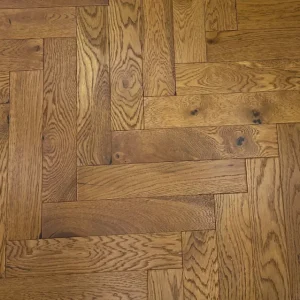
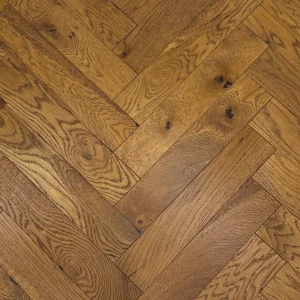
Golden Wheat – Engineered Oak Herringbone Parquet Flooring
£25.99 / m² ex. VAT Add to cart -
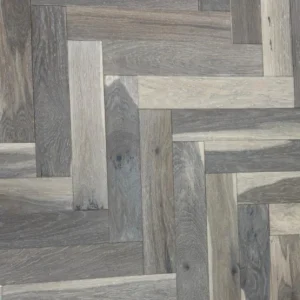
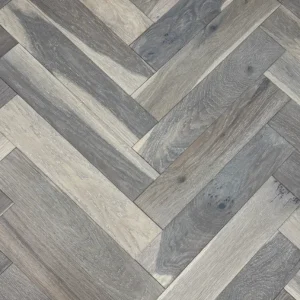
Smoked Grey – Engineered Oak Herringbone Parquet Flooring
£25.99 / m² ex. VAT Add to cart -
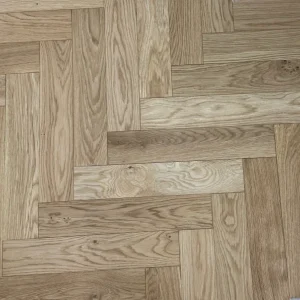
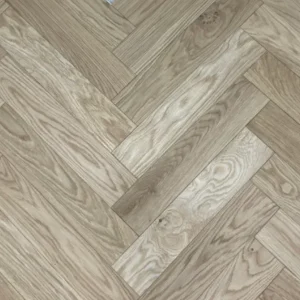
Natural Oak – Engineered Oak Herringbone Parquet Flooring
£25.99 / m² ex. VAT Add to cart -
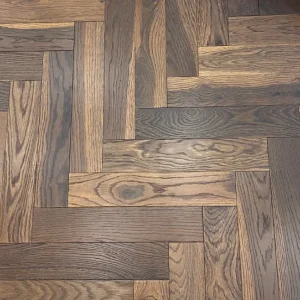
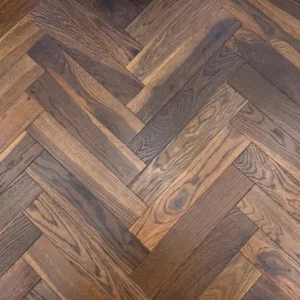
Smoked Natural – Engineered Oak Herringbone Parquet Flooring
£25.99 / m² ex. VAT Add to cart -
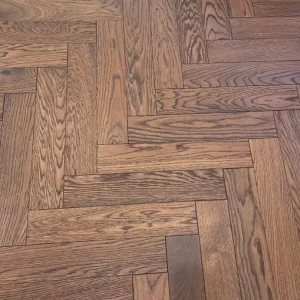
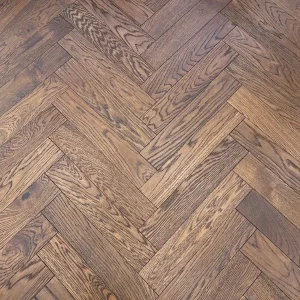
Whiskey Oak – Engineered Oak Herringbone Parquet Flooring
£25.99 / m² ex. VAT Add to cart -
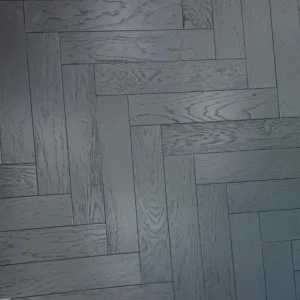
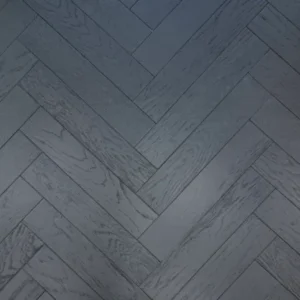
Galaxy Black – Engineered Oak Herringbone Parquet Flooring
£25.99 / m² ex. VAT Add to cart -
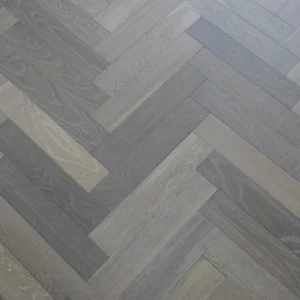
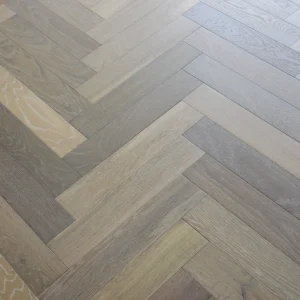
Smoke Grey – Engineered Oak Herringbone Parquet Flooring
£32.99 / m² ex. VAT Add to cart -
 Sale!
Sale!
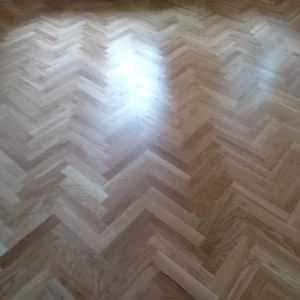
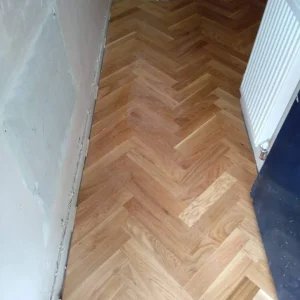
Travers Crown – Engineered Oak Herringbone Parquet Flooring
Original price was: £37.38.£34.50Current price is: £34.50. / m² ex. VAT Add to cart -
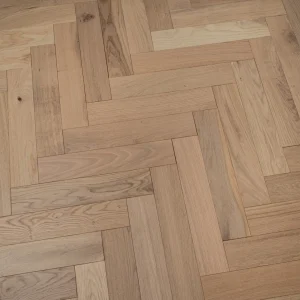
Invisible Soft – Engineered Oak Herringbone Parquet Flooring
£37.49 / m² ex. VAT Add to cart -
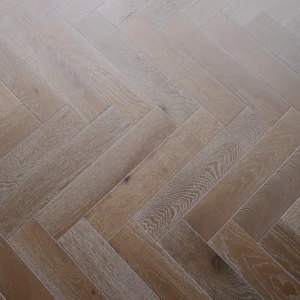
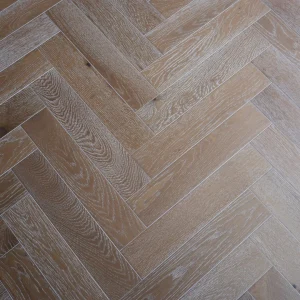
Frosted Smoke – Engineered Oak Herringbone Parquet Flooring
£37.49 / m² ex. VAT Add to cart -
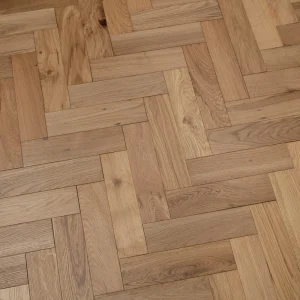
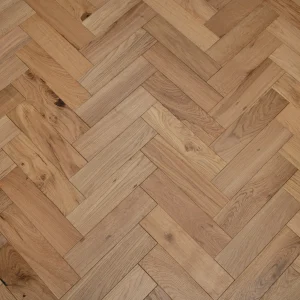
Natural Soft – Engineered Oak Herringbone Parquet Flooring
£40.49 / m² ex. VAT Add to cart -
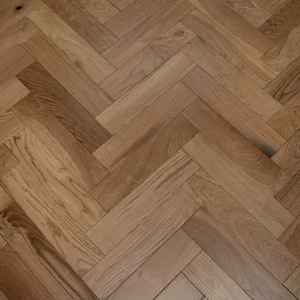
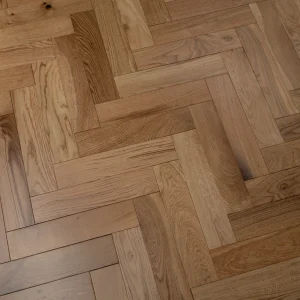
Natural Vibrant – Engineered Oak Herringbone Parquet Flooring
£44.99 / m² ex. VAT Add to cart -
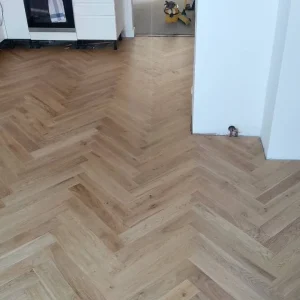
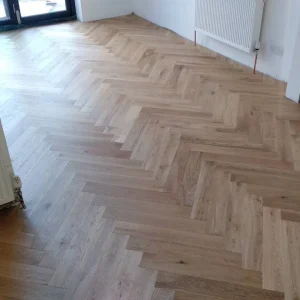
Classic Block – Engineered Oak Herringbone Parquet Flooring
£45.26 / m² ex. VAT Add to cart -
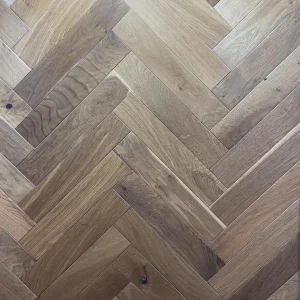
Smoked Heritage – Engineered Oak Herringbone Parquet Flooring
£47.99 / m² ex. VAT Add to cart -
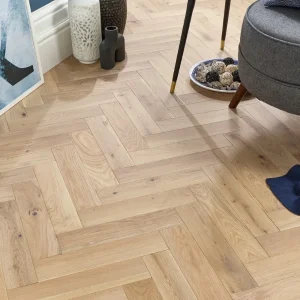
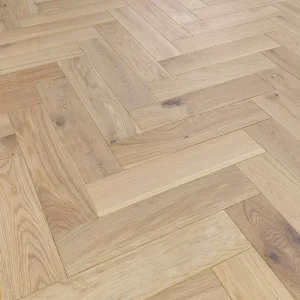
Invisible Oiled – Engineered Oak Herringbone Parquet Flooring
£47.99 / m² ex. VAT Add to cart -
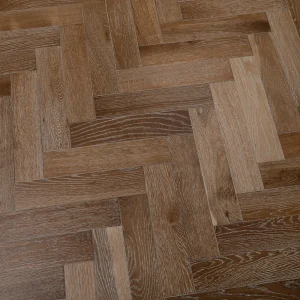
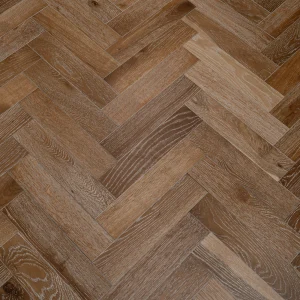
Smoked White – Engineered Oak Herringbone Parquet Flooring
£47.99 / m² ex. VAT Add to cart -
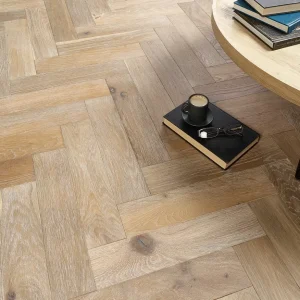
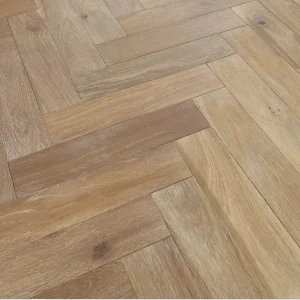
Urban Grey – Engineered Oak Herringbone Parquet Flooring
£47.99 / m² ex. VAT Add to cart -
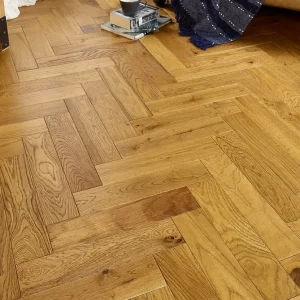
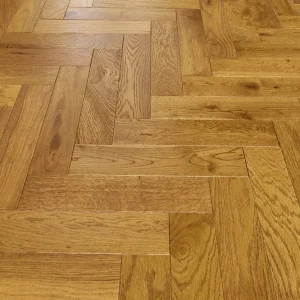
Golden Tone – Engineered Oak Herringbone Parquet Flooring
£47.99 / m² ex. VAT Add to cart -
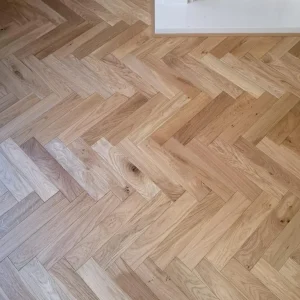
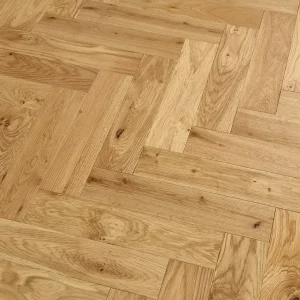
Natural Balance – Engineered Oak Herringbone Parquet Flooring
£47.99 / m² ex. VAT Add to cart -
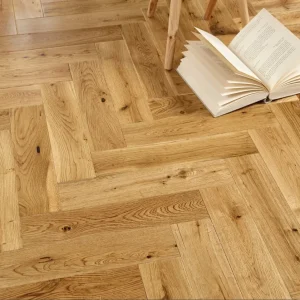
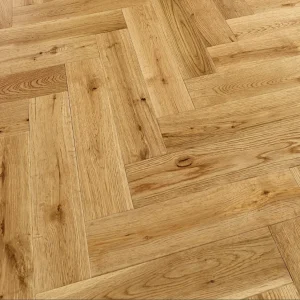
Natural Silk – Engineered Oak Herringbone Parquet Flooring
£47.99 / m² ex. VAT Add to cart -
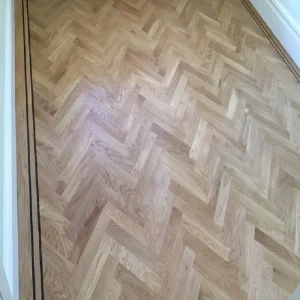
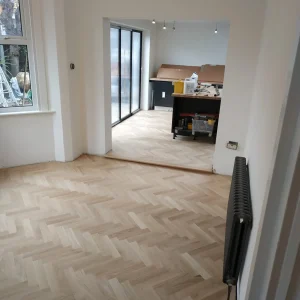
Natural Rustic – Solid Oak Herringbone Parquet Flooring
£50.44 / m² ex. VAT Add to cart -
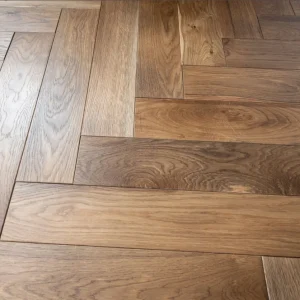
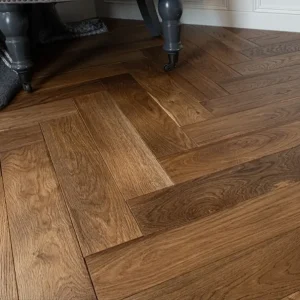
Deep Smoked – Engineered Oak Herringbone Parquet Flooring
£52.49 / m² ex. VAT Add to cart -
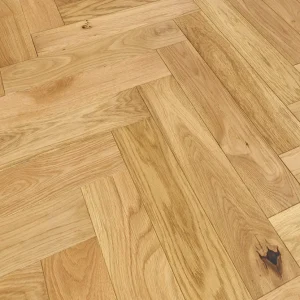
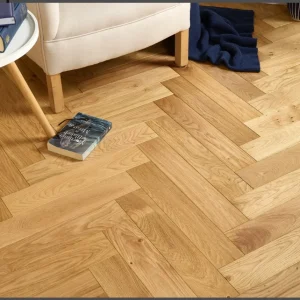
Natural Warm – Engineered Oak Herringbone Parquet Flooring
£52.49 / m² ex. VAT Add to cart -
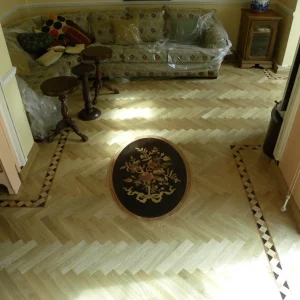
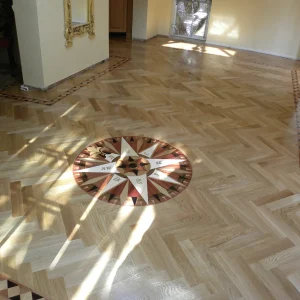
Natural Select – Solid Oak Herringbone Parquet Flooring
£59.27 / m² ex. VAT Add to cart -
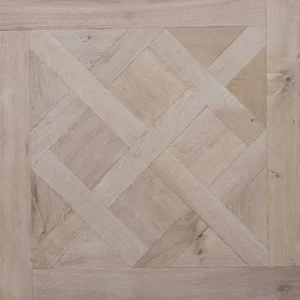
Versailles – Engineered Oak Parquet Flooring
£117.75 / m² ex. VAT Add to cart -
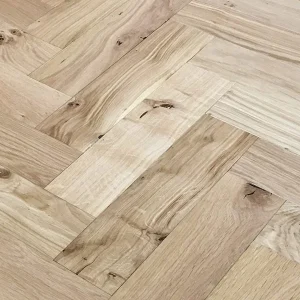
Brushed Oak Herringbone – Engineered Oak Herringbone Parquet Flooring
Price on request Request price -
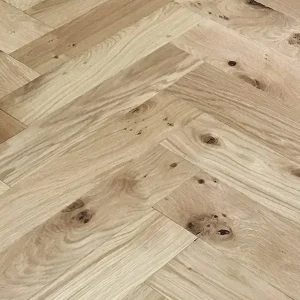
Natural Oak Herringbone – Engineered Oak Herringbone Parquet Flooring
Price on request Request price -
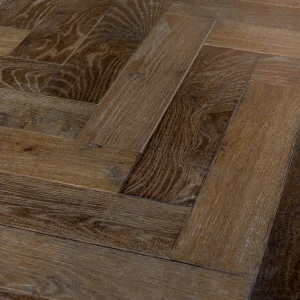
Tannery Brown Herringbone – Engineered Oak Herringbone Parquet Flooring
Price on request Request price -
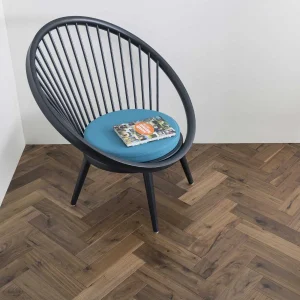
American Black Walnut Herringbone – Engineered Walnut Herringbone Parquet Flooring
Price on request Request price -
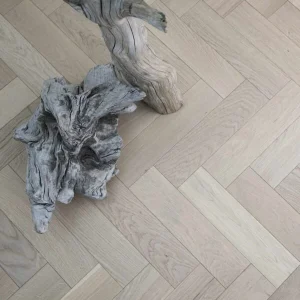
Shore Drift Herringbone – Engineered Oak Herringbone Parquet Flooring
Price on request Request price -
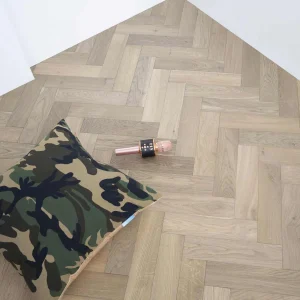
White Smoked Herringbone – Engineered Oak Herringbone Parquet Flooring
Price on request Request price -
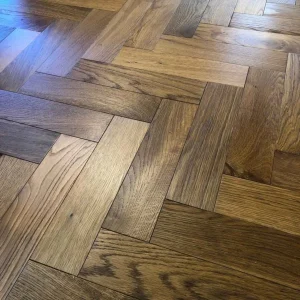
Smoked Oak Herringbone ZB – Engineered Oak Herringbone Parquet Flooring
Price on request Request price -
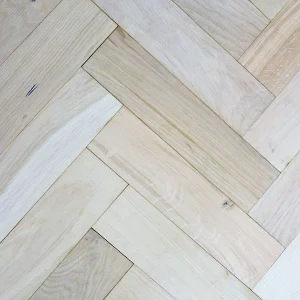
Unfinished Oak Herringbone – Engineered Oak Herringbone Parquet Flooring
Price on request Request price -
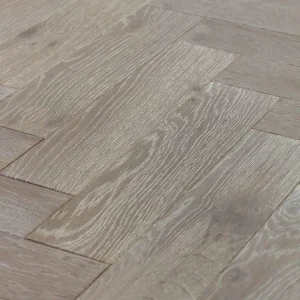
Silver Haze Herringbone – Engineered Oak Herringbone Parquet Flooring
Price on request Request price -
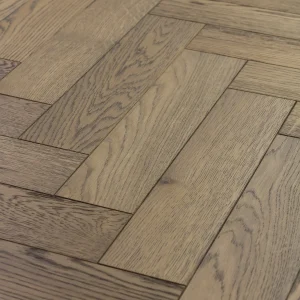
Frozen Umber Herringbone – Engineered Oak Herringbone Parquet Flooring
Price on request Request price -
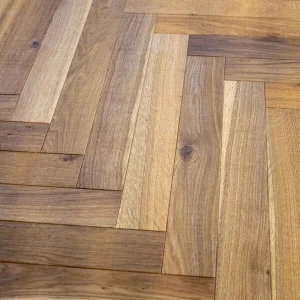
Thermo Cross Sawn Herringbone – Engineered Oak Herringbone Parquet Flooring
Price on request Request price -
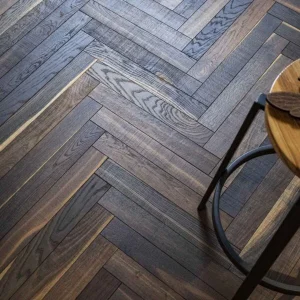
Smoked Cross Sawn Herringbone – Engineered Oak Herringbone Parquet Flooring
Price on request Request price -
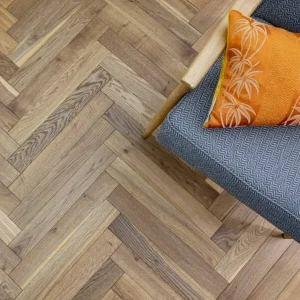
Thermo Oak Herringbone – Engineered Oak Herringbone Parquet Flooring
Price on request Request price -
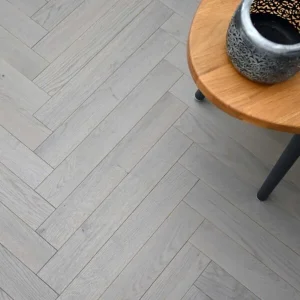
Misty Grey Herringbone – Engineered Oak Herringbone Parquet Flooring
Price on request Request price -
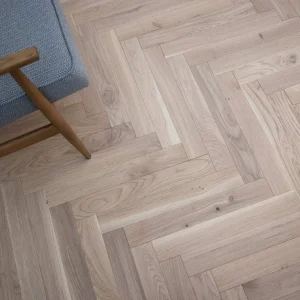
Seashell Oak Herringbone – Engineered Oak Herringbone Parquet Flooring
Price on request Request price -
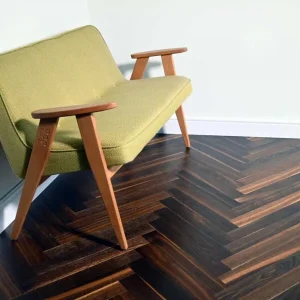
Smoked Oak Herringbone – Engineered Oak Herringbone Parquet Flooring
Price on request Request price -
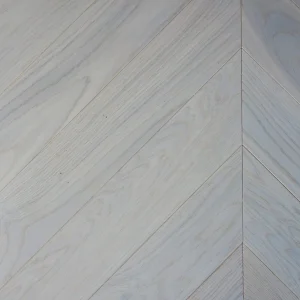
Misty Grey Oak Chevron – Engineered Oak Chevron Parquet Flooring
Price on request Request price -
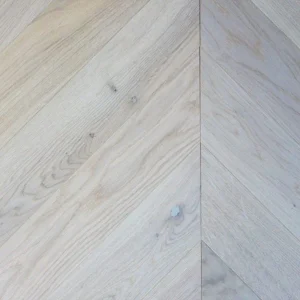
Seashell Oak Chevron – Engineered Oak Chevron Parquet Flooring
Price on request Request price -
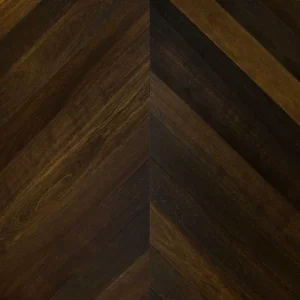
Smoked Oak Chevron – Engineered Oak Chevron Parquet Flooring
Price on request Request price -
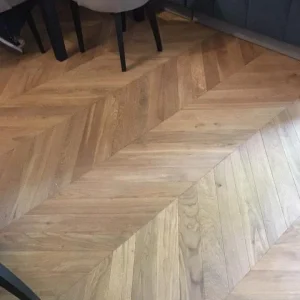
Natural Oak Chevron – Engineered Oak Chevron Parquet Flooring
Price on request Request price
Parquet in London Houses
Parquet is not a trend here; it is what a great many Victorian, Edwardian and interwar houses were built with. Plenty of them still have their original blocks under a carpet fitted in the 1970s, and a floor like that is almost always worth saving. Sanding and refinishing costs a fraction of replacing it and keeps something original to the building — there are before-and-after photographs from a restoration in Lewisham on our recent work page.
If there is nothing worth keeping, or the floor is going into a new extension, engineered parquet gives the same look on a base that copes with modern heating. We work across Dulwich, Norwood, Forest Hill, Sydenham, Herne Hill, Crystal Palace, Lewisham, Greenwich and the rest of South East London — see Dulwich and Norwood for two recent jobs, or the installation page for how we work.
Frequently Asked Questions
What is the difference between parquet and herringbone?
None, really — herringbone is one pattern of parquet. Parquet is the general term for wood laid in a geometric pattern; herringbone, chevron, basket weave and Versailles panels are all types of it.
Is herringbone the same as chevron?
No. In herringbone the blocks are rectangular and meet at right angles, so the ends step past each other. In chevron the blocks are cut at an angle and meet point to point, forming a continuous V. Chevron costs more because of the angled cutting.
Can parquet go over underfloor heating?
Engineered parquet can, glued down, and brought up to temperature gradually over the first week. Solid parquet should not — it moves too much with the heat cycles.
How much extra parquet should I order for waste?
10–15% for parquet, against 5–7% for a plank floor. The border cuts and the angles at walls generate more offcuts.
Can an old parquet floor be sanded and restored?
Usually yes, and the result is often remarkable. It is a different job from sanding planks: the grain runs in several directions, so the floor is worked diagonally and in stages. Check the block thickness first — old solid blocks are 15–22 mm and take several sandings.
Do you fit parquet floors in London, or only supply them?
Both. Most customers buy and have us fit, which keeps one company answerable for the result. We also supply to trade and to customers with their own fitter — but with parquet we would want to know who is laying it, because the pattern shows every mistake.
What Our Customers Say
★★★★★
“We had some herringbone flooring fitted recently. It was a great experience from start to finish and we couldn't be more happy with the result. Ruslan is a…”
★★★★★
“Beautiful job, I’m so pleased. Ruslan is very knowledgable, flagged any potential issues early and advised me on what I could preserve from the existing f…”
★★★★★
“I went to visit Wood4Floors to see some samples, and had a super helpful man show me some things and gave me a few full sized samples of herringbone flooring.…”
How do I get a price for a parquet floor?
Send your room sizes for a price including waste and fitting, or order samples and see the blocks in your own light before deciding on a pattern.
Get a Free Quote Order Free Samples