Home / Oak Flooring
Oak Flooring
Oak is what almost all of this catalogue is made of — 130 of our 134 floors. It is the timber British houses have been floored with for centuries, and it stays the default for a practical reason: it is hard enough to live with, it takes any finish, and it can be sanded back rather than thrown away.
We supply and fit oak floors across South East and South London from our showroom in Forest Hill, and we supply only to customers who have their own fitters. The range runs from £22.00 to £117.75 per m² excluding VAT, with the middle of it around £48.
See the range ↓Grade Decides the Look Before Colour Does
Grade is how much of the tree you can see — knots, sapwood, colour variation. It changes a floor more than stain does, and it is the thing people most often get wrong when choosing from a small sample. Our range is 65 rustic, 63 natural and 2 select.
| Herringbone | Chevron | |
|---|---|---|
| Block shape | Plain rectangle, cut square | Cut at an angle at both ends |
| How it meets | End to side, stepped | Point to point, continuous V |
| Feel | Traditional, informal, forgiving | Formal, directional, more modern |
| Waste | 10–15% | More — the angled cuts throw away more |
| Cost | Higher than plank | Highest of the three |
| Best in | Almost any room; the safe choice | Long rooms and hallways, where the V has somewhere to go |
Rustic shows the knots and the colour swings, and it suits older houses and busy rooms because marks disappear into it. Natural is calmer, with smaller knots and more even colour. Select is nearly clean timber, which looks expensive and shows every scratch. There is no better or worse here, only what the room is for.
Colour, and What Actually Produces It
Of the 130 oak floors, 52 are natural oak, 24 grey, 19 smoked, 15 light, 11 dark and 9 medium. It is worth knowing how those colours are made, because it changes how they age.
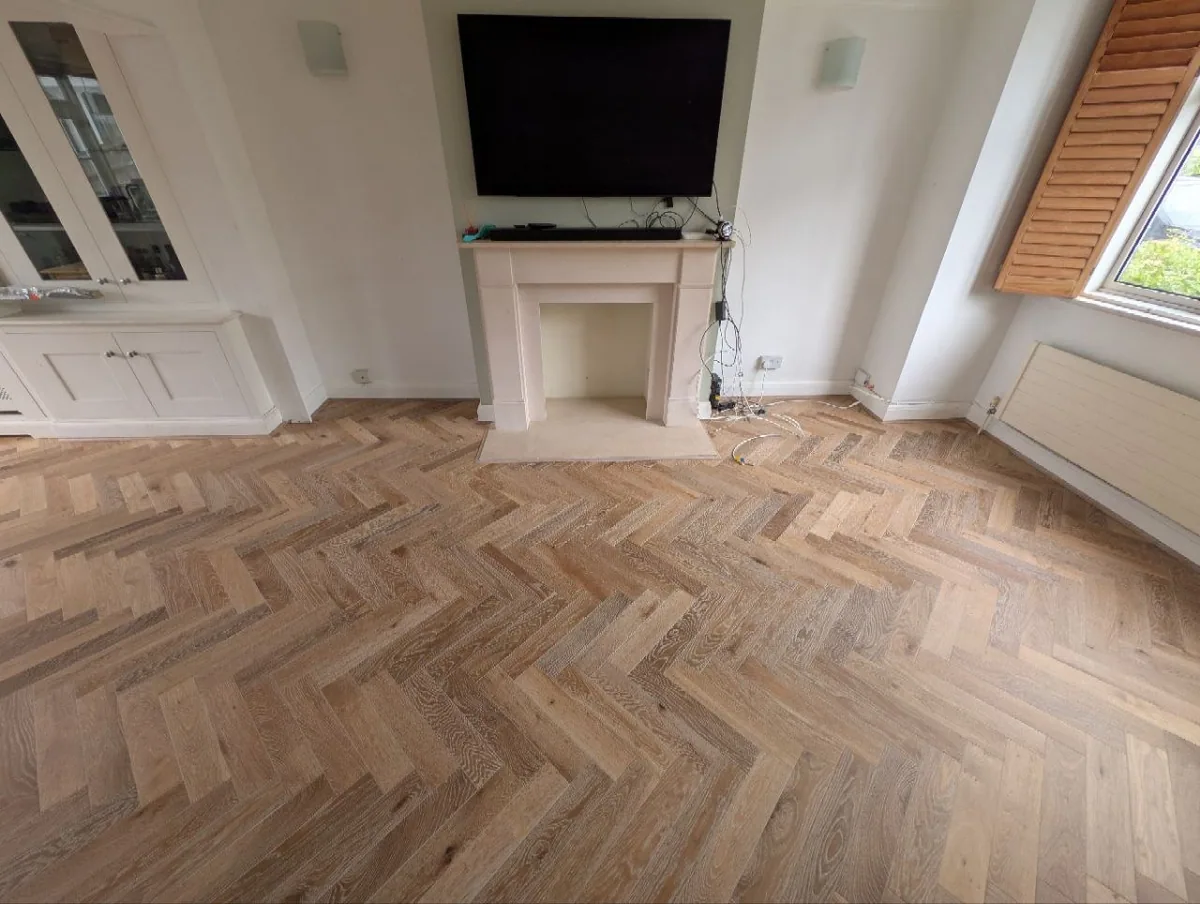
Smoked oak is reacted right through the wear layer, so a deep scratch shows the same colour underneath. A stained floor is coloured on the surface only, and damage shows pale wood. Grey is nearly always a stain or a reactive white. If you want a colour that forgives wear, smoked is the one to look at first. 102 of the 130 are also brushed, meaning the soft grain is scoured out so the texture is slightly raised — which hides dust and small scratches, and is why a brushed floor still looks reasonable after a winter of boots.
Engineered Oak, and the Three Solid Floors
127 of the 130 are engineered: a real oak wear layer bonded to a cross-grained core. The core is what stops the board cupping when a London flat swings from dry central heating to a humid August. The top is solid oak, so what you walk on and what you sand is the same timber as a solid board.
Wear layer is the number that matters, not total thickness. Ours are 3–4 mm on 75 floors, 2–3 mm on 32 and 4–6 mm on 9. A 3–4 mm layer takes two or three sandings, which is more than most floors ever get.
We keep three solid oak floors, and they are the right answer in a period house with sound timber joists and no underfloor heating. Over a concrete slab or over heating, solid oak is the one combination we would talk you out of — 62 of our oak floors are approved for underfloor heating, and none of them are solid.
Board Width, and What Oak Costs
Our oak runs from 70 mm to 220 mm wide, and the single most common board is 190 mm, on 51 of the floors. Wide boards make a room read as calmer, because there are fewer lines in it; narrow boards make a small room read as longer. The catch with wide boards is that the subfloor has to be flatter — a 220 mm board bridges a dip that a 90 mm block would follow, and it will drum underfoot where it bridges.
On price, our oak runs from £22.00 to £117.75 per m² excluding VAT, and the median floor is £47.99. The spread is mostly wear layer, board width and whether the floor is a plank or a parquet pattern.
Two costs sit outside that per-m² figure and are worth knowing before you compare quotes. Waste: allow about 7–10 per cent on plank, and more on herringbone and chevron because the pattern produces offcuts at every edge. And preparation: a flat, dry subfloor adds nothing, while levelling or a damp-proof membrane is a real line on a real quote. Send us your room sizes and we will give you the number including waste and fitting, rather than a price per m² that grows later.
Shop Oak Flooring
130 oak floors — 85 plank, 40 herringbone and 4 chevron — from £22.00 per m² excluding VAT. Three samples free.
Showing 1–48 of 130 results
-
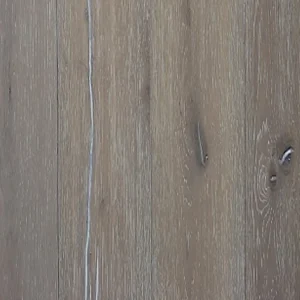
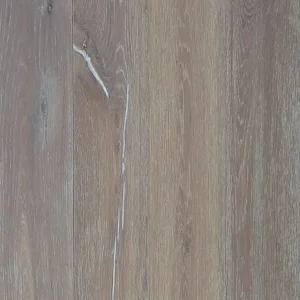
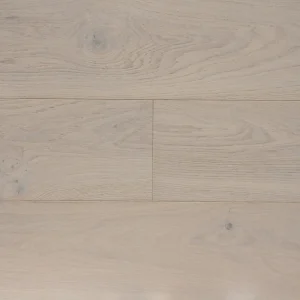
Antique Smoked – Engineered Oak Plank Flooring
£59.99 / m² ex. VAT Add to cart -
 Sale!
Sale!
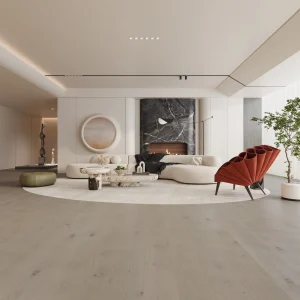
Aspen Oak – Engineered Oak Plank Flooring
Original price was: £44.95.£41.95Current price is: £41.95. / m² ex. VAT Add to cart -
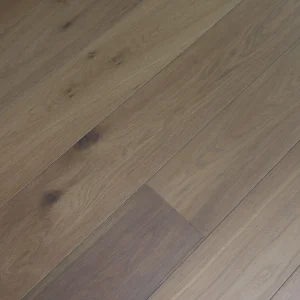
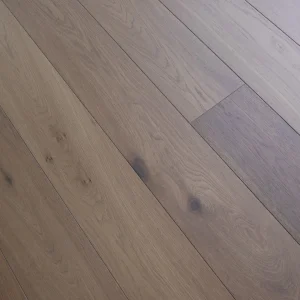
Baked Grey – Engineered Oak Plank Flooring
£32.99 / m² ex. VAT Add to cart -

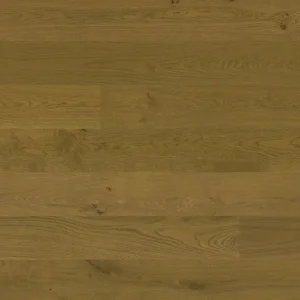
Biscuit – Engineered Oak Plank Flooring
£51.00 / m² ex. VAT Add to cart -
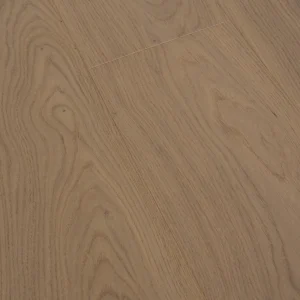 Sale!
Sale!
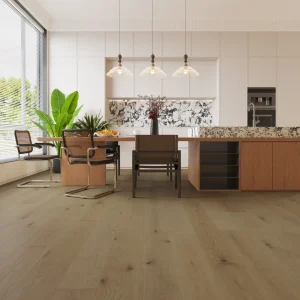
Blonde Oak – Engineered Oak Plank Flooring
Original price was: £44.95.£41.95Current price is: £41.95. / m² ex. VAT Add to cart -
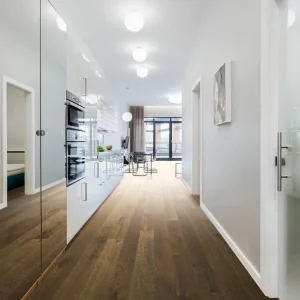

Bridle – Engineered Oak Plank Flooring
£51.00 / m² ex. VAT Add to cart -
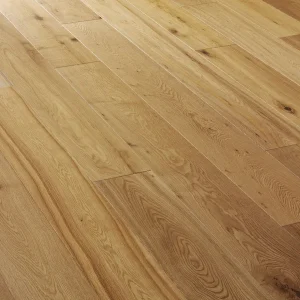
Brushed Hardwax Oiled Oak – Engineered Oak Plank Flooring
Price on request Request price -
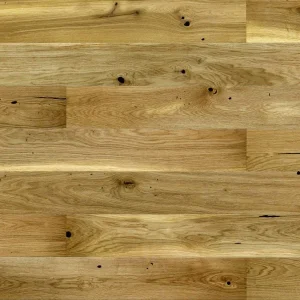
Brushed Oak – Engineered Oak Plank Flooring
Price on request Request price -
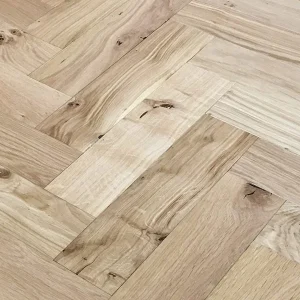
Brushed Oak Herringbone – Engineered Oak Herringbone Parquet Flooring
Price on request Request price -
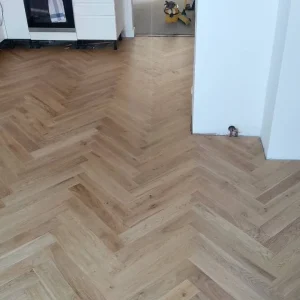
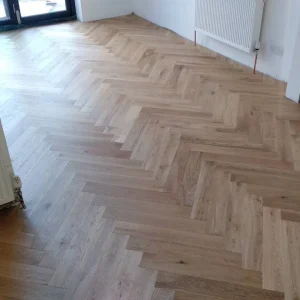
Classic Block – Engineered Oak Herringbone Parquet Flooring
£45.26 / m² ex. VAT Add to cart -
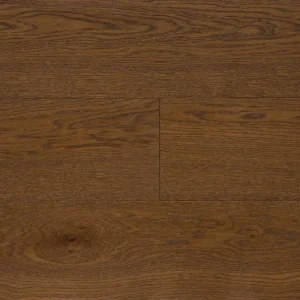 Sale!
Sale!
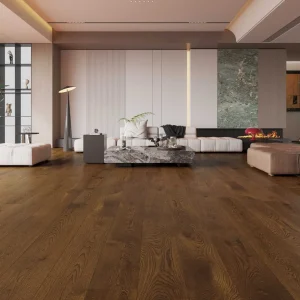
Cognac Oak – Engineered Oak Plank Flooring
Original price was: £44.95.£41.95Current price is: £41.95. / m² ex. VAT Add to cart -
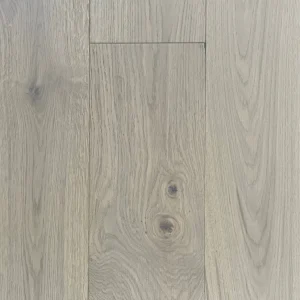
Cool Grey – Engineered Oak Plank Flooring
£49.13 / m² ex. VAT Add to cart -

Cotton’s Wharf – Engineered Oak Plank Flooring
£47.75 / m² ex. VAT Add to cart -
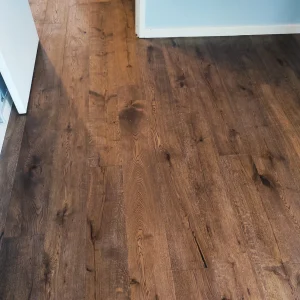
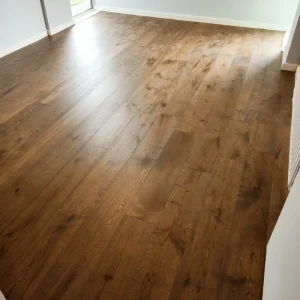
Cringle Dock – Engineered Oak Plank Flooring
£49.49 / m² ex. VAT Add to cart -
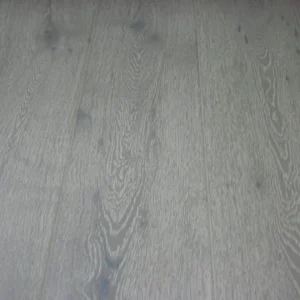
Debden Wharf – Engineered Oak Plank Flooring
£49.49 / m² ex. VAT Add to cart -
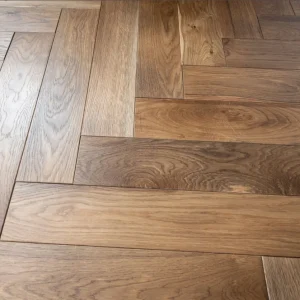
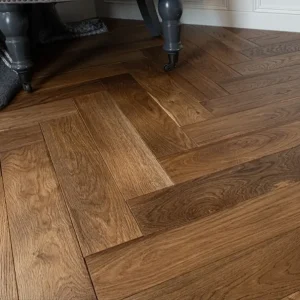
Deep Smoked – Engineered Oak Herringbone Parquet Flooring
£52.49 / m² ex. VAT Add to cart -
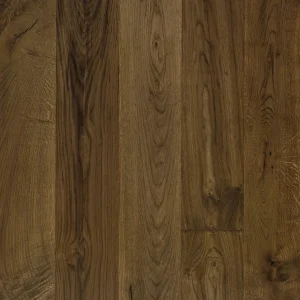
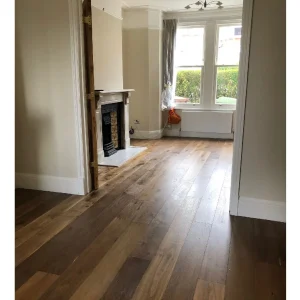
Deep Smoked – Engineered Oak Plank Flooring
£47.99 / m² ex. VAT Add to cart -
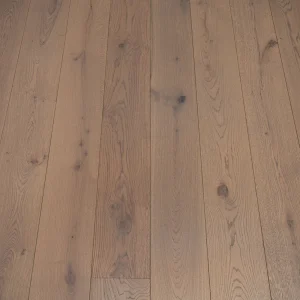
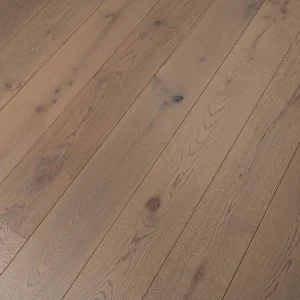
Dove Grey – Engineered Oak Plank Flooring
£42.99 / m² ex. VAT Add to cart -
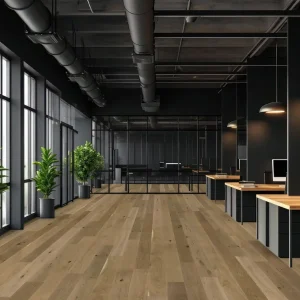
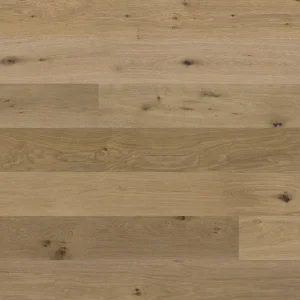
Dovetail – Engineered Oak Plank Flooring
£51.00 / m² ex. VAT Add to cart -
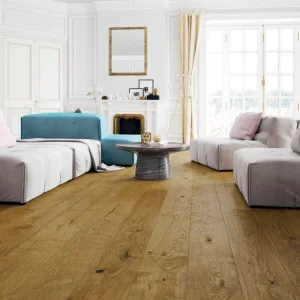
Embered Oak – Engineered Oak Plank Flooring
Price on request Request price -
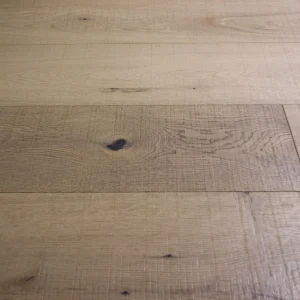
Falcon Draw Dock – Engineered Oak Plank Flooring
£53.90 / m² ex. VAT Add to cart -
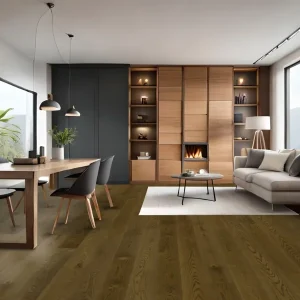
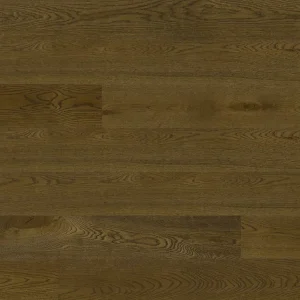
Feather – Engineered Oak Plank Flooring
£51.00 / m² ex. VAT Add to cart -
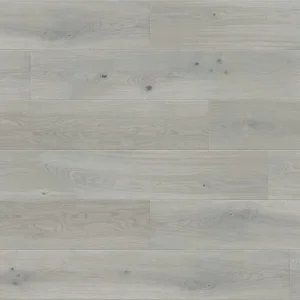
Fjordic Shore – Engineered Oak Plank Flooring
Price on request Request price -
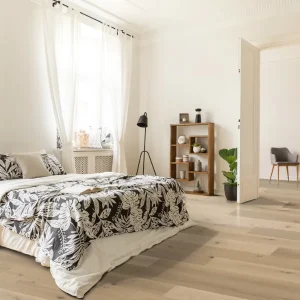
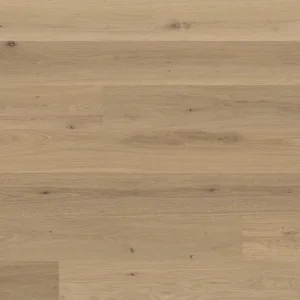
Foxtail – Engineered Oak Plank Flooring
£51.00 / m² ex. VAT Add to cart -
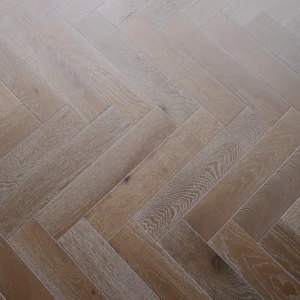
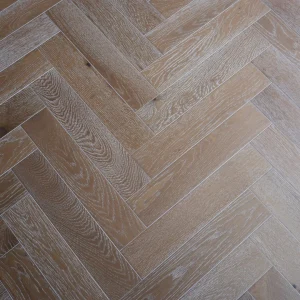
Frosted Smoke – Engineered Oak Herringbone Parquet Flooring
£37.49 / m² ex. VAT Add to cart -
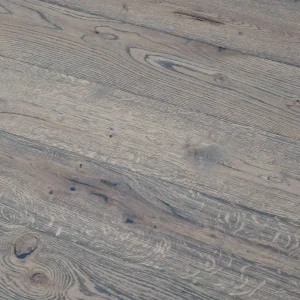
Frozen Umber – Engineered Oak Plank Flooring
Price on request Request price -
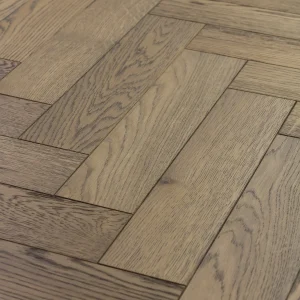
Frozen Umber Herringbone – Engineered Oak Herringbone Parquet Flooring
Price on request Request price -
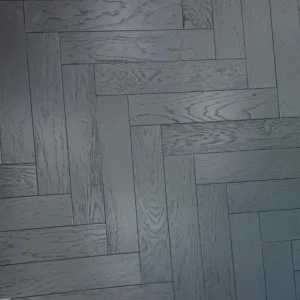
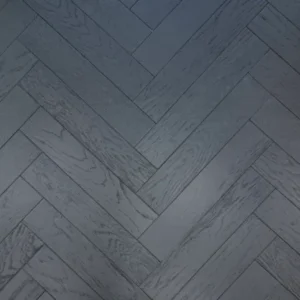
Galaxy Black – Engineered Oak Herringbone Parquet Flooring
£25.99 / m² ex. VAT Add to cart -
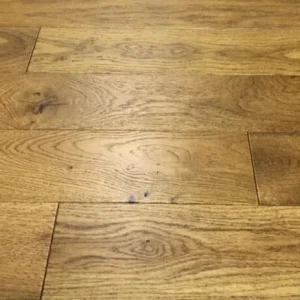
Golden Grain – Engineered Oak Plank Flooring
£37.49 / m² ex. VAT Add to cart -
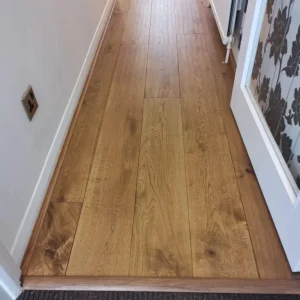
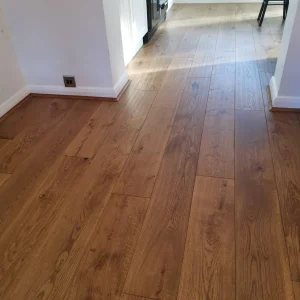
Golden Handscraped – Engineered Oak Plank Flooring
£47.99 / m² ex. VAT Add to cart -
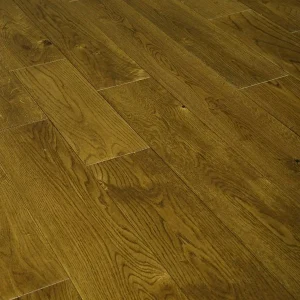
Golden Stained Oak – Engineered Oak Plank Flooring
Price on request Request price -
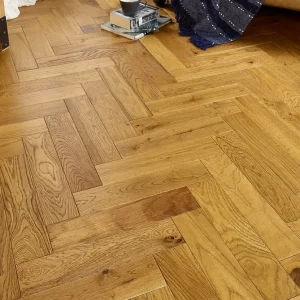
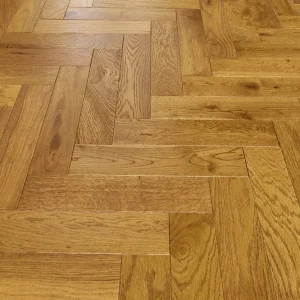
Golden Tone – Engineered Oak Herringbone Parquet Flooring
£47.99 / m² ex. VAT Add to cart -
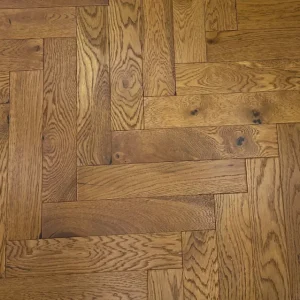
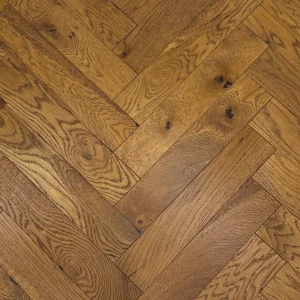
Golden Wheat – Engineered Oak Herringbone Parquet Flooring
£25.99 / m² ex. VAT Add to cart -
Sale!
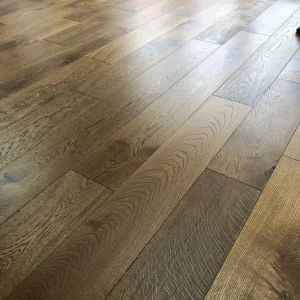
Golden Wide – Engineered Oak Plank Flooring
Original price was: £42.75.£39.20Current price is: £39.20. / m² ex. VAT Add to cart -
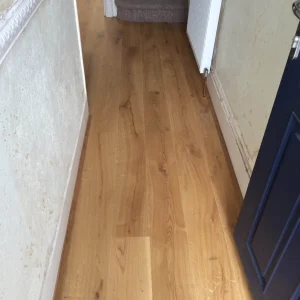
Grand Wide – Engineered Oak Plank Flooring
£59.93 / m² ex. VAT Add to cart -
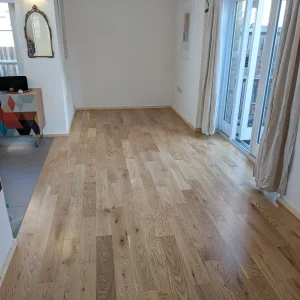
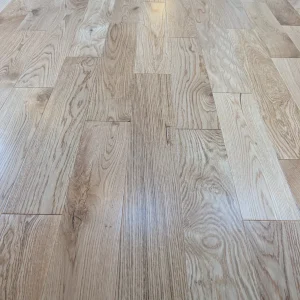
Griffins Wharf – Engineered Oak Plank Flooring
£38.99 / m² ex. VAT Add to cart -
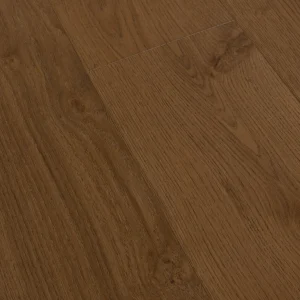 Sale!
Sale!
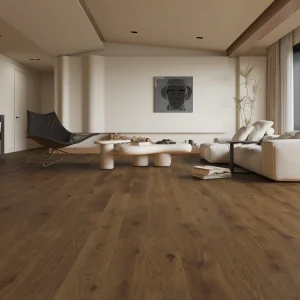
Harvest Oak – Engineered Oak Plank Flooring
Original price was: £44.95.£41.95Current price is: £41.95. / m² ex. VAT Add to cart -
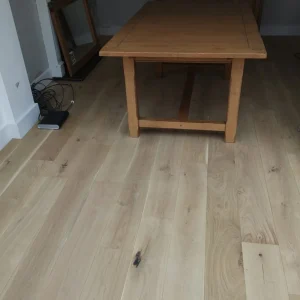
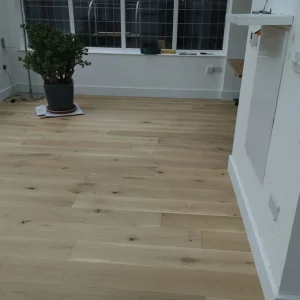
Invisible Light – Engineered Oak Plank Flooring
£47.99 / m² ex. VAT Add to cart -
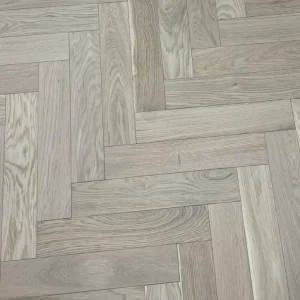
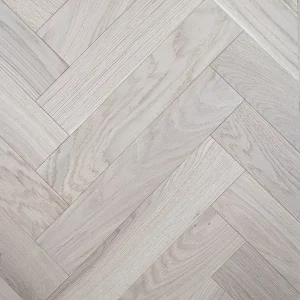
Invisible Oak – Engineered Oak Herringbone Parquet Flooring
£25.99 / m² ex. VAT Add to cart -
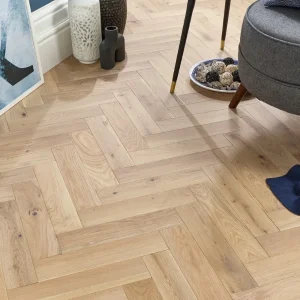
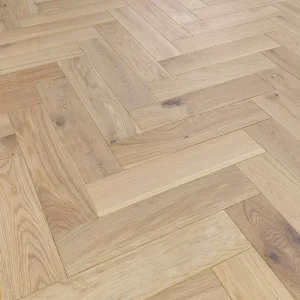
Invisible Oiled – Engineered Oak Herringbone Parquet Flooring
£47.99 / m² ex. VAT Add to cart -
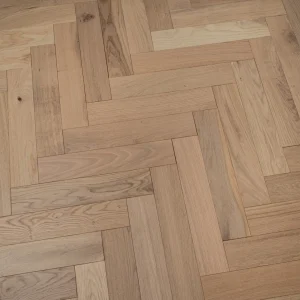
Invisible Soft – Engineered Oak Herringbone Parquet Flooring
£37.49 / m² ex. VAT Add to cart -
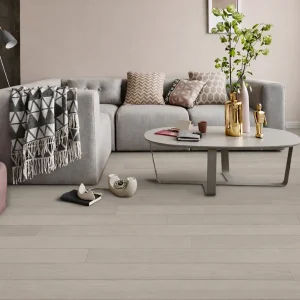
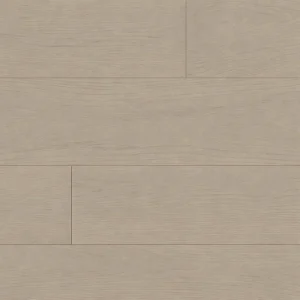
Ivory White – Engineered Oak Plank Flooring
£55.14 / m² ex. VAT Add to cart -
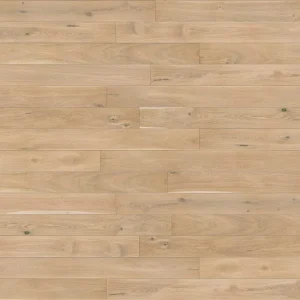
Jetsum Oak – Engineered Oak Plank Flooring
Price on request Request price -
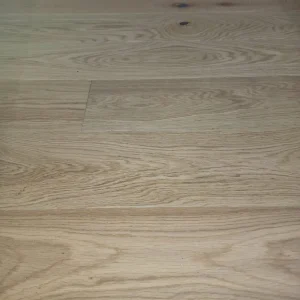
Lambeth Pier – Engineered Oak Plank Flooring
£44.93 / m² ex. VAT Add to cart -
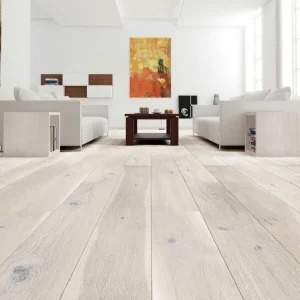
Lichen White Oak – Engineered Oak Plank Flooring
Price on request Request price -
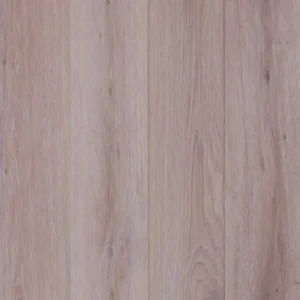
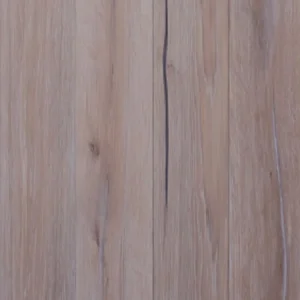
Limed Distressed – Engineered Oak Plank Flooring
£59.99 / m² ex. VAT Add to cart -
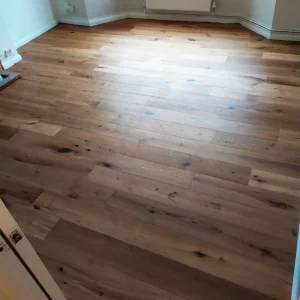
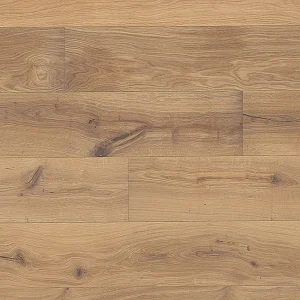
Lion Oak Wharf – Engineered Oak Plank Flooring
£40.32 / m² ex. VAT Add to cart -
 Sale!
Sale!
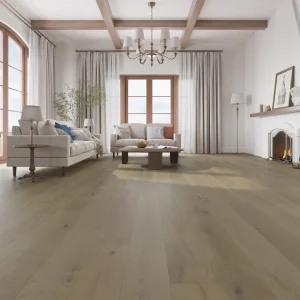
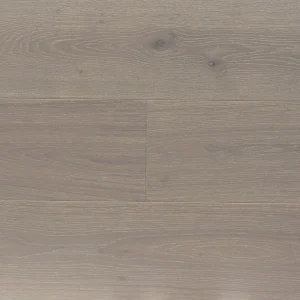
Misted Oak – Engineered Oak Plank Flooring
Original price was: £44.95.£41.95Current price is: £41.95. / m² ex. VAT Add to cart
Oak We Have Laid
Smoked oak herringbone through a whole ground floor in Norwood, wide natural oak through a rear extension in Dulwich, and rustic oak plank in a Honor Oak family house where the brief was a floor that would survive two children and a dog.
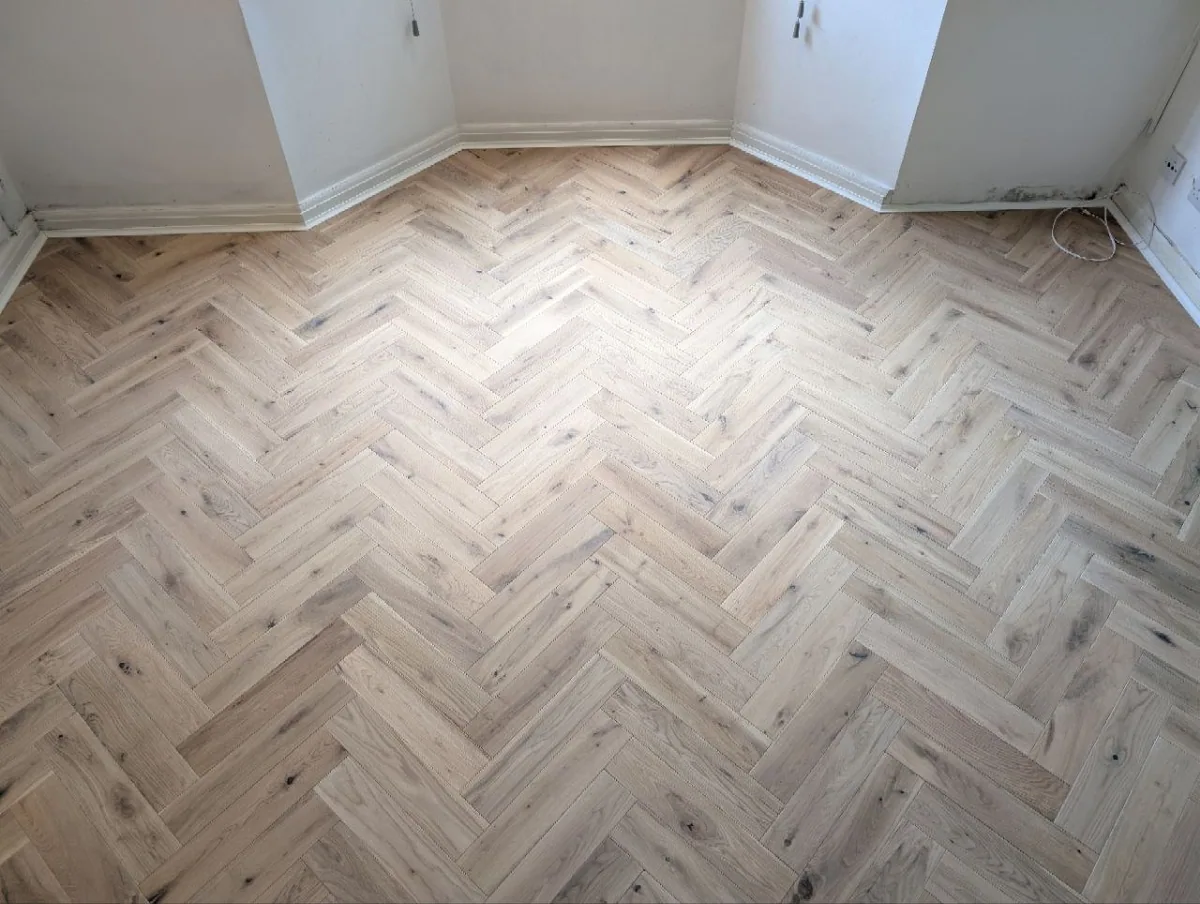
More of these, with photographs, are on our recent work page.
Frequently Asked Questions
Is oak better than other hardwoods for a floor?
For a British house, usually yes — not because it is harder than everything else, but because it is stable, it takes any finish, and every fitter and every restorer knows how to work with it. Walnut is darker and softer; we keep four walnut floors for people who specifically want it.
Can oak flooring go over underfloor heating?
Engineered oak can, and 62 of our floors are approved for it. It is glued down and brought up to temperature slowly over the first week. Solid oak over heating will move, and we would not supply it for that.
How often does an oak floor need refinishing?
An oiled floor wants re-oiling every two to five years depending on traffic, and the job is a maintenance coat rather than a sanding. A lacquered floor needs nothing for years, then a full sand and re-lacquer when the film finally wears through. We stock 80 oiled, 46 lacquered and 4 unfinished.
What grade of oak should I choose?
Rustic for older houses, hallways and anywhere with children or dogs, because knots and movement hide marks. Natural for a calmer room. Select only if you want the floor to look like furniture and will treat it that way.
Do you fit the floors you sell, or supply only?
Both. Our own fitters supply and fit across South East and South London, and the people who measure the job are the people who lay it. We also supply customers who have their own fitters, and will say honestly which parts of a job are worth seeing first.
Can I see the oak before I buy it?
Yes, and we would rather you did. The showroom in Forest Hill lays floors out in full boards rather than sample chips, because a 190 mm board looks nothing like a small square of the same wood. You can also order three samples free and look at them in your own light, morning and evening.
What Our Customers Say
★★★★★
“We had some herringbone flooring fitted recently. It was a great experience from start to finish and we couldn't be more happy with the result. Ruslan is a…”
★★★★★
“Beautiful job, I’m so pleased. Ruslan is very knowledgable, flagged any potential issues early and advised me on what I could preserve from the existing f…”
★★★★★
“I went to visit Wood4Floors to see some samples, and had a super helpful man show me some things and gave me a few full sized samples of herringbone flooring.…”
How do I get a price for an oak floor?
Send your room sizes for a price including waste and fitting, or order free samples and see the grade and the colour in your own rooms before you decide.
Get a Free Quote Order Free Samples