Home / Wood Flooring Grades
Wood Flooring Grades: Rustic, Natural and Select
Grade is not quality. A rustic board is not a second-rate board — it is a board cut from a part of the tree that shows more of what the tree did while it was alive. Knots, sapwood, colour that shifts along the length.
Our range is almost evenly split: 67 rustic and 65 natural, with 2 select. That split is deliberate, because the right grade depends entirely on the room. Supplied on their own or supplied and fitted by our own fitters across South East and South London.
See the range ↓What You Are Actually Choosing Between
Rustic shows knots up to a decent size, sapwood streaks and swings of colour from board to board. Laid down, the floor reads as busy and warm, and no two square metres look the same. It is the grade that looks like a floor in an old house, because that is what old floors were.
| Herringbone | Chevron | |
|---|---|---|
| Block shape | Plain rectangle, cut square | Cut at an angle at both ends |
| How it meets | End to side, stepped | Point to point, continuous V |
| Feel | Traditional, informal, forgiving | Formal, directional, more modern |
| Waste | 10–15% | More — the angled cuts throw away more |
| Cost | Higher than plank | Highest of the three |
| Best in | Almost any room; the safe choice | Long rooms and hallways, where the V has somewhere to go |
Natural keeps the knots small and the colour within a narrower band. It still looks like timber — there is grain and there is variation — but the eye travels across it rather than stopping. Select goes further again: nearly clean, very even, and it looks expensive because it is.
Grade Decides How a Floor Ages
This matters more than how the floor looks on day one, and it is the argument nobody makes in a showroom. A rustic floor hides things: a dropped pan, a dog claw, the dark mark where a radiator pipe drips. They land among knots and colour changes and disappear. Five years in, a rustic hallway still looks like a rustic hallway.
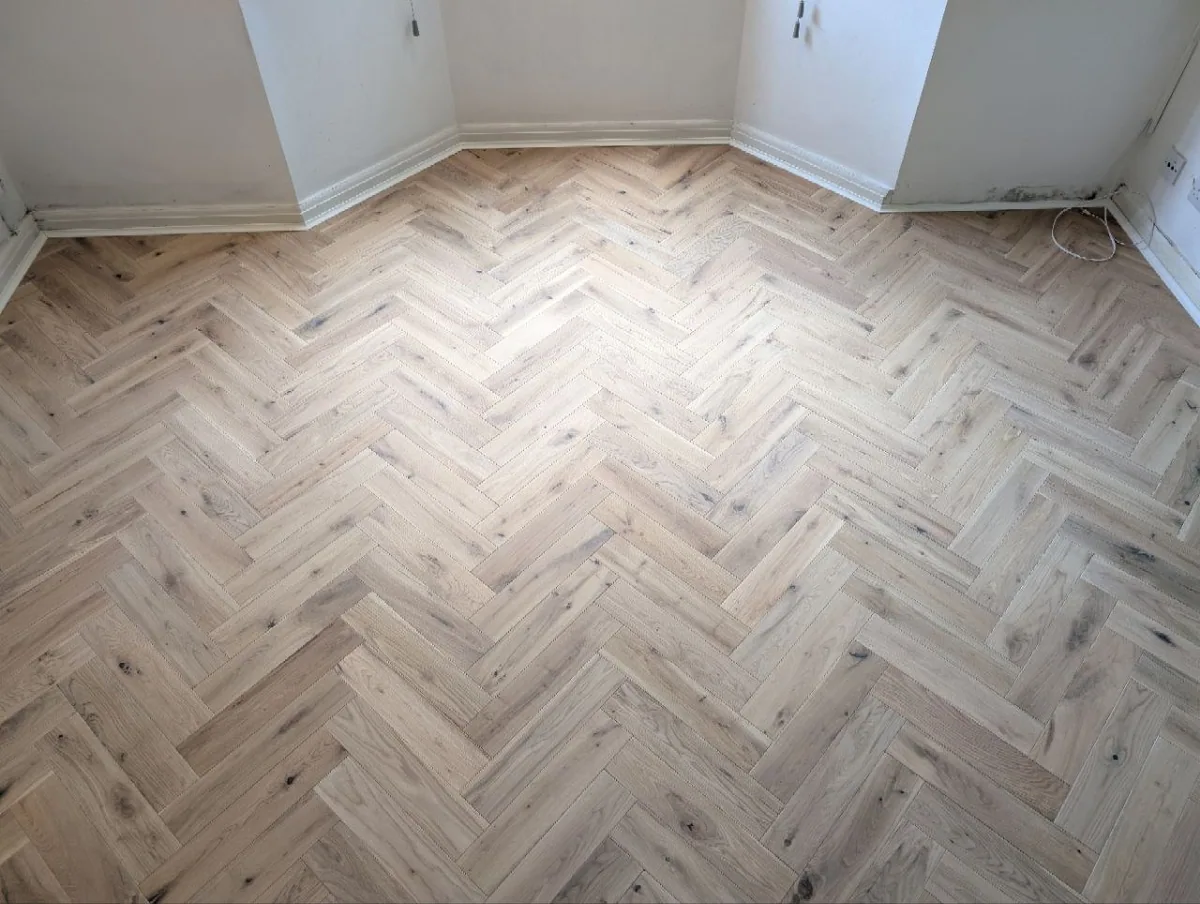
A select floor shows everything. Every scratch has a clean background to sit against, so it reads as damage rather than as character. In a quiet sitting room that is fine. In a hallway with children and a dog it is a slow disappointment, and we would rather say so before you order than after.
Which Grade for Which Room
Hallways, kitchens and anywhere a dog walks: rustic. These rooms take the most punishment and show it first, and rustic absorbs marks into a pattern it already has.
Bedrooms and sitting rooms: natural is usually the better call. The traffic is lighter, so marks matter less, and a calmer floor suits a room you sit still in. In a shop or an office the opposite applies. In a small room natural also stops the floor shouting — knots have less space to spread across, so rustic can read as busy where there is little floor to see.
Mixing grades between rooms works and we do it often: rustic through the hall and kitchen, natural in the bedrooms. What does not work is changing grade part-way through one continuous floor, where the change shows as a line rather than as a choice.
How the Grades Differ in Our Range
Rustic leans heavily towards underfloor heating: 54 of the 67 are approved for it, against only 10 of the 65 natural floors. It also leans oiled, 47 against 18 lacquered, and wide — 36 of the rustic boards are wide against 21 narrow.
Natural splits more evenly: 35 oiled against 29 lacquered, and widths divide equally at 24 wide and 24 narrow. It also carries the wider price range, because the top of our catalogue — the Versailles parquet panels — sits in natural grade.
On price: natural runs from £22.00 to £117.75 per m² excluding VAT with a median of £44.99. The rustic floors we can price sit between £40.32 and £51.00. Worth knowing that 48 of the 67 rustic floors are from V4, whose prices are given on request rather than published — send us the floor and your room sizes and you will have a figure the same day.
Shop by Grade
134 floors across rustic, natural and select, in engineered and solid oak and walnut. Three samples free — and with grade, a sample tells you more than any photograph.
Showing 97–134 of 134 results
-
Smoked Grey – Engineered Oak Herringbone Parquet Flooring
£25.99 / m² ex. VAT Add to cart -
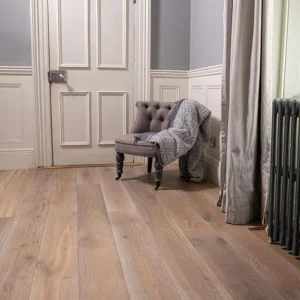
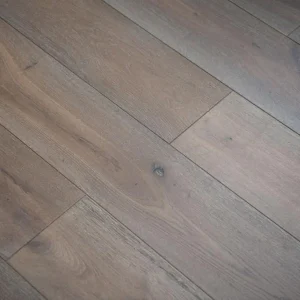
Smoked Grey Wide – Engineered Oak Plank Flooring
£47.99 / m² ex. VAT Add to cart -
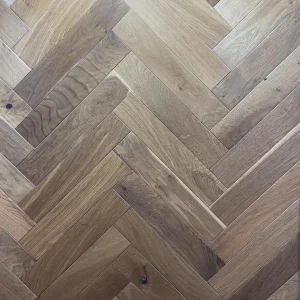
Smoked Heritage – Engineered Oak Herringbone Parquet Flooring
£47.99 / m² ex. VAT Add to cart -
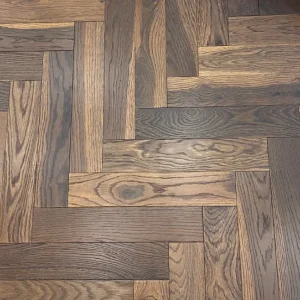
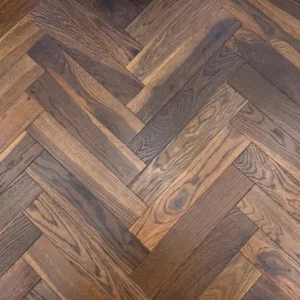
Smoked Natural – Engineered Oak Herringbone Parquet Flooring
£25.99 / m² ex. VAT Add to cart -
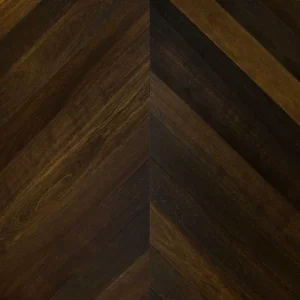
Smoked Oak Chevron – Engineered Oak Chevron Parquet Flooring
Price on request Request price -
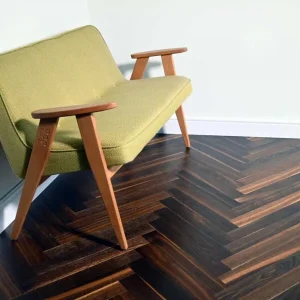
Smoked Oak Herringbone – Engineered Oak Herringbone Parquet Flooring
Price on request Request price -
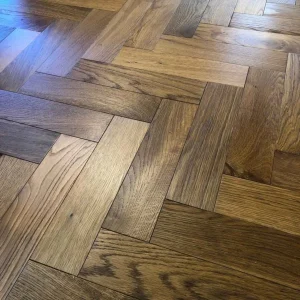
Smoked Oak Herringbone ZB – Engineered Oak Herringbone Parquet Flooring
Price on request Request price -
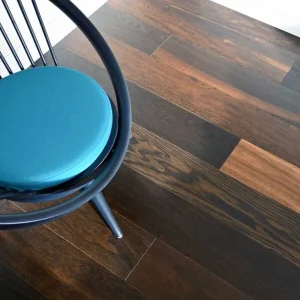
Smoked Oak Plank – Engineered Oak Plank Flooring
Price on request Request price -
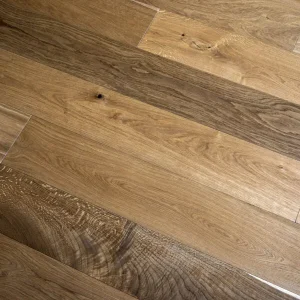
Smoked Rustic Oak – Engineered Oak Plank Flooring
Price on request Request price -
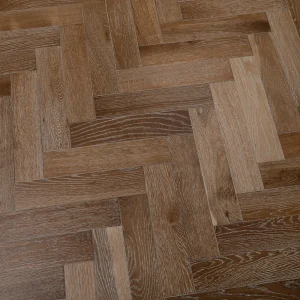
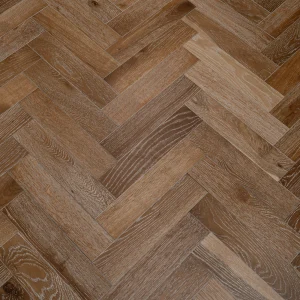
Smoked White – Engineered Oak Herringbone Parquet Flooring
£47.99 / m² ex. VAT Add to cart -
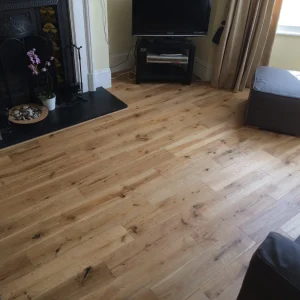
Soft Natural – Engineered Oak Plank Flooring
£38.99 / m² ex. VAT Add to cart -
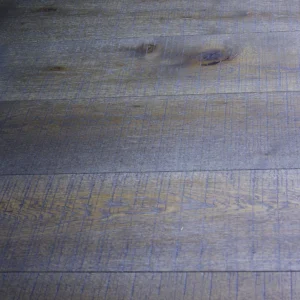
Stag Brewery – Engineered Oak Plank Flooring
£53.90 / m² ex. VAT Add to cart -
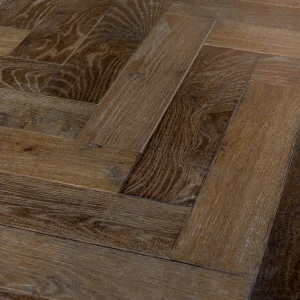
Tannery Brown Herringbone – Engineered Oak Herringbone Parquet Flooring
Price on request Request price -
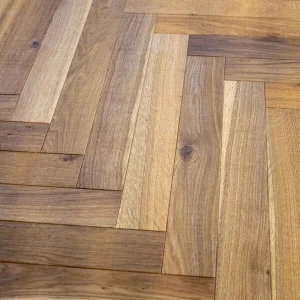
Thermo Cross Sawn Herringbone – Engineered Oak Herringbone Parquet Flooring
Price on request Request price -
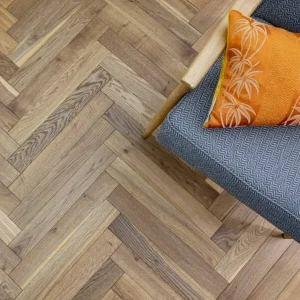
Thermo Oak Herringbone – Engineered Oak Herringbone Parquet Flooring
Price on request Request price -
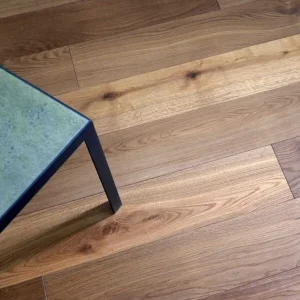
Thermo Oak Plank – Engineered Oak Plank Flooring
Price on request Request price -
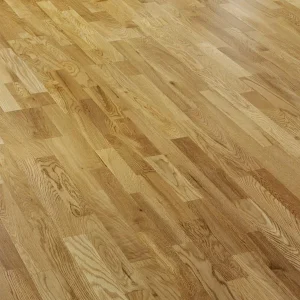
Three Strip Oak – Engineered Oak Plank Flooring
Price on request Request price -
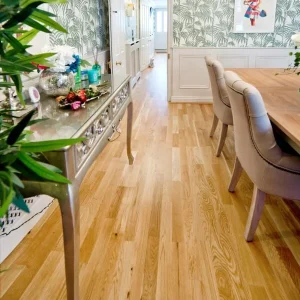
Three Strip Oak Driftwood – Engineered Oak Plank Flooring
Price on request Request price -
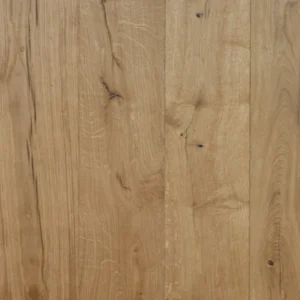
Timberwolf – Engineered Oak Plank Flooring
£56.99 / m² ex. VAT Add to cart -
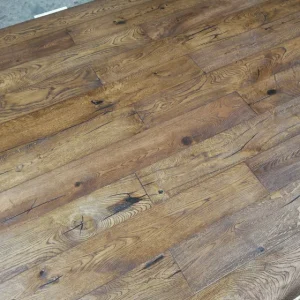
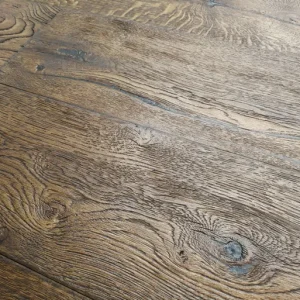
Time Honoured – Engineered Oak Plank Flooring
£47.98 / m² ex. VAT Add to cart -
 Sale!
Sale!
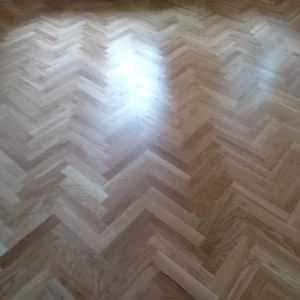
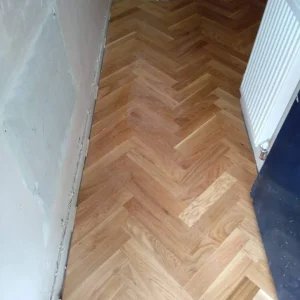
Travers Crown – Engineered Oak Herringbone Parquet Flooring
Original price was: £37.38.£34.50Current price is: £34.50. / m² ex. VAT Add to cart -
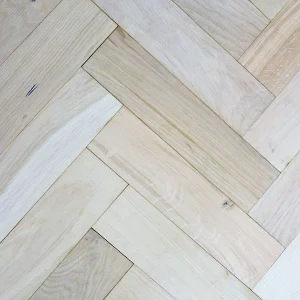
Unfinished Oak Herringbone – Engineered Oak Herringbone Parquet Flooring
Price on request Request price -
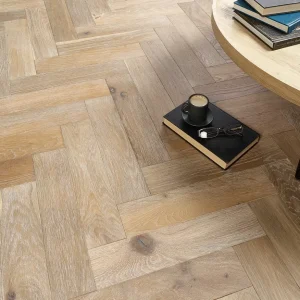
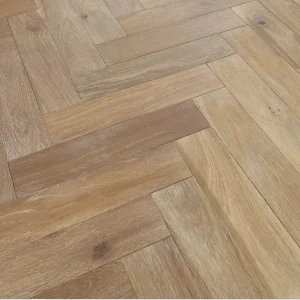
Urban Grey – Engineered Oak Herringbone Parquet Flooring
£47.99 / m² ex. VAT Add to cart -
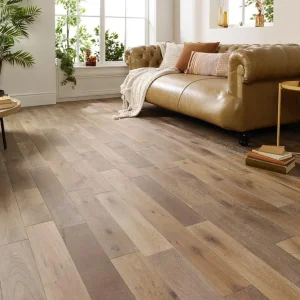
Urban Grey – Engineered Oak Plank Flooring
£37.49 / m² ex. VAT Add to cart -
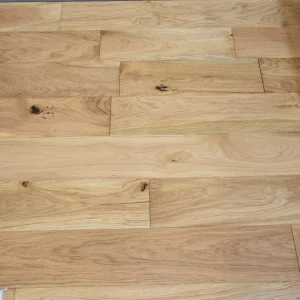 Sale!
Sale!
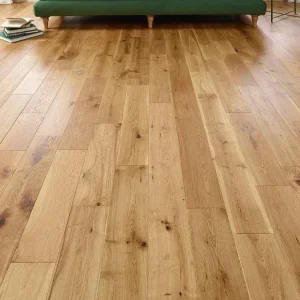
Uveco Wharf – Engineered Oak Plank Flooring
Original price was: £36.75.£30.00Current price is: £30.00. / m² ex. VAT Add to cart -
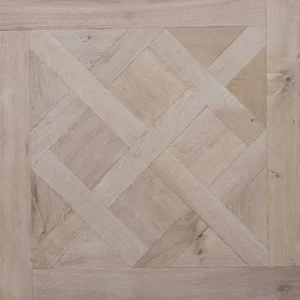
Versailles – Engineered Oak Parquet Flooring
£117.75 / m² ex. VAT Add to cart -
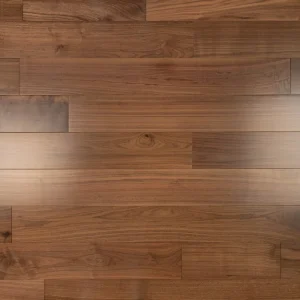
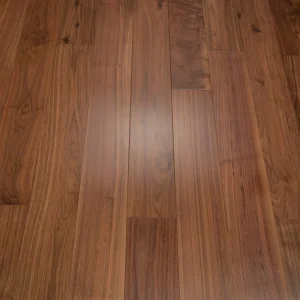
Walnut – Engineered Walnut Plank Flooring
£50.98 / m² ex. VAT Add to cart -
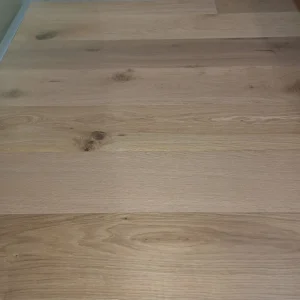
Warm Natural – Engineered Oak Plank Flooring
£44.93 / m² ex. VAT Add to cart -
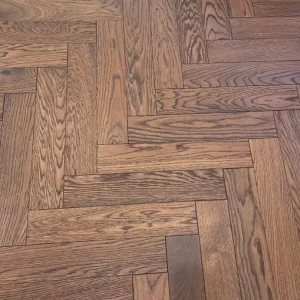
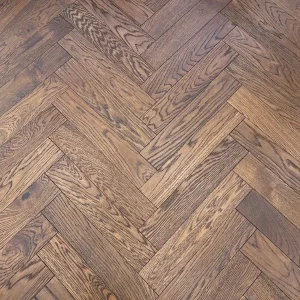
Whiskey Oak – Engineered Oak Herringbone Parquet Flooring
£25.99 / m² ex. VAT Add to cart -
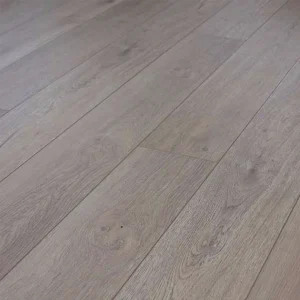
White Hart – Engineered Oak Plank Flooring
£49.49 / m² ex. VAT Add to cart -
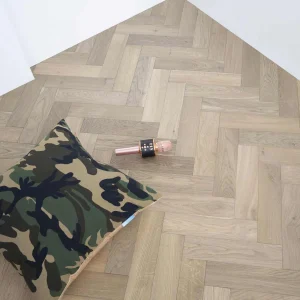
White Smoked Herringbone – Engineered Oak Herringbone Parquet Flooring
Price on request Request price -
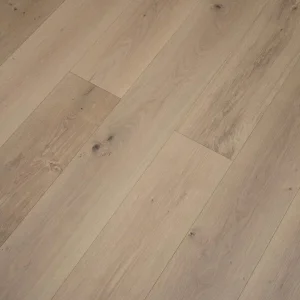
White Smoked Rustic Oak – Engineered Oak Plank Flooring
Price on request Request price -
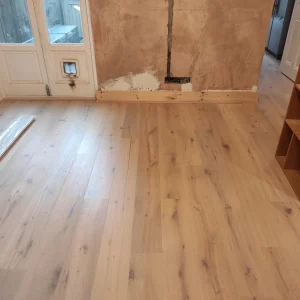
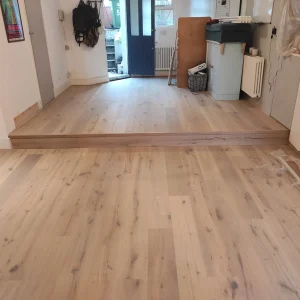
Whitechapel – Engineered Oak Plank Flooring
£49.49 / m² ex. VAT Add to cart -
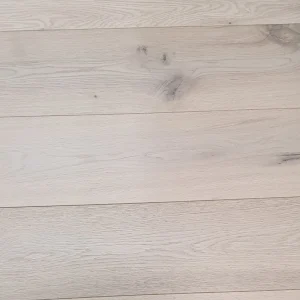

Whiteladies – Engineered Oak Plank Flooring
£47.75 / m² ex. VAT Add to cart -
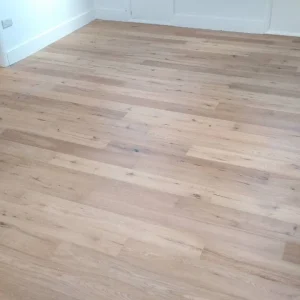
Wide Natural – Engineered Oak Plank Flooring
£67.49 / m² ex. VAT Add to cart -
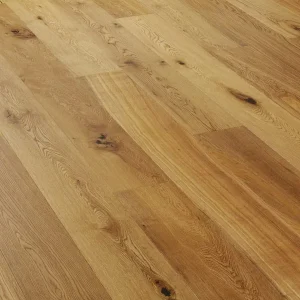
Wide Rustic Brushed & Lacquered Oak – Engineered Oak Plank Flooring
Price on request Request price -
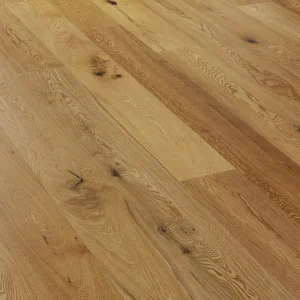
Wide Rustic Oak Lacquered – Engineered Oak Plank Flooring
Price on request Request price -
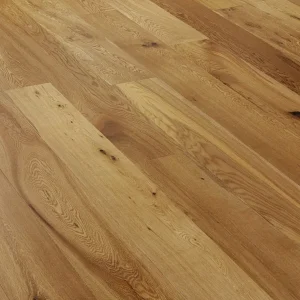
Wide Rustic UV Oiled Oak – Engineered Oak Plank Flooring
Price on request Request price
Grades in Rooms We Have Done
Rustic oak through a Honor Oak family house, chosen because the brief was a floor that would survive two children and a dog without looking punished. Natural oak in a Dulwich extension where the room is calm and the floor was meant to stay in the background.
More of these, with photographs, are on our recent work page.
Frequently Asked Questions
Is rustic grade lower quality than select?
No. Same tree, same manufacturing, same wear layer. Grade describes appearance, not durability. A rustic board and a select board from the same range will last the same number of years and sand the same number of times.
Which grade should I choose for a hallway?
Rustic, almost always. Hallways take the most punishment and show it first, and rustic absorbs marks into the pattern it already has. Select in a hallway is a decision you will regret in year two.
Does grade change the price?
Less than people expect, and not always in the direction you would guess. Our natural floors have both the cheapest and the most expensive boards in the catalogue. Grade affects yield from the log, but wear layer, width and pattern move the price more.
Will a rustic floor look busy in a small room?
It can. In a small room, knots and colour swings have less floor to spread across, so the pattern reads louder. Natural grade in narrow boards is the usual answer for a box bedroom or a small bathroom.
Why do you stock only two select floors?
Because almost nobody in a London house wants to live with one. We keep them for the projects where the floor is meant to be furniture, and we are honest with everyone else about what select does under real feet.
Can I mix grades in one house?
Yes, and it often works: rustic in the hallway and kitchen, natural in the bedrooms. What does not work is mixing grades within one continuous floor, where the change shows as a line rather than as a choice.
What Our Customers Say
★★★★★
“We had some herringbone flooring fitted recently. It was a great experience from start to finish and we couldn't be more happy with the result. Ruslan is a…”
★★★★★
“Beautiful job, I’m so pleased. Ruslan is very knowledgable, flagged any potential issues early and advised me on what I could preserve from the existing f…”
★★★★★
“I went to visit Wood4Floors to see some samples, and had a super helpful man show me some things and gave me a few full sized samples of herringbone flooring.…”
How do I get a price for a floor in a particular grade?
Send your room sizes and say which grade you are leaning towards, or order three free samples and put a rustic and a natural board next to each other on your own floor.
Get a Free Quote Order Free Samples