Home / Bathroom Wood Flooring
Wood Flooring in a Bathroom
We are going to answer this honestly rather than sell you something. In a downstairs cloakroom with a basin and a WC, an engineered wood floor is fine and looks far better than the alternatives. In a family bathroom with a shower over the bath, we would advise against it.
That is not a sales position, it is what we have seen come back. Below is the line between the two situations, why it falls where it does, and what we would suggest instead when wood is the wrong answer.
See the range ↓Where Wood Works, and Where It Does Not
A cloakroom or guest WC has a basin, a cistern and a closed door. There is no standing water, no steam to speak of and no bare wet feet. An engineered board with a lacquered surface handles that as easily as it handles a kitchen, and plenty of our customers have one.
| Herringbone | Chevron | |
|---|---|---|
| Block shape | Plain rectangle, cut square | Cut at an angle at both ends |
| How it meets | End to side, stepped | Point to point, continuous V |
| Feel | Traditional, informal, forgiving | Formal, directional, more modern |
| Waste | 10–15% | More — the angled cuts throw away more |
| Cost | Higher than plank | Highest of the three |
| Best in | Almost any room; the safe choice | Long rooms and hallways, where the V has somewhere to go |
A main bathroom is a different room. A shower throws water onto the floor every day, the air reaches saturation twice a day and then dries out, and someone steps out of the bath onto the boards. Any one of those is survivable. All three, every day, for ten years, is what wears a wood floor out early.
Heating and Ventilation Do More Than the Floor Choice
If you are set on wood in a wet room, two things extend its life more than any upgrade in specification. The first is underfloor heating: it keeps the boards and the air dry between uses, which breaks the wet-dry cycle that does the damage. 64 of our floors are rated for it, and the same 27 °C surface limit applies as anywhere else.
The second is an extractor that actually shifts air. A fan that clears the mirror in two minutes is doing its job; one that leaves the room fogged for half an hour is not, and no floor will survive that for long. If you have to choose where the budget goes, it goes on the fan before it goes on the floor.
Why Humidity Does More Damage Than Splashes
A wiped-up splash is nothing. The damage in a bathroom is done by the cycle: the room goes to near-total humidity during a shower, the boards take up moisture and swell slightly, then the room dries and they shrink back. Repeat that twice a day.
Over time the joints work loose, the edges lift and the finish at the board edges breaks down, because that is where moisture gets in. Engineered construction resists this far better than solid timber — which is why we would never consider one of our 3 solid floors for a bathroom — but it does not make the floor immune.
An extractor fan that genuinely works changes this picture more than any choice of floor. If the mirror clears in two minutes the room is ventilated; if it stays fogged for half an hour, a wood floor will not last and you should spend the money on the fan instead.
If You Are Going Ahead Anyway
Some people want a wood floor in a bathroom knowing the trade-off, and that is a reasonable decision to make with open eyes. If so, the specification matters more here than anywhere: engineered construction, and a lacquered surface rather than oiled, because the sealed film keeps water off the timber. We hold 48 lacquered floors.
Glue it down rather than floating it, so water cannot find its way beneath the boards and sit there. Seal the perimeter and every penetration — around the WC, the pipe to the basin, the bath feet. Those openings, not the open floor, are where the water gets in.
Then treat it as a floor that needs attention: a bath mat that is actually used, a working extractor, and spills dealt with rather than left. Done that way a wood floor in a bathroom lasts; done casually it does not, and we would rather tell you now.
Floors We Would Supply for a Cloakroom
Lacquered engineered oak from £22.00 per m² excluding VAT — the same floors we specify for kitchens, and the only ones we would put in a wet room at all.
Showing all 48 results
-
 Sale!
Sale!
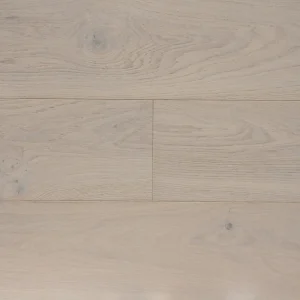
Aspen Oak – Engineered Oak Plank Flooring
Original price was: £44.95.£41.95Current price is: £41.95. / m² ex. VAT Add to cart -
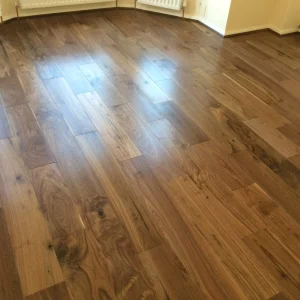
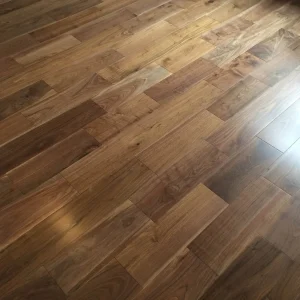
Black American Walnut – Engineered Walnut Plank Flooring
£83.99 / m² ex. VAT Add to cart -
 Sale!
Sale!
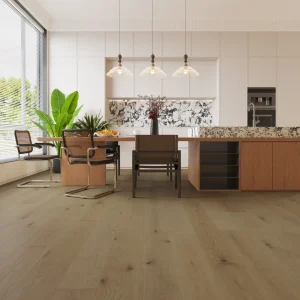
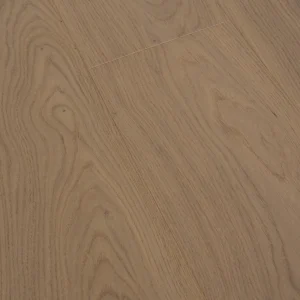
Blonde Oak – Engineered Oak Plank Flooring
Original price was: £44.95.£41.95Current price is: £41.95. / m² ex. VAT Add to cart -
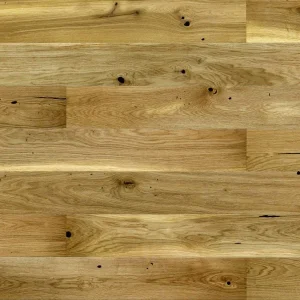
Brushed Oak – Engineered Oak Plank Flooring
Price on request Request price -
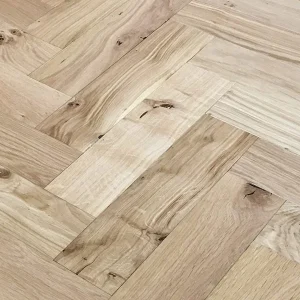
Brushed Oak Herringbone – Engineered Oak Herringbone Parquet Flooring
Price on request Request price -
 Sale!
Sale!
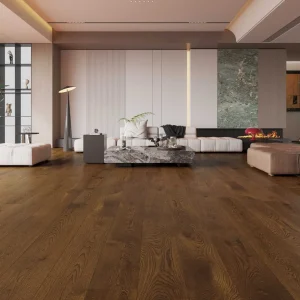
Cognac Oak – Engineered Oak Plank Flooring
Original price was: £44.95.£41.95Current price is: £41.95. / m² ex. VAT Add to cart -
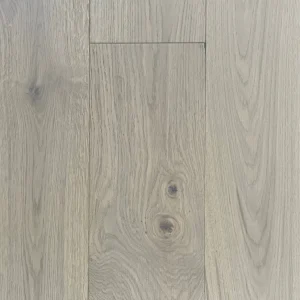
Cool Grey – Engineered Oak Plank Flooring
£49.13 / m² ex. VAT Add to cart -
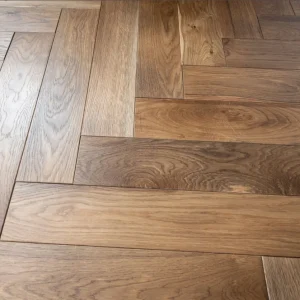
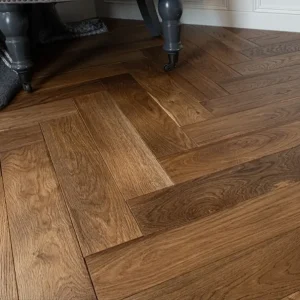
Deep Smoked – Engineered Oak Herringbone Parquet Flooring
£52.49 / m² ex. VAT Add to cart -
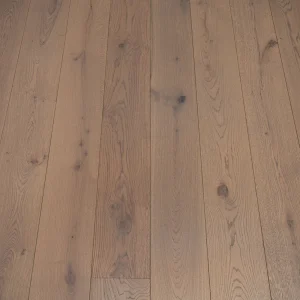
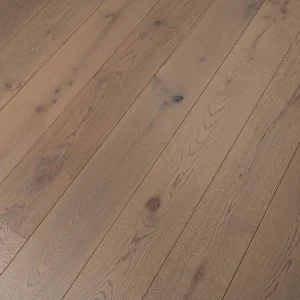
Dove Grey – Engineered Oak Plank Flooring
£42.99 / m² ex. VAT Add to cart -
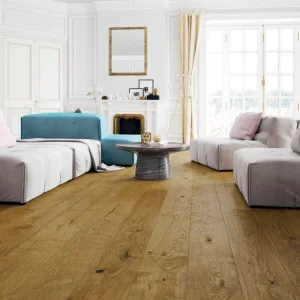
Embered Oak – Engineered Oak Plank Flooring
Price on request Request price -
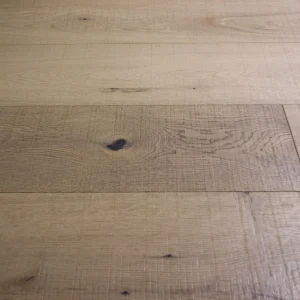
Falcon Draw Dock – Engineered Oak Plank Flooring
£53.90 / m² ex. VAT Add to cart -
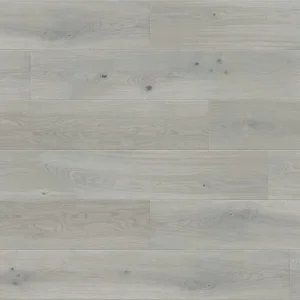
Fjordic Shore – Engineered Oak Plank Flooring
Price on request Request price -
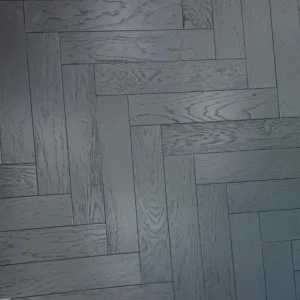
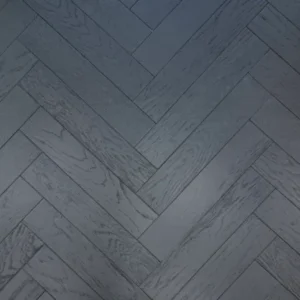
Galaxy Black – Engineered Oak Herringbone Parquet Flooring
£25.99 / m² ex. VAT Add to cart -
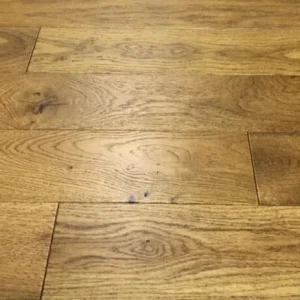
Golden Grain – Engineered Oak Plank Flooring
£37.49 / m² ex. VAT Add to cart -
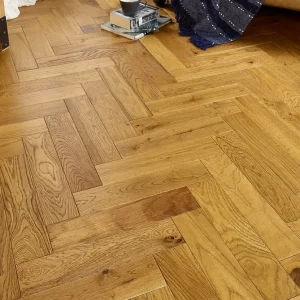
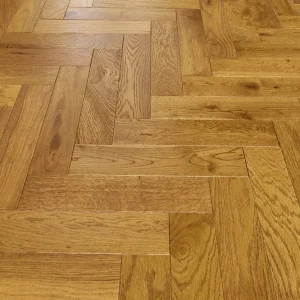
Golden Tone – Engineered Oak Herringbone Parquet Flooring
£47.99 / m² ex. VAT Add to cart -
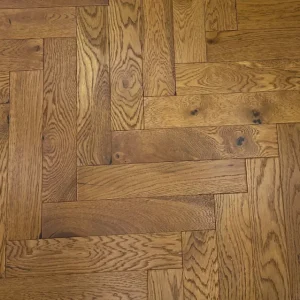
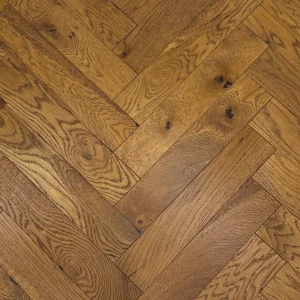
Golden Wheat – Engineered Oak Herringbone Parquet Flooring
£25.99 / m² ex. VAT Add to cart -
Sale!
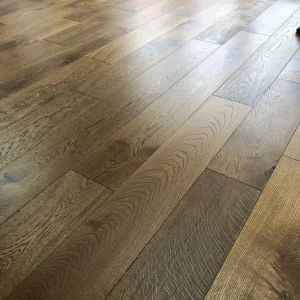
Golden Wide – Engineered Oak Plank Flooring
Original price was: £42.75.£39.20Current price is: £39.20. / m² ex. VAT Add to cart -
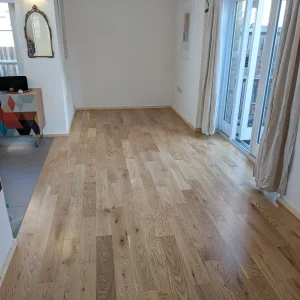
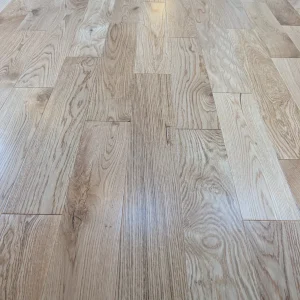
Griffins Wharf – Engineered Oak Plank Flooring
£38.99 / m² ex. VAT Add to cart -
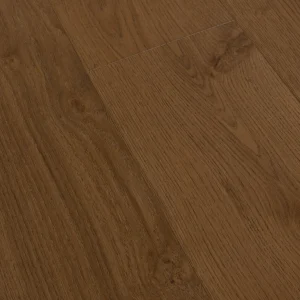 Sale!
Sale!
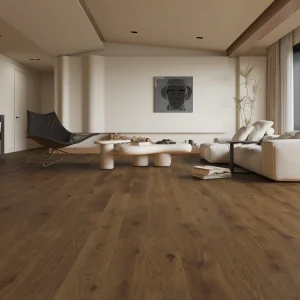
Harvest Oak – Engineered Oak Plank Flooring
Original price was: £44.95.£41.95Current price is: £41.95. / m² ex. VAT Add to cart -
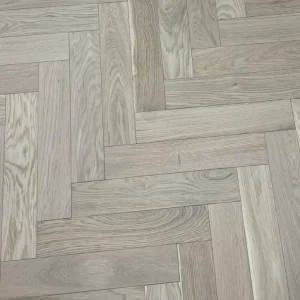
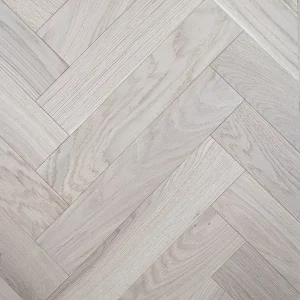
Invisible Oak – Engineered Oak Herringbone Parquet Flooring
£25.99 / m² ex. VAT Add to cart -
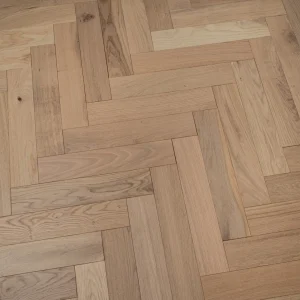
Invisible Soft – Engineered Oak Herringbone Parquet Flooring
£37.49 / m² ex. VAT Add to cart -
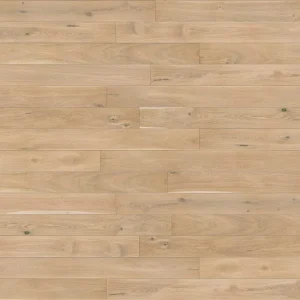
Jetsum Oak – Engineered Oak Plank Flooring
Price on request Request price -
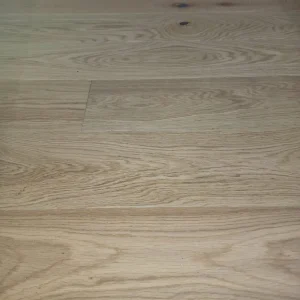
Lambeth Pier – Engineered Oak Plank Flooring
£44.93 / m² ex. VAT Add to cart -
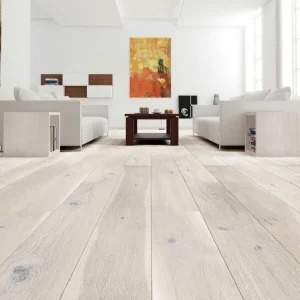
Lichen White Oak – Engineered Oak Plank Flooring
Price on request Request price -
 Sale!
Sale!
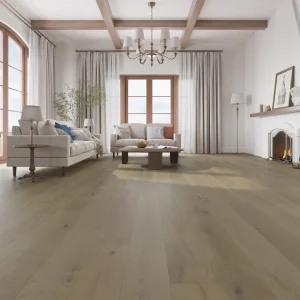
Misted Oak – Engineered Oak Plank Flooring
Original price was: £44.95.£41.95Current price is: £41.95. / m² ex. VAT Add to cart -
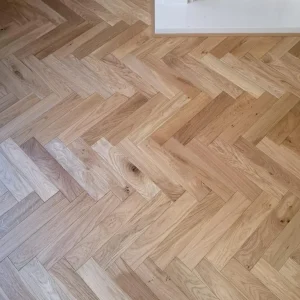
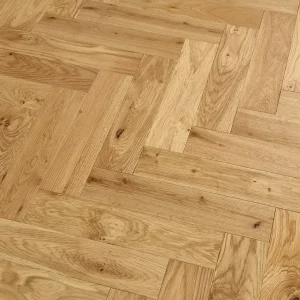
Natural Balance – Engineered Oak Herringbone Parquet Flooring
£47.99 / m² ex. VAT Add to cart -
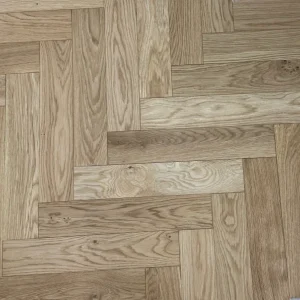
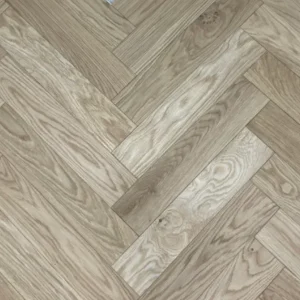
Natural Oak – Engineered Oak Herringbone Parquet Flooring
£25.99 / m² ex. VAT Add to cart -
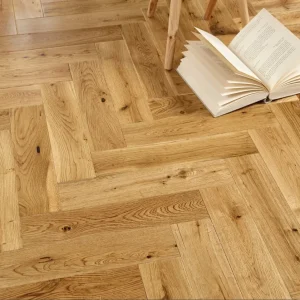
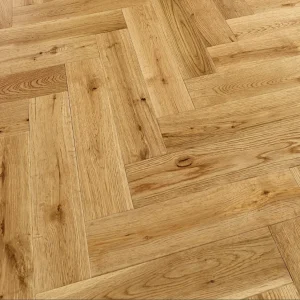
Natural Silk – Engineered Oak Herringbone Parquet Flooring
£47.99 / m² ex. VAT Add to cart -
Natural Soft – Engineered Oak Herringbone Parquet Flooring
£40.49 / m² ex. VAT Add to cart -
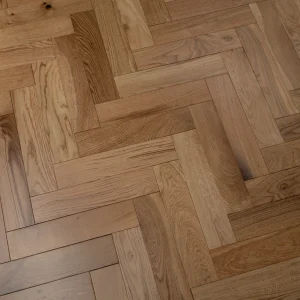
Natural Vibrant – Engineered Oak Herringbone Parquet Flooring
£44.99 / m² ex. VAT Add to cart -
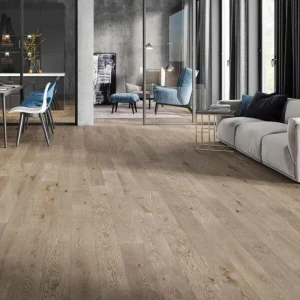
Pebble Grey Oak – Engineered Oak Plank Flooring
Price on request Request price -
 Sale!
Sale!
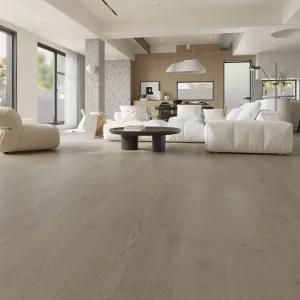
Platinum Oak – Engineered Oak Plank Flooring
Original price was: £44.96.£41.95Current price is: £41.95. / m² ex. VAT Add to cart -
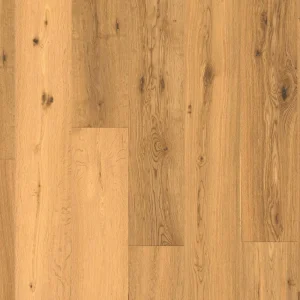
Pure Solid – Solid Oak Plank Flooring
£52.49 / m² ex. VAT Add to cart -
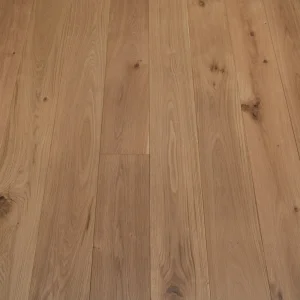
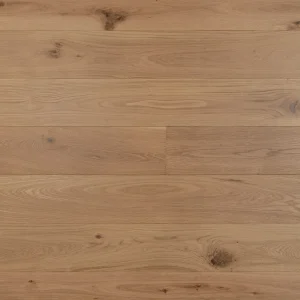
Rustic Brushed – Engineered Oak Plank Flooring
£43.49 / m² ex. VAT Add to cart -
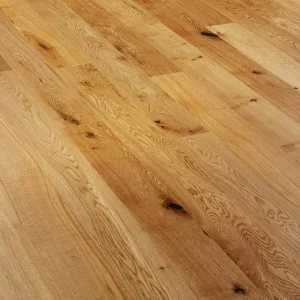
Rustic Brushed & Lacquered Oak – Engineered Oak Plank Flooring
Price on request Request price -
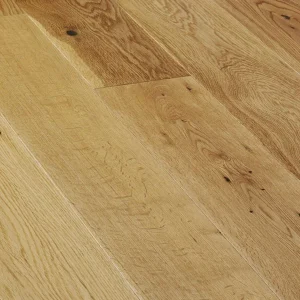
Rustic Oak Lacquered Petit – Engineered Oak Plank Flooring
Price on request Request price -
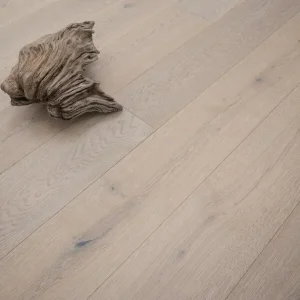
Shore Drift – Engineered Oak Plank Flooring
Price on request Request price -
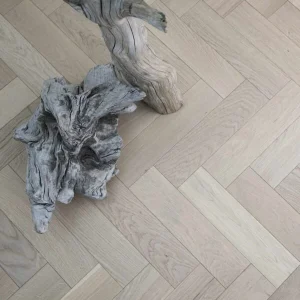
Shore Drift Herringbone – Engineered Oak Herringbone Parquet Flooring
Price on request Request price -

Silver Sands – Engineered Oak Plank Flooring
Price on request Request price -
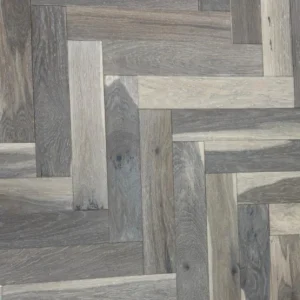
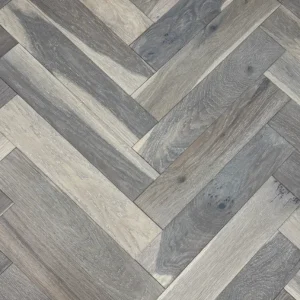
Smoked Grey – Engineered Oak Herringbone Parquet Flooring
£25.99 / m² ex. VAT Add to cart -
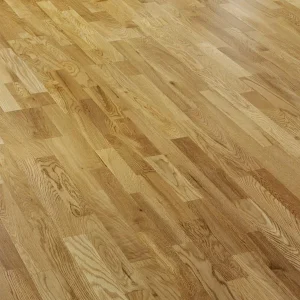
Three Strip Oak – Engineered Oak Plank Flooring
Price on request Request price -
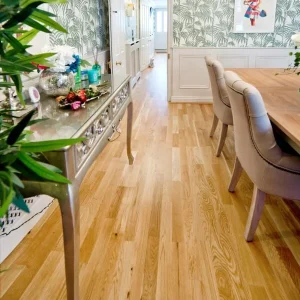
Three Strip Oak Driftwood – Engineered Oak Plank Flooring
Price on request Request price -
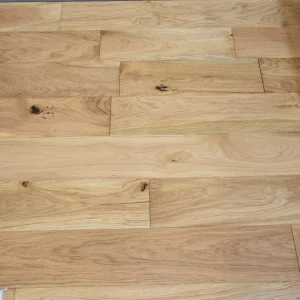 Sale!
Sale!
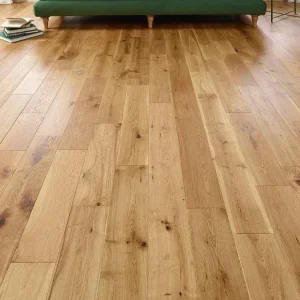
Uveco Wharf – Engineered Oak Plank Flooring
Original price was: £36.75.£30.00Current price is: £30.00. / m² ex. VAT Add to cart -
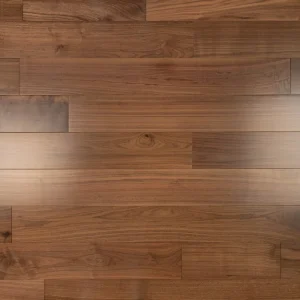
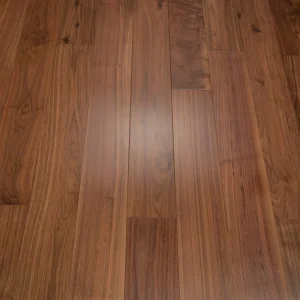
Walnut – Engineered Walnut Plank Flooring
£50.98 / m² ex. VAT Add to cart -
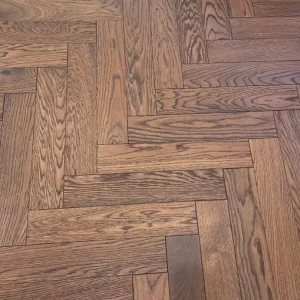
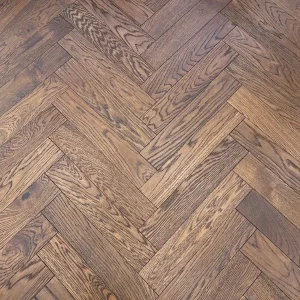
Whiskey Oak – Engineered Oak Herringbone Parquet Flooring
£25.99 / m² ex. VAT Add to cart -
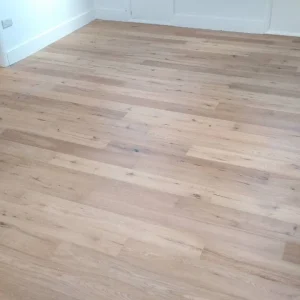
Wide Natural – Engineered Oak Plank Flooring
£67.49 / m² ex. VAT Add to cart -
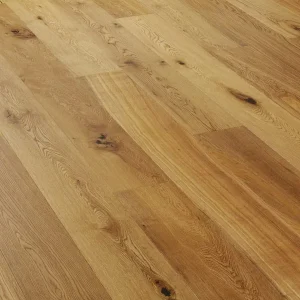
Wide Rustic Brushed & Lacquered Oak – Engineered Oak Plank Flooring
Price on request Request price -
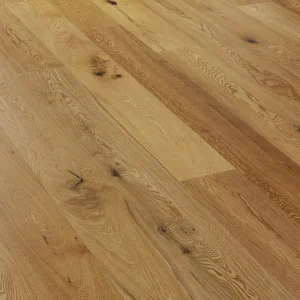
Wide Rustic Oak Lacquered – Engineered Oak Plank Flooring
Price on request Request price
What We Suggest Instead
For a main bathroom we would point you at a tile or a quality vinyl, which we do not sell — so there is nothing in it for us in saying so. If you want the look of oak through the whole upstairs, a sensible compromise is wood everywhere else and a different floor in the bathroom alone.
If you are weighing up a kitchen floor at the same time, our kitchen page covers the same questions in a room where the answer is a clear yes.
Frequently Asked Questions
Can you put wood flooring in a bathroom?
In a cloakroom or guest WC, yes, and it works well. In a main bathroom with a shower, we advise against it — not because it will fail immediately, but because the daily humidity cycle shortens its life considerably.
Is engineered wood waterproof?
No, and nobody should tell you it is. Engineered construction is dimensionally stable, which means it copes with humidity changes far better than solid timber. That is not the same as being waterproof, and we do not stock a waterproof wood floor.
Lacquered or oiled for a bathroom?
Lacquered, clearly. The lacquer is a sealed film that keeps water off the wood. An oiled floor is breathable, which is a virtue in a living room and a liability in a wet room.
Should it be glued or floating?
Glued. A floating floor has a void beneath it, and water that finds its way in sits there and is not noticed until the boards lift. Gluing removes the void and the perimeter can be sealed properly.
What about underfloor heating in a bathroom?
It helps, because it keeps the floor and the room dry between uses, and 64 of our floors are rated for it. The same 27 °C surface limit applies. Heating plus a working extractor is the combination that makes a wood bathroom floor viable.
What goes wrong first?
The board edges and the joints, and it starts at the places where water gets underneath — around the WC pan, at the bath, at the door threshold. That is why sealing the penetrations matters more than the floor specification.
What Our Customers Say
★★★★★
“We had some herringbone flooring fitted recently. It was a great experience from start to finish and we couldn't be more happy with the result. Ruslan is a…”
★★★★★
“Beautiful job, I’m so pleased. Ruslan is very knowledgable, flagged any potential issues early and advised me on what I could preserve from the existing f…”
★★★★★
“I went to visit Wood4Floors to see some samples, and had a super helpful man show me some things and gave me a few full sized samples of herringbone flooring.…”
Not sure which way to go?
Tell us the room, whether there is a shower, and how good the ventilation is, and we will tell you straight whether we would fit a wood floor in it. If the answer is no we will say so. Samples are free either way.
Get a Free Quote Order Free Samples