
Home / Soundproofing Wood Floors
Soundproofing a Wood Floor
Wood is hard, and hard surfaces make noise travel. If you live in a flat, work above someone, or simply do not want to hear every footstep from the landing, the underlay matters as much as the floor you put on top of it.
There are two different noise problems and they need different answers, which is why people buy the wrong product and are disappointed. Below is what each one actually is, and what we stock to deal with it.
See the range ↓Two Kinds of Noise, Two Different Fixes
Impact noise is the thud of a footstep, a dropped toy or a chair leg travelling down through the structure to the room below. It is the complaint that leaseholders and managing agents care about, and it is fixed by putting something resilient between the floor and the subfloor so the energy is absorbed rather than transmitted.
| Herringbone | Chevron | |
|---|---|---|
| Block shape | Plain rectangle, cut square | Cut at an angle at both ends |
| How it meets | End to side, stepped | Point to point, continuous V |
| Feel | Traditional, informal, forgiving | Formal, directional, more modern |
| Waste | 10–15% | More — the angled cuts throw away more |
| Cost | Higher than plank | Highest of the three |
| Best in | Almost any room; the safe choice | Long rooms and hallways, where the V has somewhere to go |
Airborne noise is voices, television and music travelling through the air and then through the floor. An underlay helps a little, but airborne sound is mostly a job for mass — the weight of the structure itself. No underlay will stop you hearing a conversation through a thin ceiling, and anyone who tells you otherwise is selling.
What We Stock, and What Each One Is For
Our 5 mm acoustic underlay at £8.29 per m² is the one to use where impact noise is the concern. It is thicker and more resilient than a general-purpose underlay, which is exactly what absorbing footfall requires.
For a floating floor over concrete we also hold a 3 mm underlay with a damp-proof membrane bonded to it at £5.00 per m², which handles moisture and a degree of sound in one layer, and plain polyethylene foam at £1.40 — the budget option, which does very little for noise and is there to let the floor move, not to quieten it. Over underfloor heating the choice narrows, because an acoustic underlay is an insulator and insulation is the opposite of what heating wants. Our £4.71 underfloor-heating underlay is the compromise, and it is a genuine compromise: you cannot have maximum heat transfer and maximum sound absorption in the same layer.
Leasehold Flats: Read Your Lease First
Most London leases for flats above ground floor contain a clause about floor coverings, and a good many of them require carpet or set a minimum acoustic performance before you are allowed to lay a hard floor. Some require the freeholder’s written consent.
We mention this because it is the single most common way a wood floor in a flat goes wrong, and it goes wrong after the floor is laid, which is the expensive moment to find out. Check the clause before you order, and if a performance figure is specified, send it to us so we can get the manufacturer’s test data for the build-up you are planning.
We do not test floors ourselves and we will not quote a decibel figure for a build-up we have not had tested — the number has to come from the manufacturer, with the specific underlay, floor and subfloor it was measured on.
Floating or Glued: It Changes the Sound
A floating floor sits on the underlay and is not fixed down, so the resilient layer can do its work. That is the better arrangement for impact noise, and it is how most flats should be done.
A glued-down floor is bonded directly to the subfloor. It feels more solid underfoot and it is the right choice over underfloor heating, but it couples the floor to the structure and transmits more impact noise. There are acoustic adhesives and acoustic mats made for this situation if a glued floor is unavoidable.
The other thing that matters, and costs nothing, is the perimeter. If the boards touch the wall anywhere, sound bridges straight into the structure and the underlay beneath is wasted. A proper expansion gap and a resilient edge strip are not optional details.
Shop Underlay and Acoustic Products
Acoustic underlay from £8.29 per m², general underlay from £1.40, plus membranes, tapes and adhesives. Tell us the room and we will specify the build-up.
Showing all 14 results
-
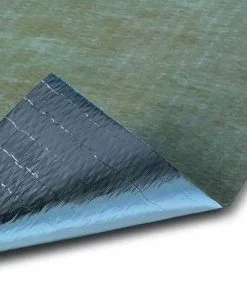
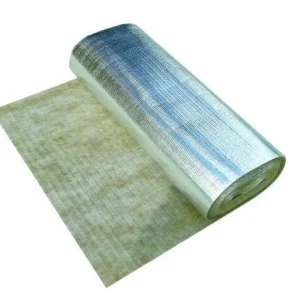
3mm Underlay with dpm
£5.00 / m² ex. VAT Add to cart -
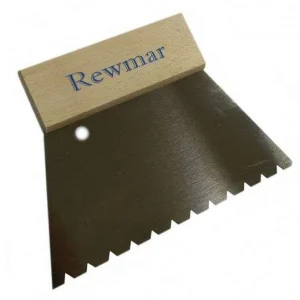
6mm V-Notched Trowel
£6.99 ex. VAT Add to cart -
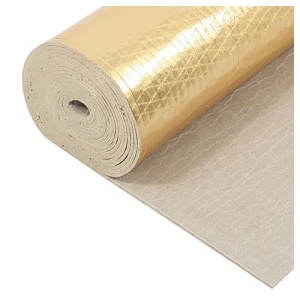
Acoustic Underlay 5mm
£8.29 / m² ex. VAT Add to cart -
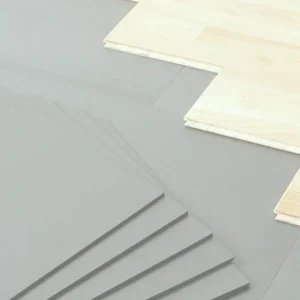
Cold Floors – TechniBoard – Underlay Boards
£3.13 / m² ex. VAT Add to cart -
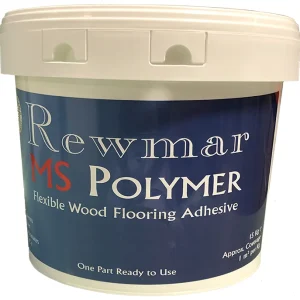
Flexible Flooring Adhesive (Trowel Applied) 15kg
£84.95 ex. VAT Add to cart -

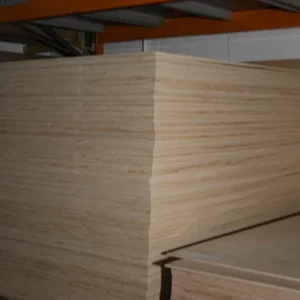
High grade 5.5mm fsc Plywood for professional flooring fitters
£13.20 ex. VAT Add to cart -

Polyethylene Foam Underlay
£1.40 / m² ex. VAT Add to cart -
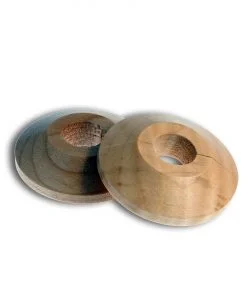
Roses for 15mm Radiator Pipes
£5.50 ex. VAT Add to cart -
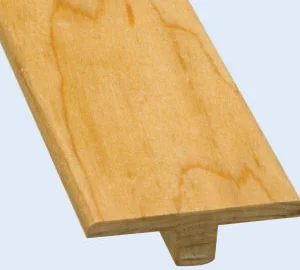
Solid T-Bar (Threshold Bar)
£17.00 ex. VAT Add to cart -
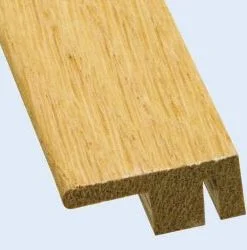
Solid L-Bar (Edge bar)
£17.00 ex. VAT Add to cart -
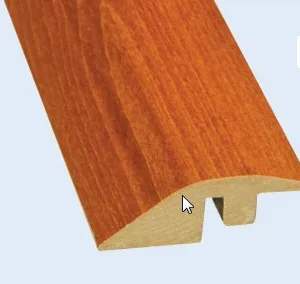
Solid R-Bar (Reducer Bar)
£17.00 ex. VAT Add to cart -

Underlay For Underfloor Heating
£4.71 / m² ex. VAT Add to cart -
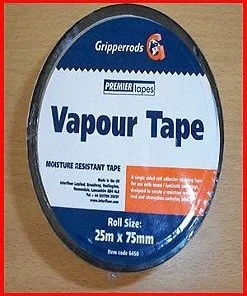
Vapour Tape 25m
£5.99 ex. VAT Add to cart -

White MDF Scotia
£4.05 ex. VAT Add to cart
Quiet Floors We Have Fitted
Engineered oak floating on acoustic underlay through a Forest Hill first-floor flat, where the lease required it. A glued oak floor over heating in a Dulwich extension, with an acoustic mat under the adhesive.
More of these, with photographs, are on our recent work page.
Frequently Asked Questions
Will acoustic underlay stop my neighbours hearing me?
It will substantially reduce the thud of footsteps, which is the complaint people actually make. It will do much less for voices and music, because airborne sound needs mass rather than resilience. Be clear about which problem you are solving.
How thick should acoustic underlay be?
Our 5 mm acoustic underlay is the one we recommend where impact noise matters. Thicker is generally better for sound, but it raises the floor height and softens the feel underfoot, and above a certain point it works against the stability of the floor.
Can I use acoustic underlay over underfloor heating?
Not the thick acoustic type — it insulates, and that is the opposite of what you want. Use our £4.71 underfloor-heating underlay instead, and accept that you are trading some sound performance for heat output. The two goals genuinely conflict.
Does my lease allow a wood floor?
That depends entirely on your lease, and you need to read the floor coverings clause before ordering. Many London flat leases require carpet or a specified acoustic performance. If yours sets a figure, send it to us and we will get the test data.
Is a thicker floor quieter?
A little, because mass helps, but far less than the underlay and the method of installation. A 14 mm board floating on good acoustic underlay will outperform a 20 mm board glued straight to a concrete slab.
What about the gap at the walls?
Leave it, and keep it clear. Any point where the boards touch masonry is a bridge that carries sound into the structure and defeats the underlay. It also lets the floor expand, so the gap is doing two jobs at once.
What Our Customers Say
★★★★★
“We had some herringbone flooring fitted recently. It was a great experience from start to finish and we couldn't be more happy with the result. Ruslan is a…”
★★★★★
“Beautiful job, I’m so pleased. Ruslan is very knowledgable, flagged any potential issues early and advised me on what I could preserve from the existing f…”
★★★★★
“I went to visit Wood4Floors to see some samples, and had a super helpful man show me some things and gave me a few full sized samples of herringbone flooring.…”
How do we specify the right build-up?
Tell us the room, the floor below, whether there is heating in the screed and what your lease requires. We will specify the underlay and the method, and get manufacturer test data where a figure has to be met. Samples are free.
Get a Free Quote Order Free Samples