Home / Engineered Wood Flooring
Engineered Wood Flooring
Engineered wood is a real timber floor: a solid oak or walnut wear layer bonded to a cross-grained plywood core. The surface you walk on, sand and refinish is the same wood as a solid floor. The core is what stops it moving with London’s humidity and what lets it sit over underfloor heating.
It is not laminate, and it is not vinyl — neither of those contains any wood on the surface. We supply and fit engineered floors across South East and South London. 130 floors below, priced from £25.99 per m² excluding VAT.
See the range ↓How to Compare Two Engineered Floors
Two floors that look identical in a photograph can differ by a factor of three in how long they last. These are the five things worth asking about, roughly in order of how much they matter.
| What to ask | Why it matters | What to look for |
|---|---|---|
| Wear layer | The only part that can ever be sanded. It decides whether the floor is repairable or disposable | 3 mm sands once, 4 mm twice, 6 mm three or four times |
| Core | Cheap cores swell if they ever get wet and can delaminate | Multi-ply birch or poplar; avoid HDF cores in a kitchen |
| Finish | Decides how much work the floor asks of you | Lacquer: least upkeep. Oil: repairable in patches, needs re-oiling |
| Grade | Changes the look completely at the same price point | Prime: even, few knots. Rustic: knots, sapwood, character — usually cheaper |
| Width | Wide boards suit big rooms and strong daylight; narrow suits small rooms | 150–190 mm is the common range; 220 mm+ reads as a statement |
If a quote does not state the wear layer in millimetres, ask before comparing prices. A floor at £35 with 2 mm and a floor at £55 with 6 mm are not the same purchase: one is a consumable, the other is an asset you can sand twice.
Should I choose engineered or solid wood flooring?
For most London houses the answer is engineered, and not because it is cheaper. Timber expands and contracts across the grain as humidity changes; a typical house swings from 60% in summer to 30% with the heating on. A solid board answers that by cupping and gapping. An engineered board has its core layers glued at right angles to each other, so the movement of one layer is held by the next.
That matters most in two places: over a concrete slab, where ground-floor moisture is a fact of life, and over underfloor heating, where solid wood should simply not be used. It also means engineered boards can be made much wider than solid ones without risk.
Solid wood still wins where a floor will be sanded many times over a lifetime, in a period house on joists with no heating underneath. If you are restoring rather than building, it is worth considering.
Plank, Herringbone or Chevron
All three are engineered floors; the difference is how the boards are set. Plank is long boards laid in rows — the quietest and cheapest to fit. Herringbone is short blocks at right angles, stepped; it costs more to lay and needs 10–15% extra material. Chevron is angled blocks meeting point to point, the most formal and the most expensive. Herringbone and chevron are both forms of parquet.
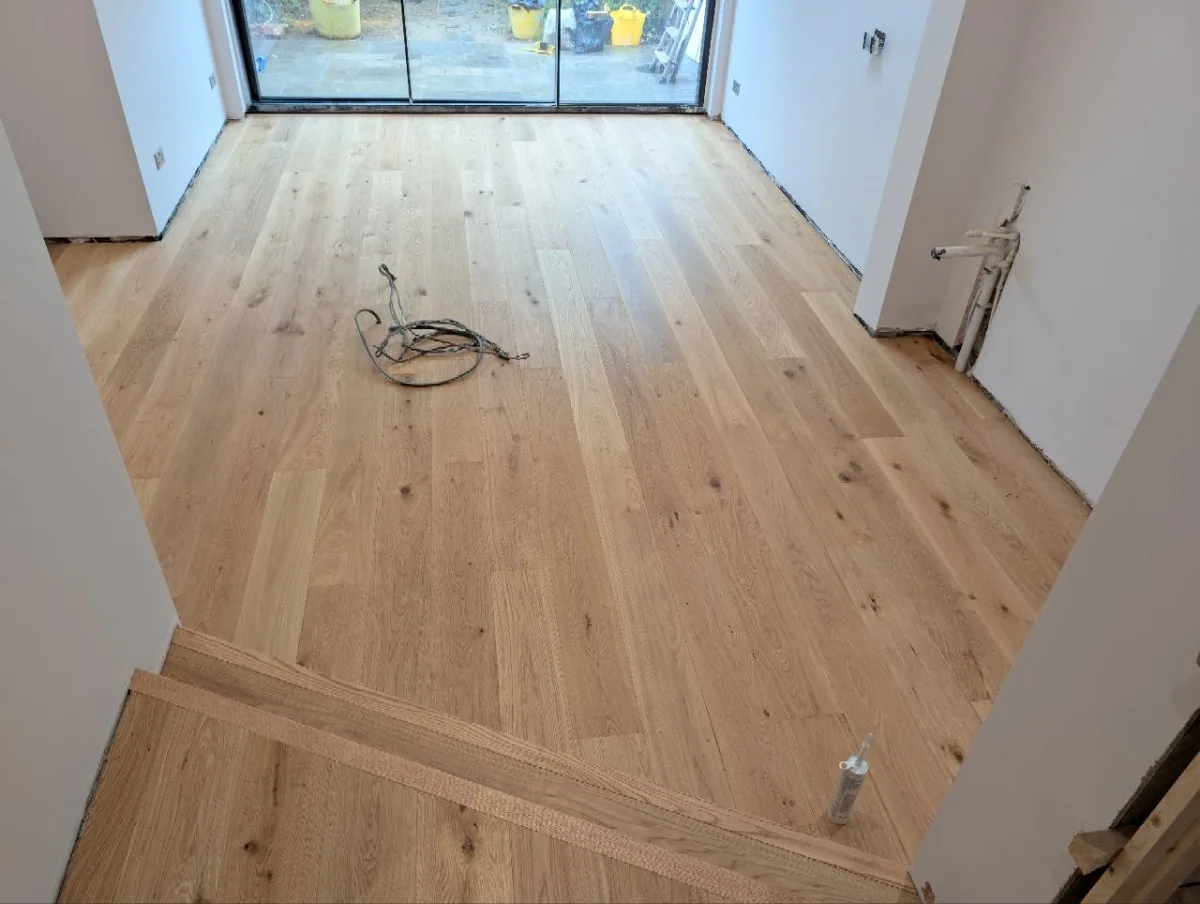
One practical point about width: a wall of glass at one end of a room throws light across the floor at a low angle, and that light finds every joint. Fewer and wider boards mean fewer lines for it to pick out.
Fitting and Underfloor Heating
Engineered plank can be floated on an underlay, glued down or secret-nailed, and the subfloor decides which. Over concrete it is normally glued or floated with a damp-proof membrane beneath; over joists or an existing timber floor it is secret-nailed or floated. Herringbone and chevron are always glued.
Over underfloor heating: engineered only, glued down for the best heat transfer, and brought up to temperature gradually over the first week rather than all at once. Tell us the heating is there before you choose a floor, not after — it narrows the sensible choices.
The whole sequence, including moisture readings and expansion gaps, is in our guide to installing engineered floors. We fit across South East London — see how we work or recent jobs in Dulwich and Norwood.
Prices
130 engineered floors, of which 82 are priced online between £25.99 and £83.99 per m² excluding VAT, with a median of £47.99. The rest are premium ranges quoted on request, because their price depends on quantity.
Two ways to spend less without buying a worse floor: choose a rustic grade rather than a prime one — the same timber, sorted differently, at a lower price — and check the clearance floors, currently 11 from £36.49. What we would not recommend is saving by taking a thinner wear layer; that is the one number you cannot change later.
Shop Engineered Wood Flooring
130 floors in oak and walnut — plank, herringbone and chevron — from £25.99 per m² excluding VAT.
Showing 49–96 of 130 results
-
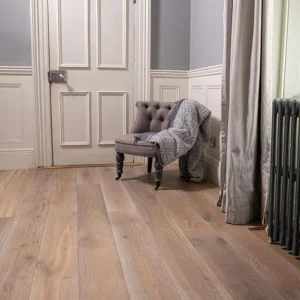
Golden Handscraped – Engineered Oak Plank Flooring
£47.99 / m² ex. VAT Add to cart -
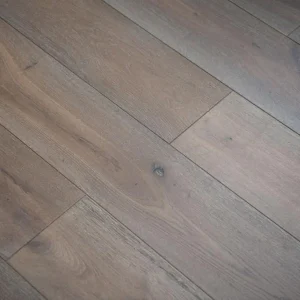
Smoked Grey Wide – Engineered Oak Plank Flooring
£47.99 / m² ex. VAT Add to cart -
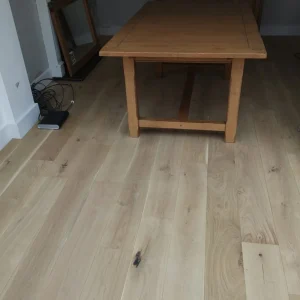
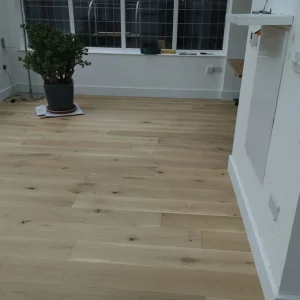
Invisible Light – Engineered Oak Plank Flooring
£47.99 / m² ex. VAT Add to cart -
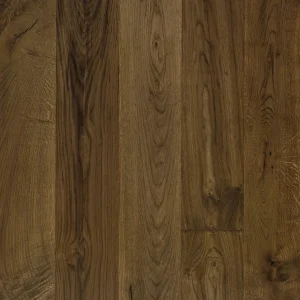
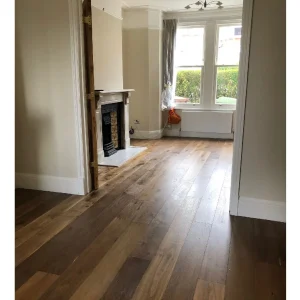
Deep Smoked – Engineered Oak Plank Flooring
£47.99 / m² ex. VAT Add to cart -

Old Swan Wharf – Engineered Oak Plank Flooring
£48.71 / m² ex. VAT Add to cart -
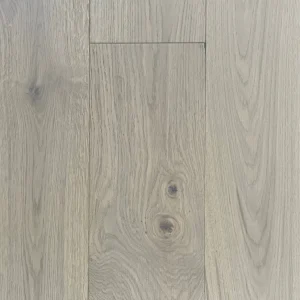
Cool Grey – Engineered Oak Plank Flooring
£49.13 / m² ex. VAT Add to cart -
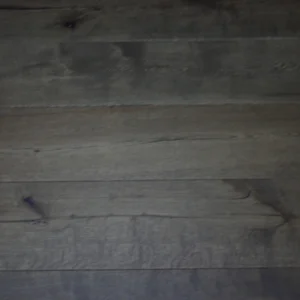
Small Profits – Engineered Oak Plank Flooring
£49.49 / m² ex. VAT Add to cart -
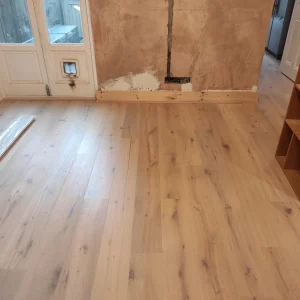
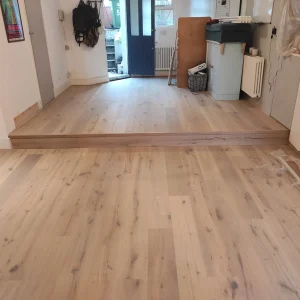
Whitechapel – Engineered Oak Plank Flooring
£49.49 / m² ex. VAT Add to cart -
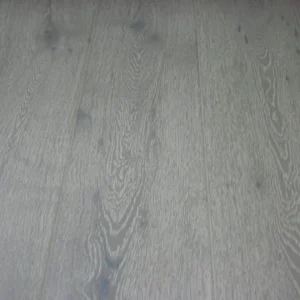
Debden Wharf – Engineered Oak Plank Flooring
£49.49 / m² ex. VAT Add to cart -
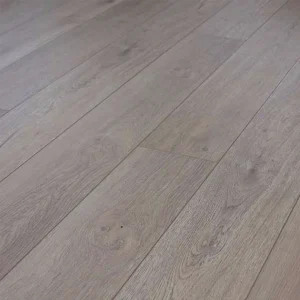
White Hart – Engineered Oak Plank Flooring
£49.49 / m² ex. VAT Add to cart -
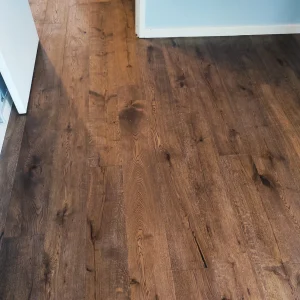
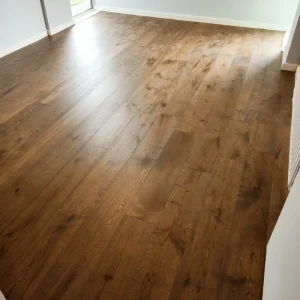
Cringle Dock – Engineered Oak Plank Flooring
£49.49 / m² ex. VAT Add to cart -
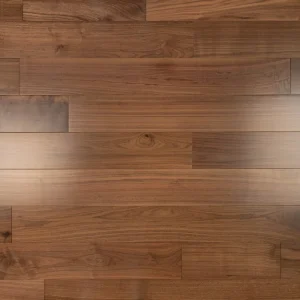
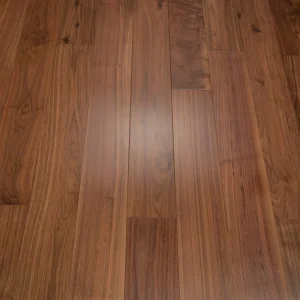
Walnut – Engineered Walnut Plank Flooring
£50.98 / m² ex. VAT Add to cart -
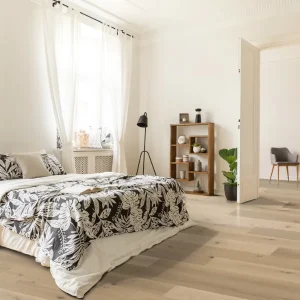
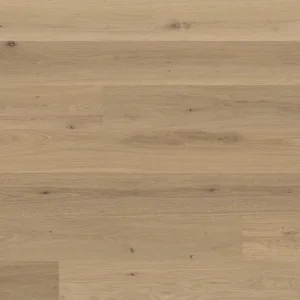
Foxtail – Engineered Oak Plank Flooring
£51.00 / m² ex. VAT Add to cart -

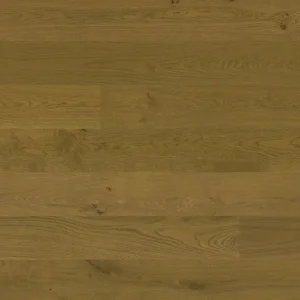
Biscuit – Engineered Oak Plank Flooring
£51.00 / m² ex. VAT Add to cart -
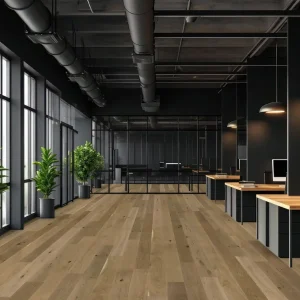
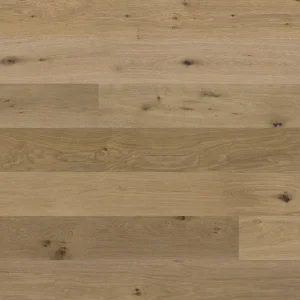
Dovetail – Engineered Oak Plank Flooring
£51.00 / m² ex. VAT Add to cart -
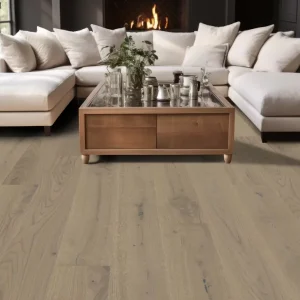

Rabbet – Engineered Oak Plank Flooring
£51.00 / m² ex. VAT Add to cart -
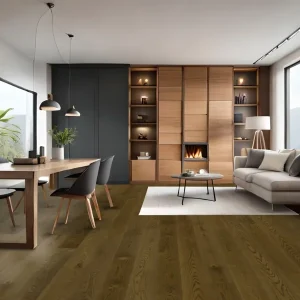
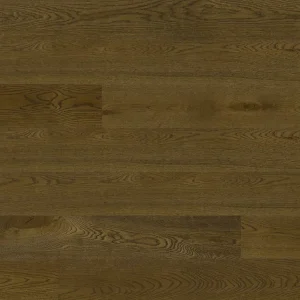
Feather – Engineered Oak Plank Flooring
£51.00 / m² ex. VAT Add to cart -
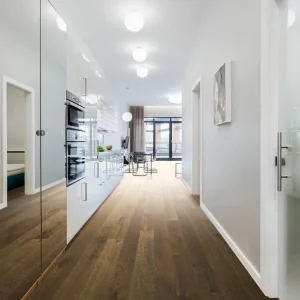

Bridle – Engineered Oak Plank Flooring
£51.00 / m² ex. VAT Add to cart -
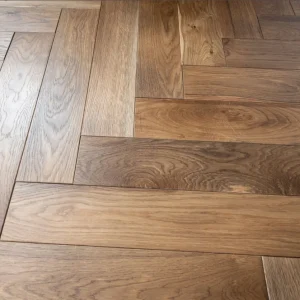
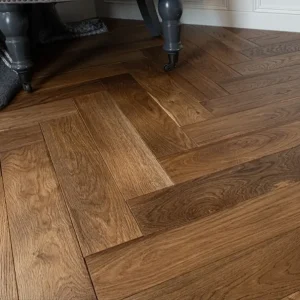
Deep Smoked – Engineered Oak Herringbone Parquet Flooring
£52.49 / m² ex. VAT Add to cart -
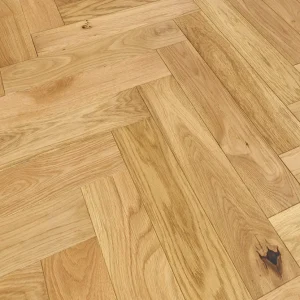
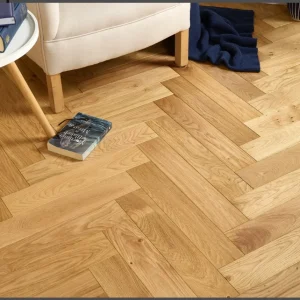
Natural Warm – Engineered Oak Herringbone Parquet Flooring
£52.49 / m² ex. VAT Add to cart -
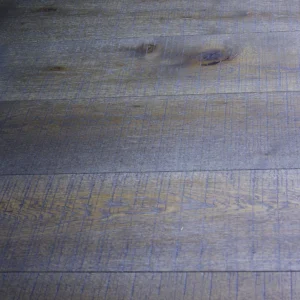
Stag Brewery – Engineered Oak Plank Flooring
£53.90 / m² ex. VAT Add to cart -
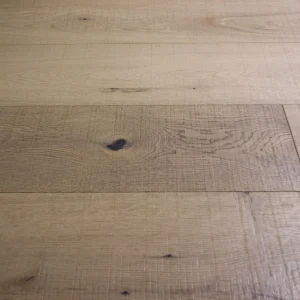
Falcon Draw Dock – Engineered Oak Plank Flooring
£53.90 / m² ex. VAT Add to cart -
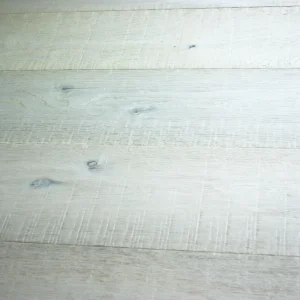
Price’s Candles – Engineered Oak Plank Flooring
£53.90 / m² ex. VAT Add to cart -
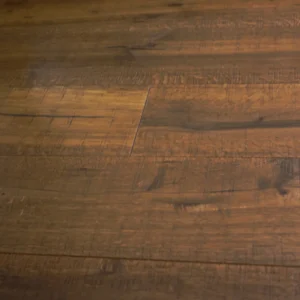
River Wandle – Engineered Oak Plank Flooring
£53.90 / m² ex. VAT Add to cart -
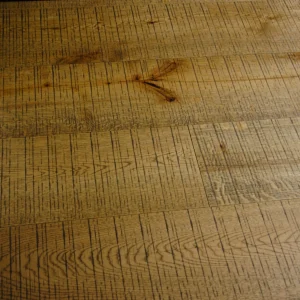
Mortlake Brewery – Engineered Oak Plank Flooring
£53.90 / m² ex. VAT Add to cart -
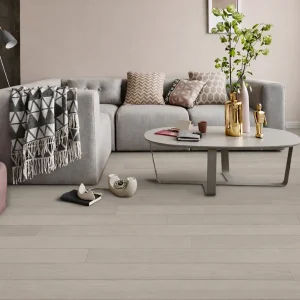
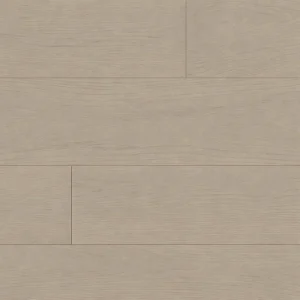
Ivory White – Engineered Oak Plank Flooring
£55.14 / m² ex. VAT Add to cart -
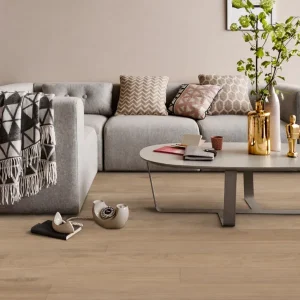
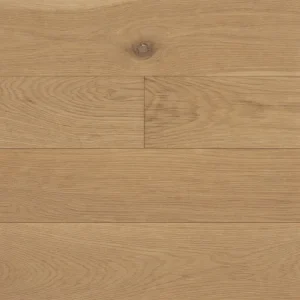
Scandic White – Engineered Oak Plank Flooring
£55.14 / m² ex. VAT Add to cart -
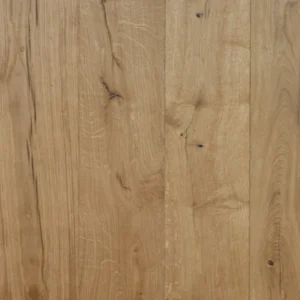
Timberwolf – Engineered Oak Plank Flooring
£56.99 / m² ex. VAT Add to cart -
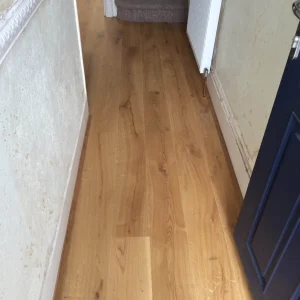
Grand Wide – Engineered Oak Plank Flooring
£59.93 / m² ex. VAT Add to cart -
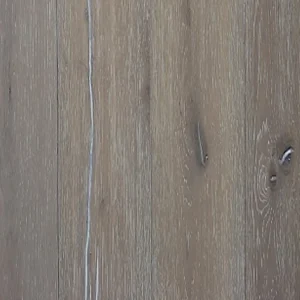
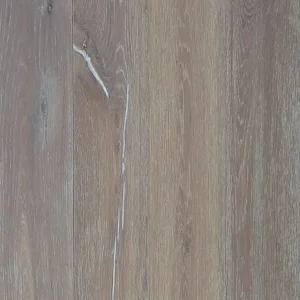
Antique Smoked – Engineered Oak Plank Flooring
£59.99 / m² ex. VAT Add to cart -

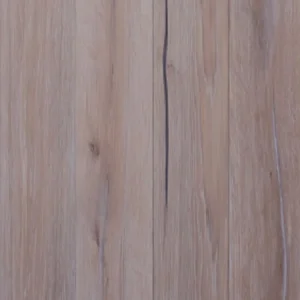
Limed Distressed – Engineered Oak Plank Flooring
£59.99 / m² ex. VAT Add to cart -
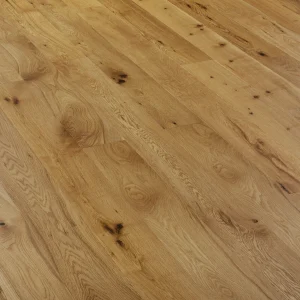
Rustic Oak – Engineered Oak Plank Flooring
£62.40 / m² ex. VAT Add to cart -
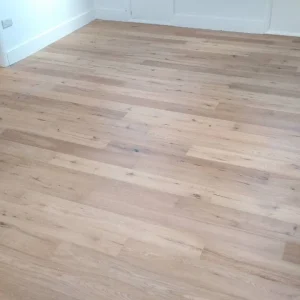
Wide Natural – Engineered Oak Plank Flooring
£67.49 / m² ex. VAT Add to cart -
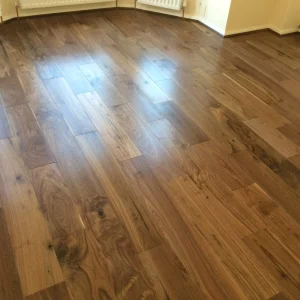
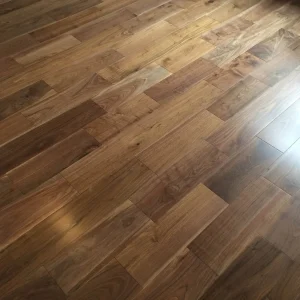
Black American Walnut – Engineered Walnut Plank Flooring
£83.99 / m² ex. VAT Add to cart -
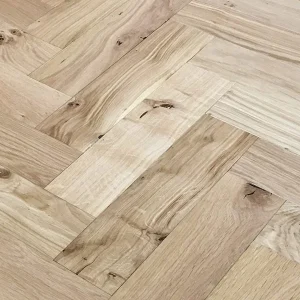
Brushed Oak Herringbone – Engineered Oak Herringbone Parquet Flooring
Price on request Request price -
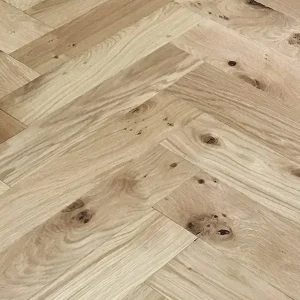
Natural Oak Herringbone – Engineered Oak Herringbone Parquet Flooring
Price on request Request price -
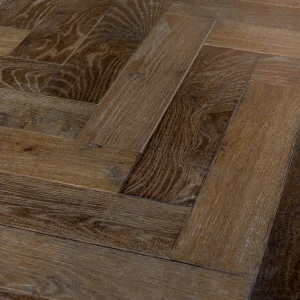
Tannery Brown Herringbone – Engineered Oak Herringbone Parquet Flooring
Price on request Request price -
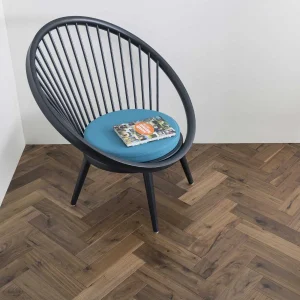
American Black Walnut Herringbone – Engineered Walnut Herringbone Parquet Flooring
Price on request Request price -
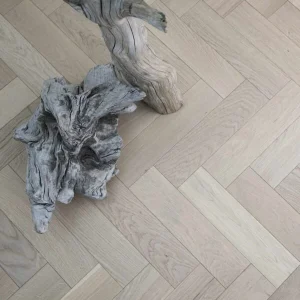
Shore Drift Herringbone – Engineered Oak Herringbone Parquet Flooring
Price on request Request price -
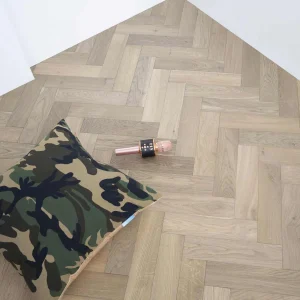
White Smoked Herringbone – Engineered Oak Herringbone Parquet Flooring
Price on request Request price -
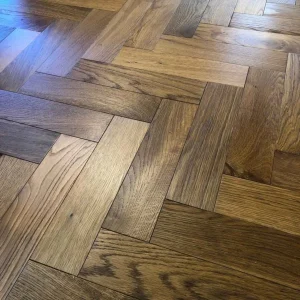
Smoked Oak Herringbone ZB – Engineered Oak Herringbone Parquet Flooring
Price on request Request price -
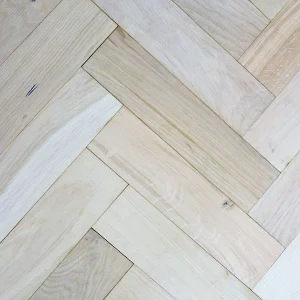
Unfinished Oak Herringbone – Engineered Oak Herringbone Parquet Flooring
Price on request Request price -
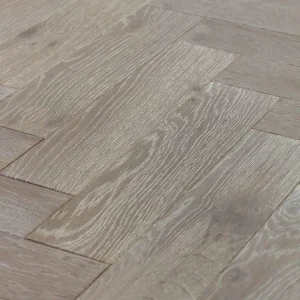
Silver Haze Herringbone – Engineered Oak Herringbone Parquet Flooring
Price on request Request price -
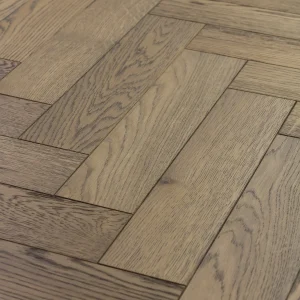
Frozen Umber Herringbone – Engineered Oak Herringbone Parquet Flooring
Price on request Request price -
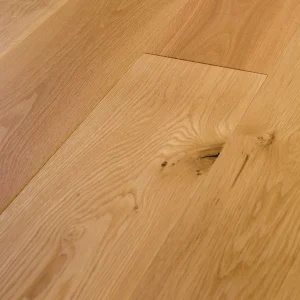
Rustic UV Oiled Oak – Engineered Oak Plank Flooring
Price on request Request price -
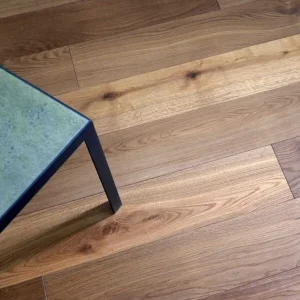
Thermo Oak Plank – Engineered Oak Plank Flooring
Price on request Request price -
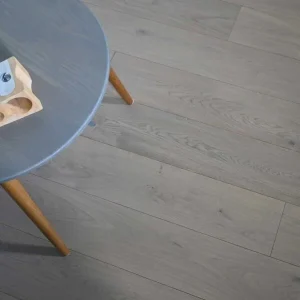
Misty Grey Plank – Engineered Oak Plank Flooring
Price on request Request price -
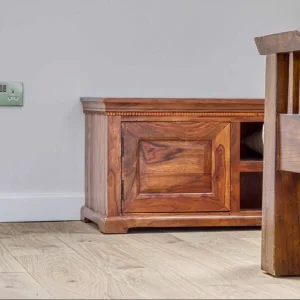
Seashell Oak Plank – Engineered Oak Plank Flooring
Price on request Request price
Frequently Asked Questions
Is engineered wood real wood?
Yes. The surface is solid timber — usually oak — bonded to a plywood core. It is not laminate, which is a printed photograph of wood, and not vinyl, which is plastic.
How many times can engineered wood flooring be sanded?
It depends on the wear layer, not the price. Roughly: 3 mm once, 4 mm twice, 6 mm three or four times. Ask for the figure in millimetres before comparing quotes.
Can engineered wood flooring go over underfloor heating?
Yes, and it is the only wood floor that should. Glue it down, and raise the temperature gradually over the first week.
Will engineered wood flooring last as long as solid wood?
A 6 mm wear layer will outlive most kitchens. Solid wood lasts longer in absolute terms, but in a house with modern heating an engineered floor usually stays flat while a solid one moves.
What thickness of engineered wood flooring should I choose?
For a floating floor over concrete, 14–15 mm overall is the usual choice. Over joists, 18 mm or more. The overall thickness matters for the build-up and door clearances; the wear layer matters for the lifespan.
Can I see engineered wood flooring before ordering?
Order up to three samples free, or visit the Forest Hill showroom, where floors are laid out in full boards. A 10 cm chip and a 190 mm board of the same floor look like two different products.
What Our Customers Say
★★★★★
“We had some herringbone flooring fitted recently. It was a great experience from start to finish and we couldn't be more happy with the result. Ruslan is a…”
★★★★★
“Beautiful job, I’m so pleased. Ruslan is very knowledgable, flagged any potential issues early and advised me on what I could preserve from the existing f…”
★★★★★
“I went to visit Wood4Floors to see some samples, and had a super helpful man show me some things and gave me a few full sized samples of herringbone flooring.…”
How do I get a price for my rooms?
Send your measurements and we will work out quantities, waste and fitting — or order samples and see the boards in your own light first.
Get a Free Quote Order Free Samples