
Home / Floor Sanding and Restoration
Floor Sanding and Restoration
A worn wood floor is almost never finished. Under the scratches, the grey walkways and forty years of someone else’s varnish there is usually solid timber that has barely been touched. Sanding takes off a fraction of a millimetre and gives you a new floor for a fraction of the price of one.
We sand and restore floors across South East and South London, and parts of Kent and Surrey, with our own fitters rather than subcontractors. If your floor is not worth saving we will say so — we would rather tell you that than take the job.
See the range ↓When Sanding Is the Right Answer
If the boards are sound, reasonably flat and thick enough to lose a little, sanding beats replacement every time. It costs less, it keeps the original floor, and in a period house it keeps something that cannot be bought back. Pine and fir boards under carpet in a Victorian or Edwardian house are the classic case.
| Herringbone | Chevron | |
|---|---|---|
| Block shape | Plain rectangle, cut square | Cut at an angle at both ends |
| How it meets | End to side, stepped | Point to point, continuous V |
| Feel | Traditional, informal, forgiving | Formal, directional, more modern |
| Waste | 10–15% | More — the angled cuts throw away more |
| Cost | Higher than plank | Highest of the three |
| Best in | Almost any room; the safe choice | Long rooms and hallways, where the V has somewhere to go |
It also applies to engineered floors, within limits. The wear layer is what you are sanding, so a 3–4 mm layer takes two or three full sandings across its life. A thin 2–3 mm layer may have one left, and if a previous owner has already used it, none.
When It Is Not, and We Will Tell You
Boards split along the grain, widespread cupping that will not sand flat, or a floor already taken thin by earlier sandings — those are replacement, not restoration. So is a floor where half the boards have been cut about by plumbers and electricians over the years.
Damp is the other one. If boards are lifting or soft, sanding treats the symptom and the cause stays underneath. We would rather find that before we start than hand you a beautiful floor that fails in a year.
What the Work Involves
First the assessment: what the boards are, how thick they are, what finish is on them now and what is underneath. Old adhesive, bitumen and layers of varnish all change how the job runs, and so do nails that need punching below the surface before a machine touches them.
Then the sanding itself, in passes from coarse to fine, with edges and corners done separately because the big machine cannot reach them. Gaps can be filled at this stage — with resin and sanding dust from your own floor, so the colour matches rather than announcing itself.
Then the finish: oil or lacquer, and the choice matters as much here as on a new floor. Oil can be repaired in patches later; lacquer resists the first scratch better but needs the whole floor doing when it wears through. Staining happens before the finish if you want the colour changed.
Living in the House While It Happens
This is the question people ask first, and the honest answer is that it depends on the house. Modern machines run with dust extraction and the mess is far less than the reputation suggests, but it is not nothing, and finishes need time to cure before furniture goes back.
Where there are enough rooms, we work in sequence so you keep part of the house usable throughout. We did exactly that on a job in Lewisham: four rooms sanded and refinished one after another so the family could stay put. That floor is below: the same boards, before and after.
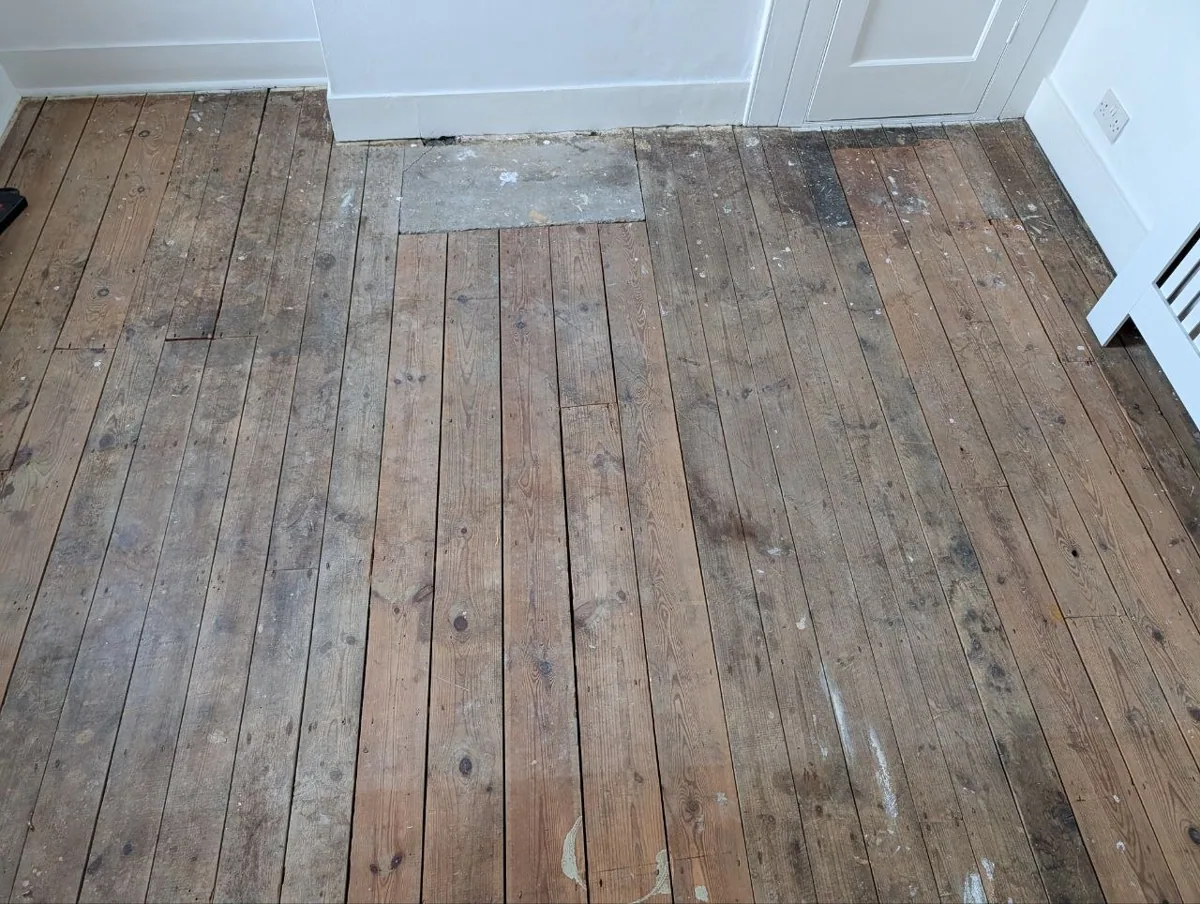
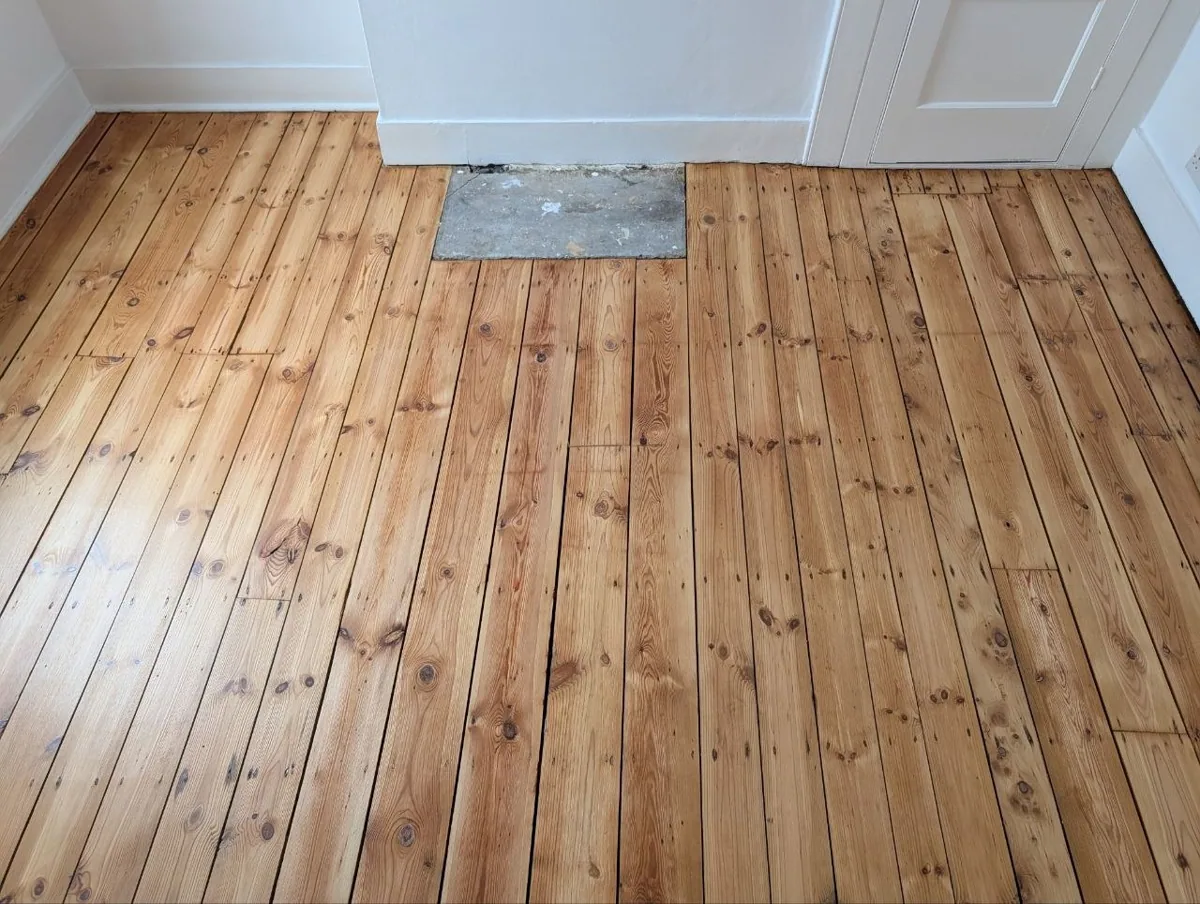
What we will not do is promise a day count before seeing the floor. How long it takes depends on what comes off and how the timber behaves once it is bare.
Floors We Supply
If restoration turns out not to be worth it, we hold 134 wood floors in oak and walnut from £22.00 per m² excluding VAT. Three samples free.
Not sure about the shade? Order up to three samples free of charge and see them in your own light, against your own walls, before you decide. Open any floor and click “Add to Sample Box”.
Request free samplesShowing 25–48 of 134 results
-
Feather – Engineered Oak Plank Flooring
£51.00 / m² ex. VAT Add to cart -
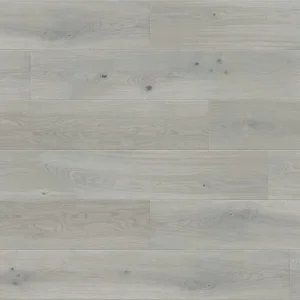
Fjordic Shore – Engineered Oak Plank Flooring
Price on request Request price -
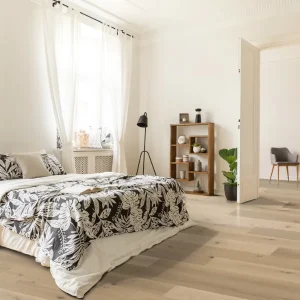
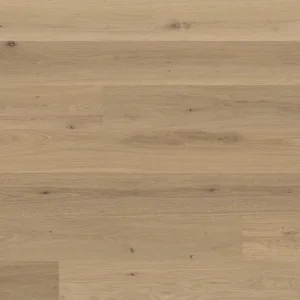
Foxtail – Engineered Oak Plank Flooring
£51.00 / m² ex. VAT Add to cart -
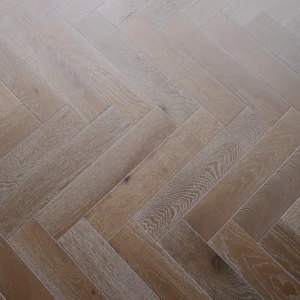
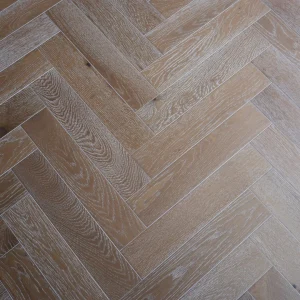
Frosted Smoke – Engineered Oak Herringbone Parquet Flooring
£37.49 / m² ex. VAT Add to cart -
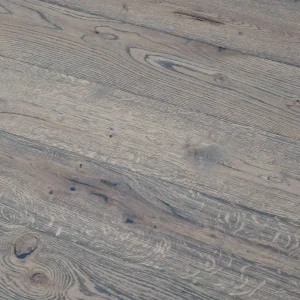
Frozen Umber – Engineered Oak Plank Flooring
Price on request Request price -
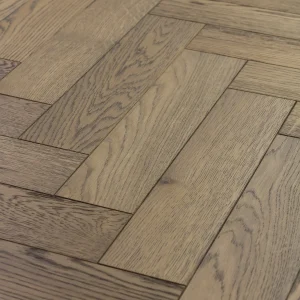
Frozen Umber Herringbone – Engineered Oak Herringbone Parquet Flooring
Price on request Request price -
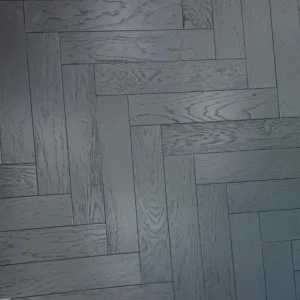
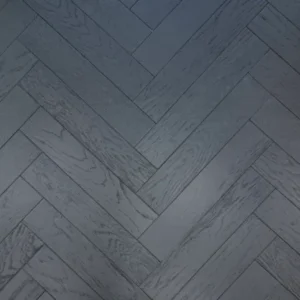
Galaxy Black – Engineered Oak Herringbone Parquet Flooring
£25.99 / m² ex. VAT Add to cart -
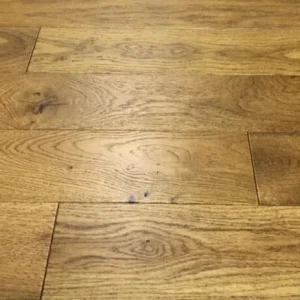
Golden Grain – Engineered Oak Plank Flooring
£37.49 / m² ex. VAT Add to cart -
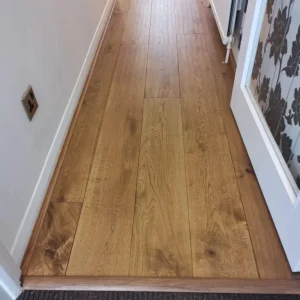
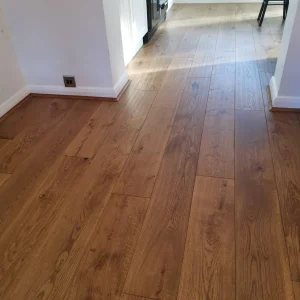
Golden Handscraped – Engineered Oak Plank Flooring
£47.99 / m² ex. VAT Add to cart -
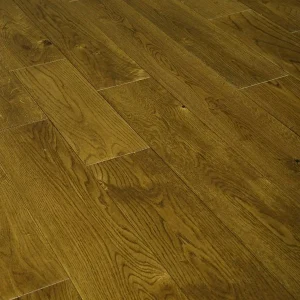
Golden Stained Oak – Engineered Oak Plank Flooring
Price on request Request price -
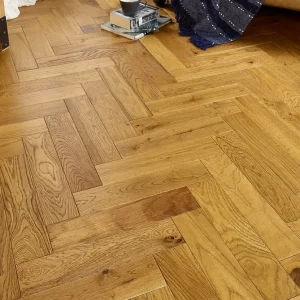
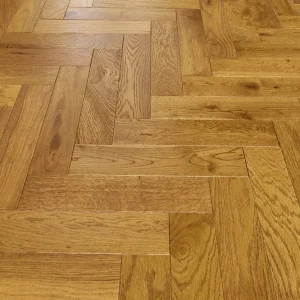
Golden Tone – Engineered Oak Herringbone Parquet Flooring
£47.99 / m² ex. VAT Add to cart -
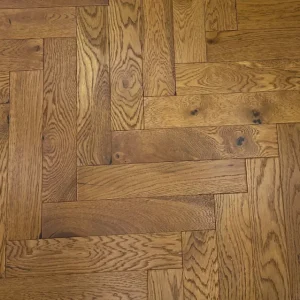
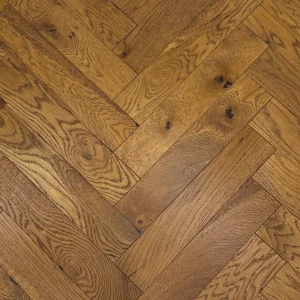
Golden Wheat – Engineered Oak Herringbone Parquet Flooring
£25.99 / m² ex. VAT Add to cart -
Sale!
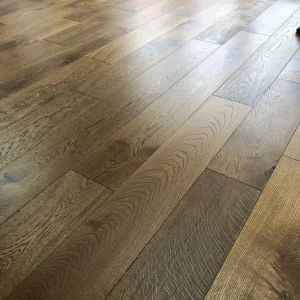
Golden Wide – Engineered Oak Plank Flooring
Original price was: £42.75.£39.20Current price is: £39.20. / m² ex. VAT Add to cart -
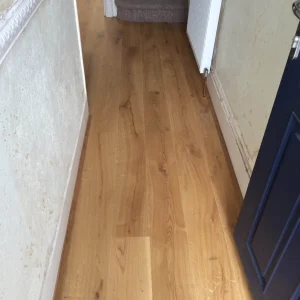
Grand Wide – Engineered Oak Plank Flooring
£59.93 / m² ex. VAT Add to cart -
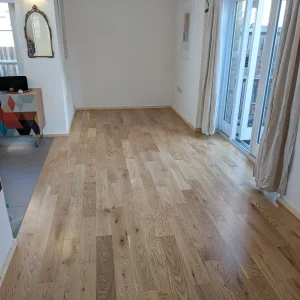
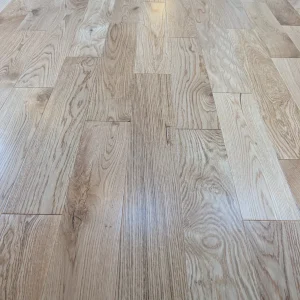
Griffins Wharf – Engineered Oak Plank Flooring
£38.99 / m² ex. VAT Add to cart -
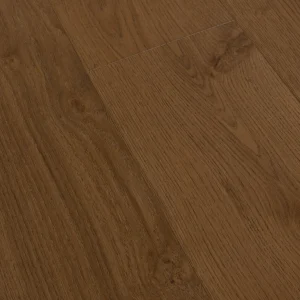 Sale!
Sale!
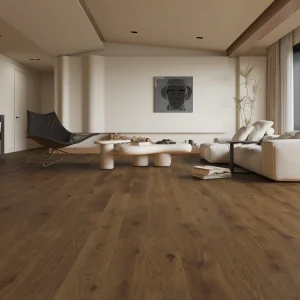
Harvest Oak – Engineered Oak Plank Flooring
Original price was: £44.95.£41.95Current price is: £41.95. / m² ex. VAT Add to cart -
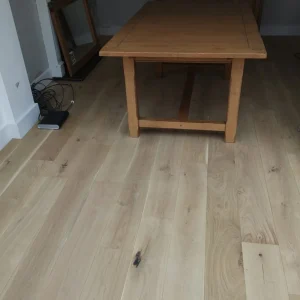
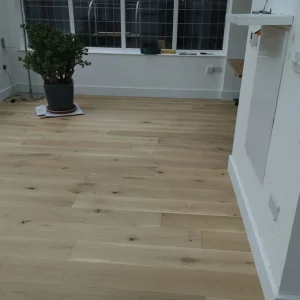
Invisible Light – Engineered Oak Plank Flooring
£47.99 / m² ex. VAT Add to cart -
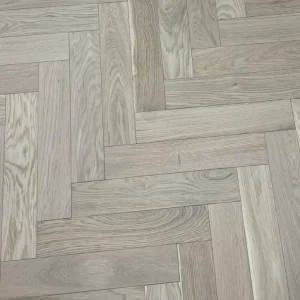
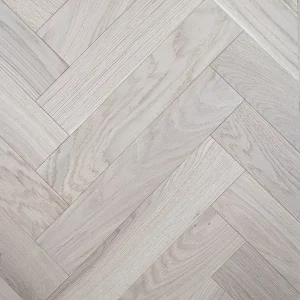
Invisible Oak – Engineered Oak Herringbone Parquet Flooring
£25.99 / m² ex. VAT Add to cart -
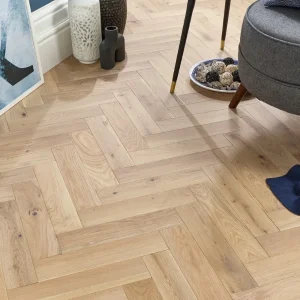
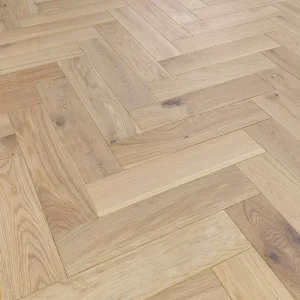
Invisible Oiled – Engineered Oak Herringbone Parquet Flooring
£47.99 / m² ex. VAT Add to cart -
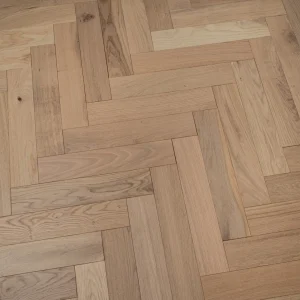
Invisible Soft – Engineered Oak Herringbone Parquet Flooring
£37.49 / m² ex. VAT Add to cart -
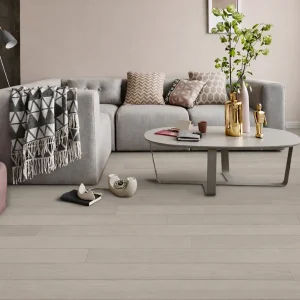
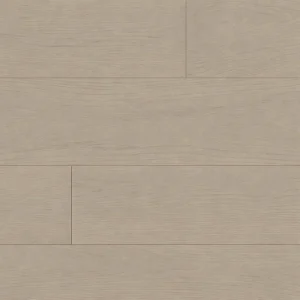
Ivory White – Engineered Oak Plank Flooring
£55.14 / m² ex. VAT Add to cart -
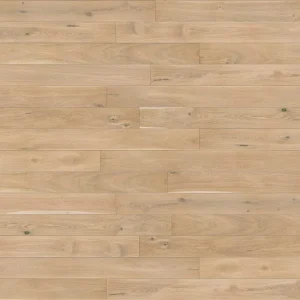
Jetsum Oak – Engineered Oak Plank Flooring
Price on request Request price -
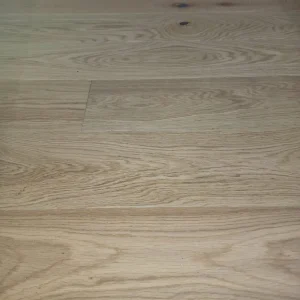
Lambeth Pier – Engineered Oak Plank Flooring
£44.93 / m² ex. VAT Add to cart -
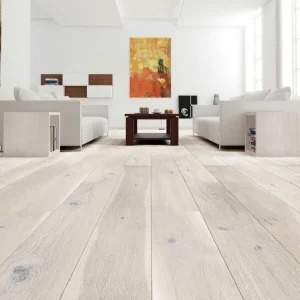
Lichen White Oak – Engineered Oak Plank Flooring
Price on request Request price
Restoration We Have Done
Four rooms of original boards in Lewisham, sanded and refinished in sequence. Parquet brought back in a South London house where most of the blocks were sound and the rest were replaced from salvage.
More of these, with photographs, are on our recent work page.
Frequently Asked Questions
Can my floor be sanded, or is it too far gone?
Send photographs and we will tell you. The things that rule it out are splits along the grain, boards already sanded thin, widespread cupping and damp underneath. Scratches, stains and old varnish almost never rule it out, however bad they look.
How much does floor sanding cost?
We quote after seeing the floor, because the price turns on its condition rather than its size — how many boards need patching, how many layers of old finish there are, whether gaps need filling. Photographs are usually enough for a first answer.
How many times can a floor be sanded?
A solid board can take several sandings across its life. An engineered board depends on its wear layer: 3–4 mm gives you two or three. If you do not know what you have, we can tell from an edge or a doorway.
Will the whole house be covered in dust?
Far less than people expect. Our machines run with extraction, and we seal off the rooms we are working in. Some fine dust always escapes, so clear what you can and expect to wipe down afterwards — but it is not the catastrophe of twenty years ago.
Can gaps between boards be filled?
Yes, and it is usually done during the sanding. Resin mixed with dust from your own floor fills the gaps in a colour that matches, rather than a filler that shows as a line. Very wide gaps may want slivers of timber instead.
Can you change the colour while you are at it?
Yes. Staining goes on after sanding and before the finish, so a restoration is the natural moment to change a floor from orange pine to something calmer. We will do a test patch in your own light before committing the whole floor.
What Our Customers Say
★★★★★
“We had some herringbone flooring fitted recently. It was a great experience from start to finish and we couldn't be more happy with the result. Ruslan is a…”
★★★★★
“Beautiful job, I’m so pleased. Ruslan is very knowledgable, flagged any potential issues early and advised me on what I could preserve from the existing f…”
★★★★★
“I went to visit Wood4Floors to see some samples, and had a super helpful man show me some things and gave me a few full sized samples of herringbone flooring.…”
How do we start?
Send photographs of the floor and the room sizes, or ask us to come and look. We will tell you whether it is worth restoring, and if it is not we will say that too. No one will chase you afterwards.
Get a Free Quote Order Free Samples