Home / Floorboards
Wooden Floorboards
“Floorboards” means two different things, and it is worth knowing which one you are after before you start pricing. It can mean the original boards already under your carpet, waiting to be sanded back. Or it can mean new boards to lay.
We do both. If your existing boards are sound we will sand and finish them, and if they are past saving we supply 134 new floors in oak and walnut. This page covers the second case, and says plainly when the first is the better buy.
See the range ↓First: Do You Already Have Floorboards Worth Keeping?
Lift a corner of the carpet before you price anything. In a Victorian or Edwardian house there is often pine or fir underneath that has never been seen. If the boards are solid, not riddled with gaps and not cut about by plumbers, sanding and refinishing them costs less than a new floor and keeps the original character.
| Herringbone | Chevron | |
|---|---|---|
| Block shape | Plain rectangle, cut square | Cut at an angle at both ends |
| How it meets | End to side, stepped | Point to point, continuous V |
| Feel | Traditional, informal, forgiving | Formal, directional, more modern |
| Waste | 10–15% | More — the angled cuts throw away more |
| Cost | Higher than plank | Highest of the three |
| Best in | Almost any room; the safe choice | Long rooms and hallways, where the V has somewhere to go |
What rules it out: boards split along the grain, widespread cupping, previous sandings that have already taken them thin, or so many service notches that half the floor would need patching. We will tell you which case you are in before you commit, and we would rather say “keep what you have” than sell you boards you do not need.
What Width of Board to Choose
Our boards run from 70 mm to 240 mm, which in inches is roughly two and three quarters up to nine and a half. The most common by far is 190 mm — a shade over seven and a half inches — and 52 of our 134 floors are that width.
Narrow boards around 70–90 mm read as traditional and suit smaller rooms and period houses, where they match what would originally have been down. Anything from about 180 mm reads as wide and modern, shows more of the grain and gives you fewer joints across the floor. The middle, 120–160 mm, is the safe choice when you cannot decide.
Engineered Boards or Solid Boards
131 of our 134 floors are engineered and 3 are solid, and for new boards in a London house that ratio is deliberate rather than a limitation.
A solid board is one piece of timber and moves with the seasons. In a house that swings from 60% humidity in summer to 30% with the heating on, that movement opens gaps in winter. An engineered board has the same oak on top but a plywood core with the grain crosswise, which cancels most of that out. It can also go over underfloor heating, which solid timber cannot.
Where solid still wins is over joists in a period house with nothing heated underneath, and where you want boards that can be sanded many times over a very long life. If that is your case, say so and we will source what you need.
What Floorboards Cost
Our boards run from £22.00 to £117.75 per m² excluding VAT, with the middle of the range at £47.99. Width drives the price more than anything else: a wide board needs a bigger log and the yield per tree is lower.
Fitting is quoted separately and honestly depends on what is under the boards. A flat, sound subfloor is straightforward. One that needs levelling, or old boards lifting first, is not. Ask for the preparation to be itemised rather than folded into a single figure — that is where quotes diverge most.
Sanding existing boards we quote after seeing them, because the price depends on their condition rather than on floor area alone — how many boards need patching, how deep the old finish is, whether there are gaps to fill. Send photographs and we will tell you whether it is worth doing at all.
Shop Wooden Floorboards
134 floors in oak and walnut, 70 mm to 240 mm wide, from £22.00 per m² excluding VAT. Three samples free.
Not sure about the shade? Order up to three samples free of charge and see them in your own light, against your own walls, before you decide. Open any floor and click “Add to Sample Box”.
Request free samplesShowing 49–88 of 88 results
-
 Sale!
Sale!
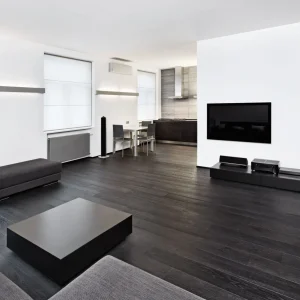
Plumb Slate – Engineered Oak Plank Flooring
Original price was: £36.49.£22.00Current price is: £22.00. / m² ex. VAT Add to cart -
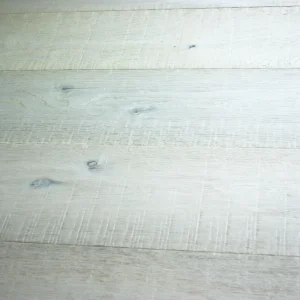
Price’s Candles – Engineered Oak Plank Flooring
£53.90 / m² ex. VAT Add to cart -
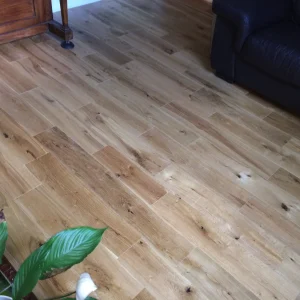
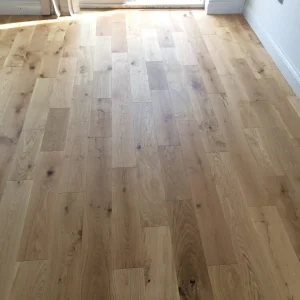
Pure Oak – Engineered Oak Plank Flooring
£44.01 / m² ex. VAT Add to cart -

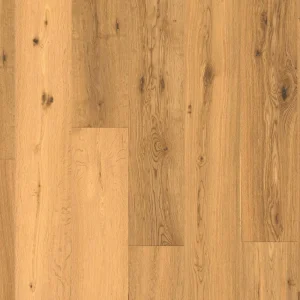
Pure Solid – Solid Oak Plank Flooring
£52.49 / m² ex. VAT Add to cart -
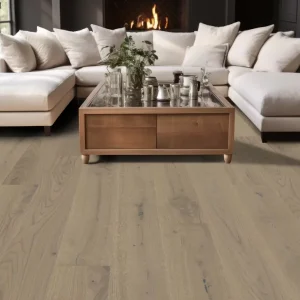

Rabbet – Engineered Oak Plank Flooring
£51.00 / m² ex. VAT Add to cart -
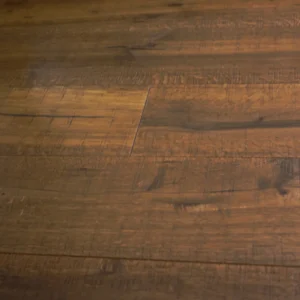
River Wandle – Engineered Oak Plank Flooring
£53.90 / m² ex. VAT Add to cart -
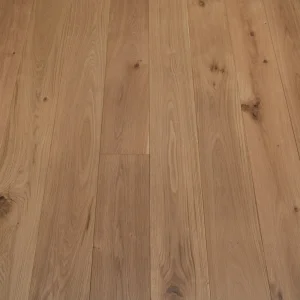
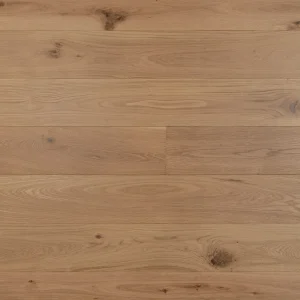
Rustic Brushed – Engineered Oak Plank Flooring
£43.49 / m² ex. VAT Add to cart -
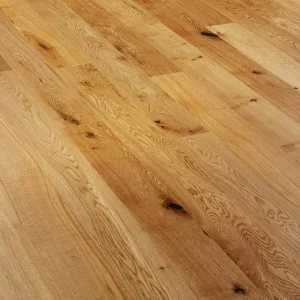
Rustic Brushed & Lacquered Oak – Engineered Oak Plank Flooring
Price on request Request price -
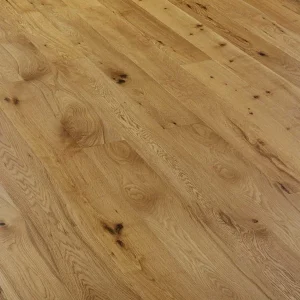
Rustic Brushed & Oiled Oak – Engineered Oak Plank Flooring
Price on request Request price -
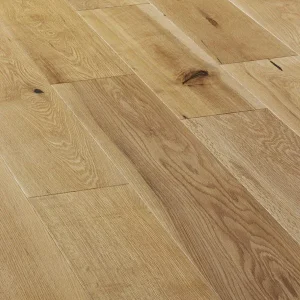
Rustic Brushed & Oiled Oak Petit – Engineered Oak Plank Flooring
Price on request Request price -
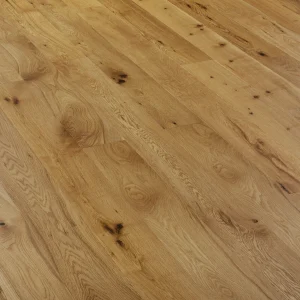
Rustic Oak – Engineered Oak Plank Flooring
£62.40 / m² ex. VAT Add to cart -
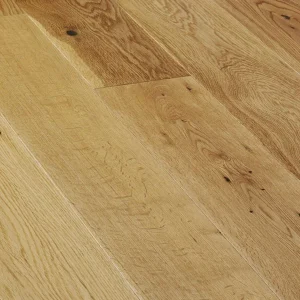
Rustic Oak Lacquered Petit – Engineered Oak Plank Flooring
Price on request Request price -
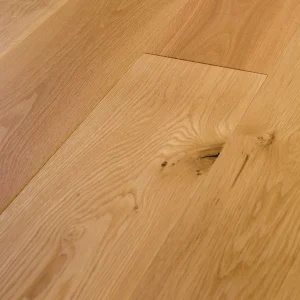
Rustic UV Oiled Oak – Engineered Oak Plank Flooring
Price on request Request price -
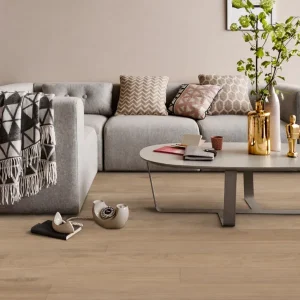
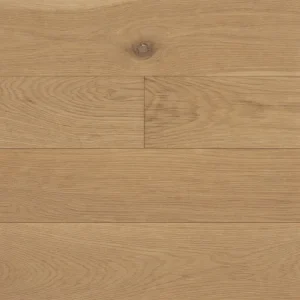
Scandic White – Engineered Oak Plank Flooring
£55.14 / m² ex. VAT Add to cart -
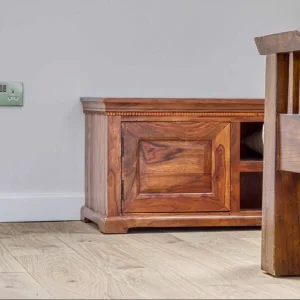
Seashell Oak Plank – Engineered Oak Plank Flooring
Price on request Request price -
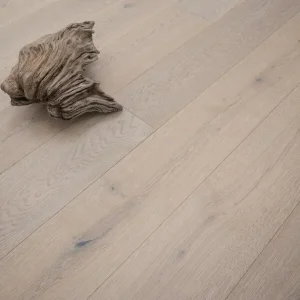
Shore Drift – Engineered Oak Plank Flooring
Price on request Request price -
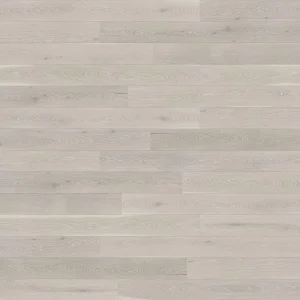
Silver Sands – Engineered Oak Plank Flooring
Price on request Request price -
Small Profits – Engineered Oak Plank Flooring
£49.49 / m² ex. VAT Add to cart -
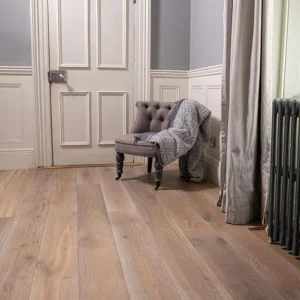
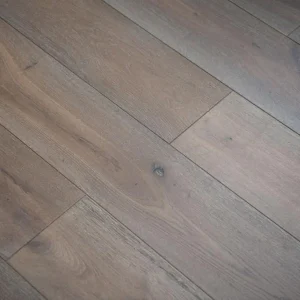
Smoked Grey Wide – Engineered Oak Plank Flooring
£47.99 / m² ex. VAT Add to cart -
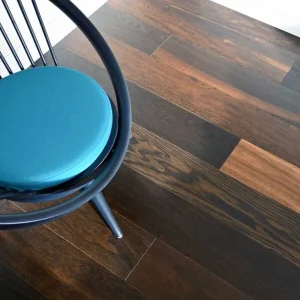
Smoked Oak Plank – Engineered Oak Plank Flooring
Price on request Request price -
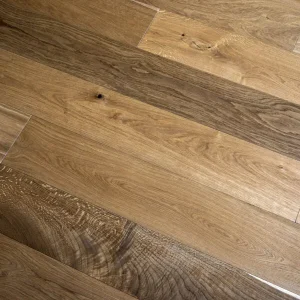
Smoked Rustic Oak – Engineered Oak Plank Flooring
Price on request Request price -
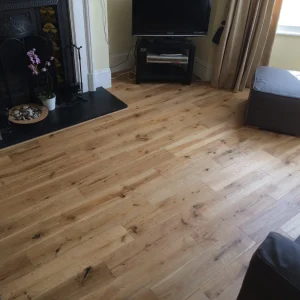
Soft Natural – Engineered Oak Plank Flooring
£38.99 / m² ex. VAT Add to cart -
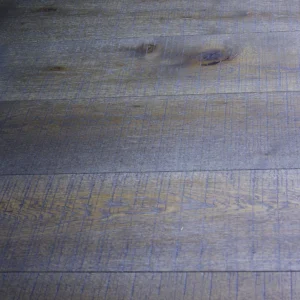
Stag Brewery – Engineered Oak Plank Flooring
£53.90 / m² ex. VAT Add to cart -
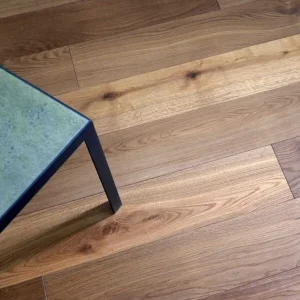
Thermo Oak Plank – Engineered Oak Plank Flooring
Price on request Request price -
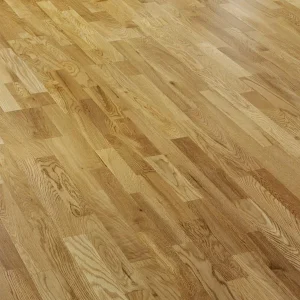
Three Strip Oak – Engineered Oak Plank Flooring
Price on request Request price -
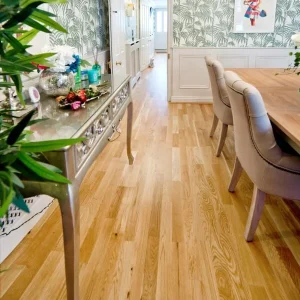
Three Strip Oak Driftwood – Engineered Oak Plank Flooring
Price on request Request price -
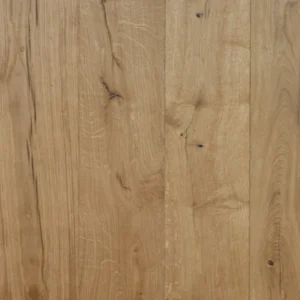
Timberwolf – Engineered Oak Plank Flooring
£56.99 / m² ex. VAT Add to cart -
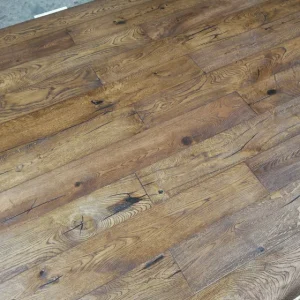
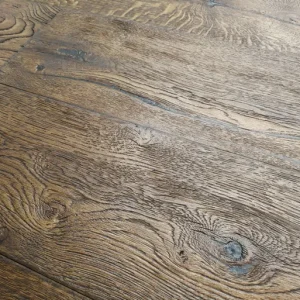
Time Honoured – Engineered Oak Plank Flooring
£47.98 / m² ex. VAT Add to cart -
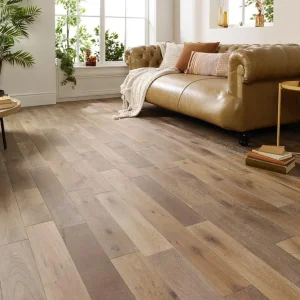
Urban Grey – Engineered Oak Plank Flooring
£37.49 / m² ex. VAT Add to cart -
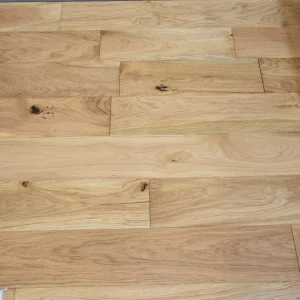 Sale!
Sale!
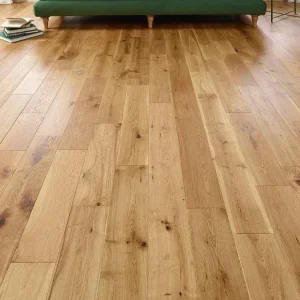
Uveco Wharf – Engineered Oak Plank Flooring
Original price was: £36.75.£30.00Current price is: £30.00. / m² ex. VAT Add to cart -
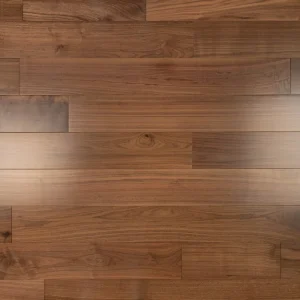
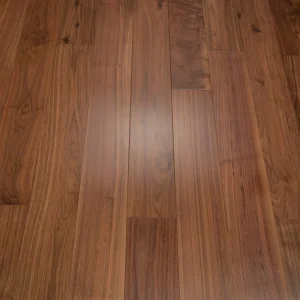
Walnut – Engineered Walnut Plank Flooring
£50.98 / m² ex. VAT Add to cart -
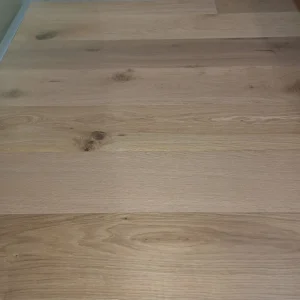
Warm Natural – Engineered Oak Plank Flooring
£44.93 / m² ex. VAT Add to cart -
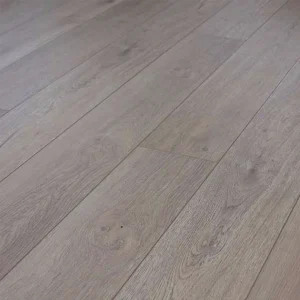
White Hart – Engineered Oak Plank Flooring
£49.49 / m² ex. VAT Add to cart -
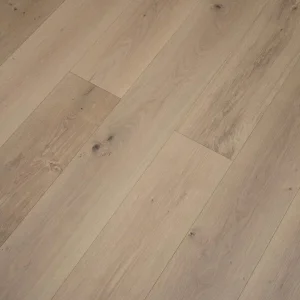
White Smoked Rustic Oak – Engineered Oak Plank Flooring
Price on request Request price -
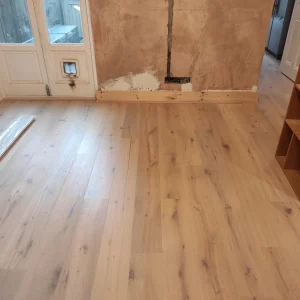
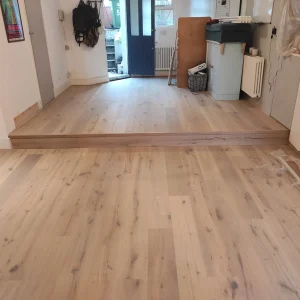
Whitechapel – Engineered Oak Plank Flooring
£49.49 / m² ex. VAT Add to cart -
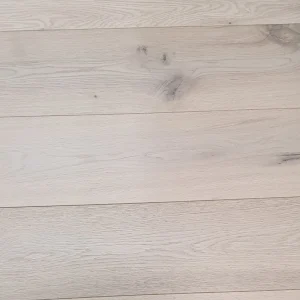
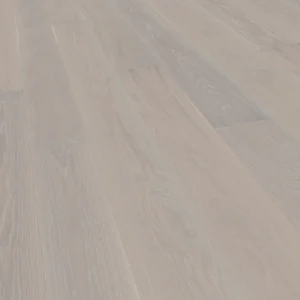
Whiteladies – Engineered Oak Plank Flooring
£47.75 / m² ex. VAT Add to cart -
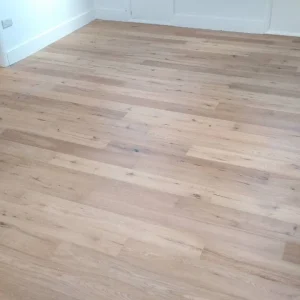
Wide Natural – Engineered Oak Plank Flooring
£67.49 / m² ex. VAT Add to cart -
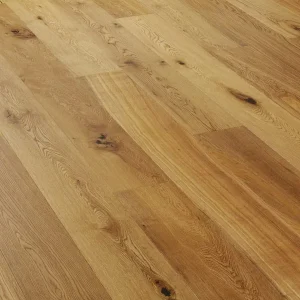
Wide Rustic Brushed & Lacquered Oak – Engineered Oak Plank Flooring
Price on request Request price -
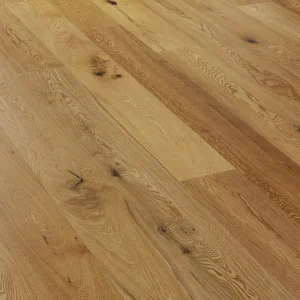
Wide Rustic Oak Lacquered – Engineered Oak Plank Flooring
Price on request Request price -
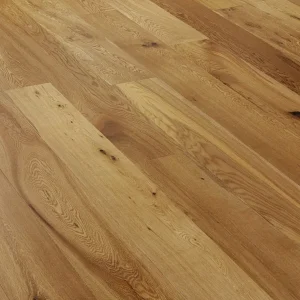
Wide Rustic UV Oiled Oak – Engineered Oak Plank Flooring
Price on request Request price
Floorboards We Have Laid
Wide oak boards through a Dulwich extension, running unbroken from kitchen to garden room. Original pine boards sanded and refinished across four rooms in Lewisham, done in sequence so the family could keep using the house.
More of these, with photographs, are on our recent work page.
Frequently Asked Questions
Can my old floorboards be sanded instead of replaced?
Often yes, and it is usually cheaper. The boards need to be sound, not split along the grain and not already sanded thin by previous owners. Send photographs or let us look, and we will tell you honestly which way is better value.
What width are standard floorboards?
There is no single standard. Period houses commonly have boards around 100–150 mm; modern floors are usually wider. Our range runs 70 mm to 240 mm, and 190 mm is the most common width we sell.
How thick should new floorboards be?
For engineered boards over an existing floor or screed, 14–15 mm is normal and keeps the height change manageable at doorways. Over joists you need more thickness so the board spans without flexing. Tell us what is underneath and we will specify it.
Can floorboards go over underfloor heating?
Engineered boards can, on the 64 floors rated for it, provided the surface stays at or below 27 °C. Solid boards cannot, and we would talk you out of trying.
How many times can floorboards be sanded?
A solid board can take several sandings over its life. An engineered board depends on its wear layer: 3–4 mm gives you two or three, which in a house is twenty years or more between them.
Do you supply boards without fitting?
Yes. Plenty of our customers buy the floor and use their own fitter, and that is perfectly fine. Delivery is across London and we will tell you what else you need — underlay, adhesive, trims — so nothing holds the job up.
What Our Customers Say
★★★★★
“We had some herringbone flooring fitted recently. It was a great experience from start to finish and we couldn't be more happy with the result. Ruslan is a…”
★★★★★
“Beautiful job, I’m so pleased. Ruslan is very knowledgable, flagged any potential issues early and advised me on what I could preserve from the existing f…”
★★★★★
“I went to visit Wood4Floors to see some samples, and had a super helpful man show me some things and gave me a few full sized samples of herringbone flooring.…”
Not sure whether to sand or replace?
Send a few photographs of what you have, with the room sizes. We will tell you whether the boards are worth saving and price both ways so you can compare. Samples are free.
Get a Free Quote Order Free Samples