Home / Wood Flooring
Wood Flooring
A real wood floor is the one surface in a house that gets better with age rather than worse. Everything else — carpet, laminate, vinyl — starts at its best on day one and declines from there. Oak starts well and deepens.
We hold 134 wood floors, supply them on their own or fit them with our own fitters, and send three samples free so you can see a floor in your own light before you spend anything. This page is the plain version of what we sell and how to choose.
See the range ↓What We Actually Stock
130 of our 134 floors are oak and 4 are walnut. That is not a limitation, it is a decision: oak takes colour and texture better than anything else grown in Europe, it is hard enough for a hallway and it is still being planted. Prices run from £22.00 to £117.75 per m² excluding VAT, with the middle of the range at £47.99.
| Herringbone | Chevron | |
|---|---|---|
| Block shape | Plain rectangle, cut square | Cut at an angle at both ends |
| How it meets | End to side, stepped | Point to point, continuous V |
| Feel | Traditional, informal, forgiving | Formal, directional, more modern |
| Waste | 10–15% | More — the angled cuts throw away more |
| Cost | Higher than plank | Highest of the three |
| Best in | Almost any room; the safe choice | Long rooms and hallways, where the V has somewhere to go |
By pattern: 41 herringbone floors, 4 chevron and the rest straight floorboards. By finish: 82 oiled, 48 lacquered and 4 left unfinished for a floor that will be finished on site. 102 of the 134 are brushed, which is the texture that makes a wood floor read as timber rather than as a surface.
Engineered or Solid: Settle This First
131 of our floors are engineered and 3 are solid, and the ratio is deliberate. An engineered board is a layer of real oak bonded to a plywood core with the grain running crosswise. That cross-grain construction cancels out most of the seasonal movement that makes solid timber open gaps in winter and tighten in summer.
A London house swings from roughly 60% humidity in summer to 30% with the heating on. Solid boards follow that swing; engineered boards largely do not. The wear layer on top is the same oak, sanded the same way, and nobody can tell the difference by looking. Solid still has its place over joists in a period house with no heating underneath, which is why we keep a few.
What Decides the Price
Three things, in order. The wear layer — the solid oak above the core — because that is what you are buying and what you can sand back. The width and length of the board, because a wide long board needs a bigger log and the yield per tree is lower. And the finish, because oiling and brushing are extra passes.
Grade matters less than people expect. Rustic grade shows knots and colour swings, natural is calmer, and select is almost uniform — but a rustic floor is not cheaper because it is worse. It is cheaper because more of the tree can be used, and in a busy house it hides marks far better than a clean one.
What should not decide the price is the fitting, quoted vaguely. Ask for the subfloor preparation to be itemised. That is where quotes diverge, and it is the part that decides whether the floor is still flat in five years.
How to Choose Without Guessing
Start with the room, not the floor. A kitchen wants engineered and probably lacquered. A busy family hallway wants rustic grade and brushed texture so marks join the pattern instead of interrupting it. A flat with neighbours below wants acoustic underlay and a lease you have actually read. A room over heating wants one of the 64 floors rated for it.
Then narrow by colour, and do it with samples rather than screens. Light floors make a room read larger and hide dust; dark floors look grounded and show everything. The same board looks different in a north-facing room and a south-facing one, and no photograph conveys that.
Then stop and order three samples. They are free, they arrive in a few days, and they settle arguments that a week of browsing will not. Put them on the actual floor, look at them in the morning and again with the lamps on.
Shop All Wood Flooring
134 floors in engineered and solid oak and walnut, from £22.00 per m² excluding VAT. Three samples free, supplied or supplied and fitted.
Not sure about the shade? Order up to three samples free of charge and see them in your own light, against your own walls, before you decide. Open any floor and click “Add to Sample Box”.
Request free samplesShowing 49–96 of 134 results
-
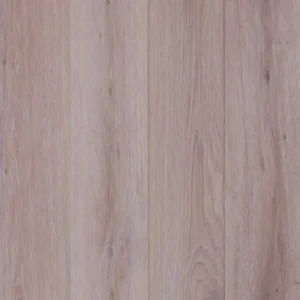
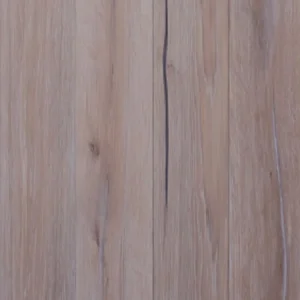
Limed Distressed – Engineered Oak Plank Flooring
£59.99 / m² ex. VAT Add to cart -
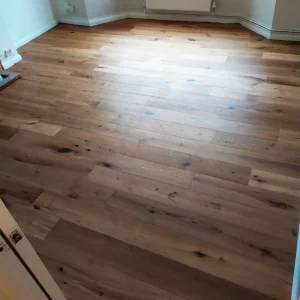
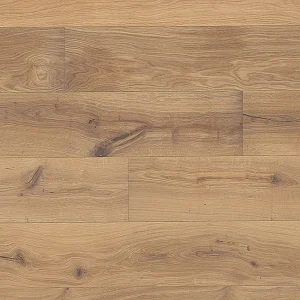
Lion Oak Wharf – Engineered Oak Plank Flooring
£40.32 / m² ex. VAT Add to cart -
 Sale!
Sale!
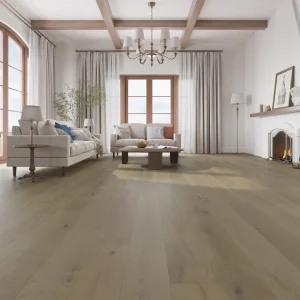
Misted Oak – Engineered Oak Plank Flooring
Original price was: £44.95.£41.95Current price is: £41.95. / m² ex. VAT Add to cart -
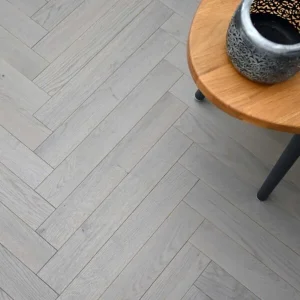
Misty Grey Herringbone – Engineered Oak Herringbone Parquet Flooring
Price on request Request price -
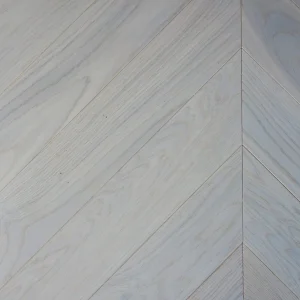
Misty Grey Oak Chevron – Engineered Oak Chevron Parquet Flooring
Price on request Request price -
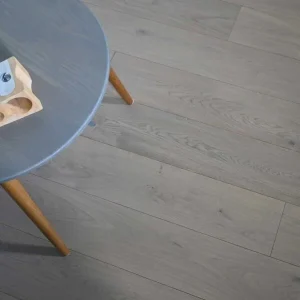
Misty Grey Plank – Engineered Oak Plank Flooring
Price on request Request price -
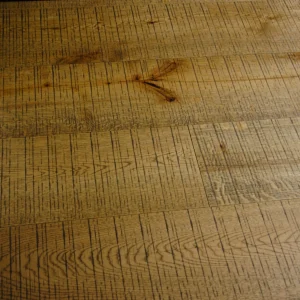
Mortlake Brewery – Engineered Oak Plank Flooring
£53.90 / m² ex. VAT Add to cart -
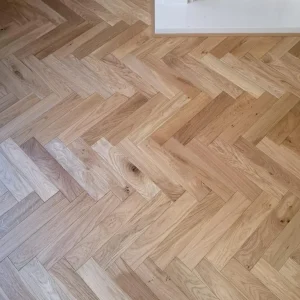
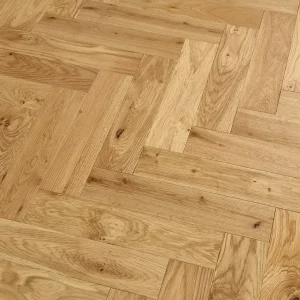
Natural Balance – Engineered Oak Herringbone Parquet Flooring
£47.99 / m² ex. VAT Add to cart -
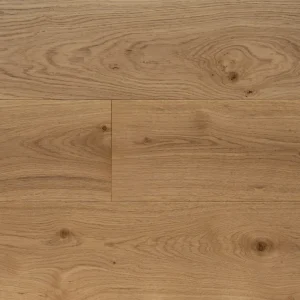 Sale!
Sale!
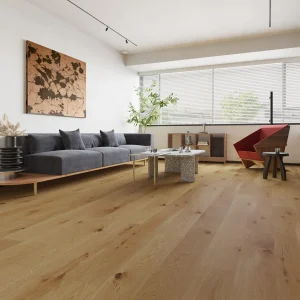
Natural Brushed – Engineered Oak Plank Flooring
Original price was: £44.95.£41.95Current price is: £41.95. / m² ex. VAT Add to cart -
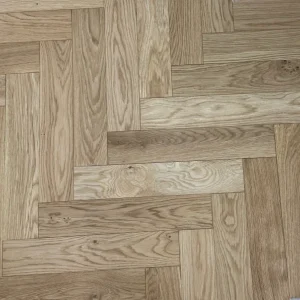
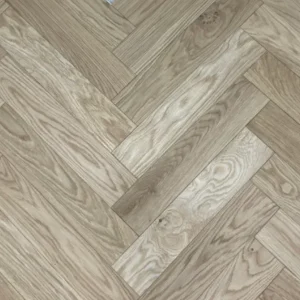
Natural Oak – Engineered Oak Herringbone Parquet Flooring
£25.99 / m² ex. VAT Add to cart -
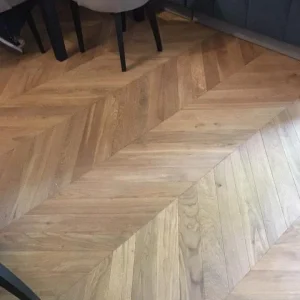
Natural Oak Chevron – Engineered Oak Chevron Parquet Flooring
Price on request Request price -
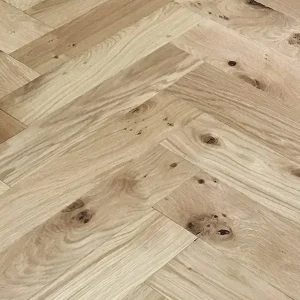
Natural Oak Herringbone – Engineered Oak Herringbone Parquet Flooring
Price on request Request price -
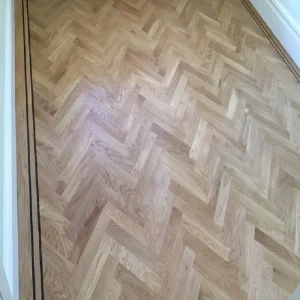
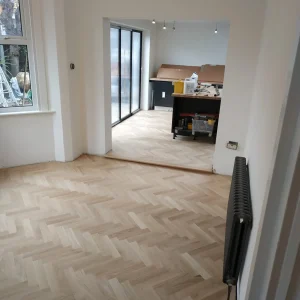
Natural Rustic – Solid Oak Herringbone Parquet Flooring
£50.44 / m² ex. VAT Add to cart -
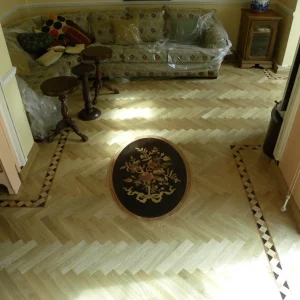
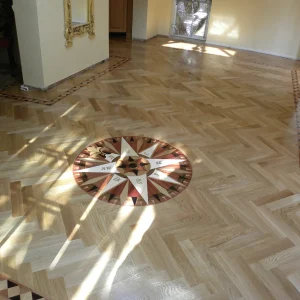
Natural Select – Solid Oak Herringbone Parquet Flooring
£59.27 / m² ex. VAT Add to cart -
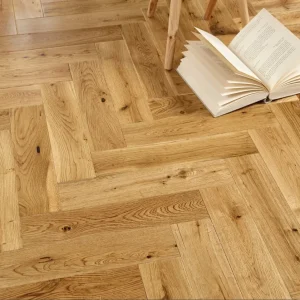
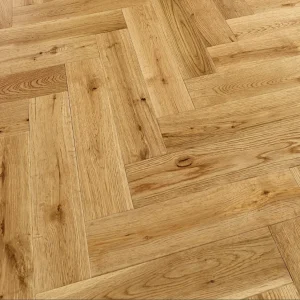
Natural Silk – Engineered Oak Herringbone Parquet Flooring
£47.99 / m² ex. VAT Add to cart -
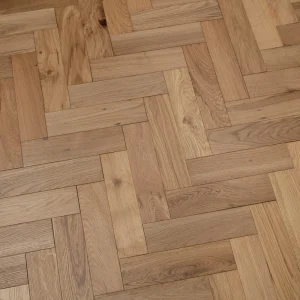
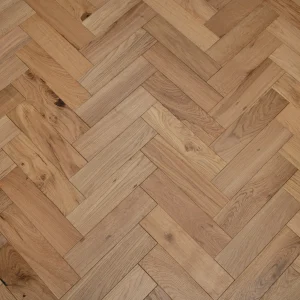
Natural Soft – Engineered Oak Herringbone Parquet Flooring
£40.49 / m² ex. VAT Add to cart -
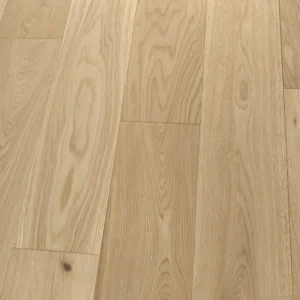
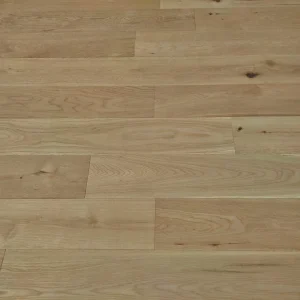
Natural Touch – Engineered Oak Plank Flooring
£36.75 / m² ex. VAT Add to cart -
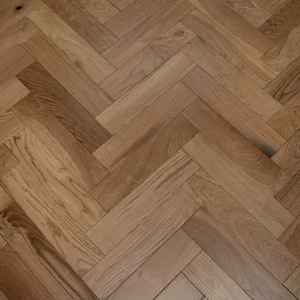
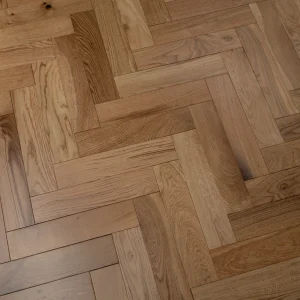
Natural Vibrant – Engineered Oak Herringbone Parquet Flooring
£44.99 / m² ex. VAT Add to cart -
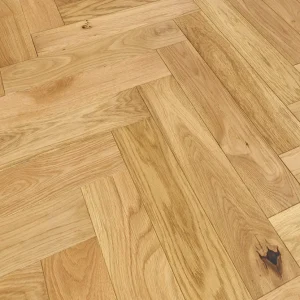
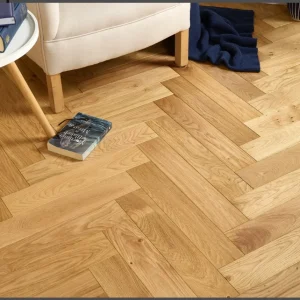
Natural Warm – Engineered Oak Herringbone Parquet Flooring
£52.49 / m² ex. VAT Add to cart -
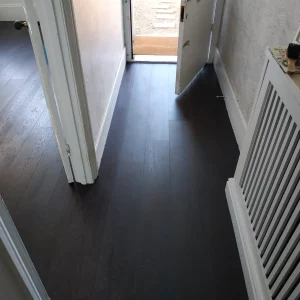

Old Bull Stairs – Engineered Oak Plank Flooring
£47.75 / m² ex. VAT Add to cart -
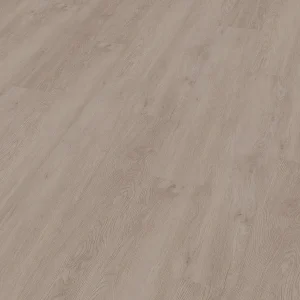
Old Swan Wharf – Engineered Oak Plank Flooring
£48.71 / m² ex. VAT Add to cart -
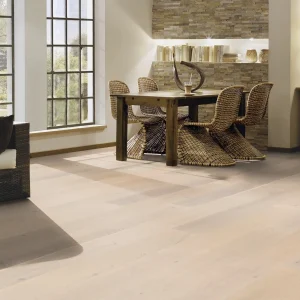
Oyster Cream – Engineered Oak Plank Flooring
£47.75 / m² ex. VAT Add to cart -
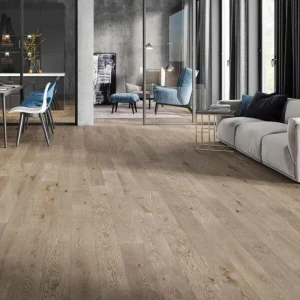
Pebble Grey Oak – Engineered Oak Plank Flooring
Price on request Request price -
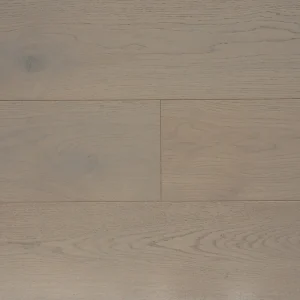 Sale!
Sale!
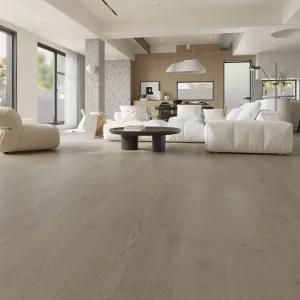
Platinum Oak – Engineered Oak Plank Flooring
Original price was: £44.96.£41.95Current price is: £41.95. / m² ex. VAT Add to cart -
 Sale!
Sale!
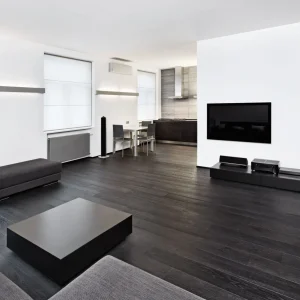
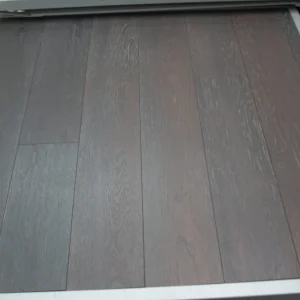
Plumb Slate – Engineered Oak Plank Flooring
Original price was: £36.49.£22.00Current price is: £22.00. / m² ex. VAT Add to cart -
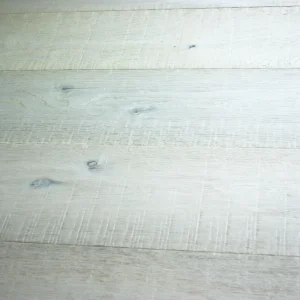
Price’s Candles – Engineered Oak Plank Flooring
£53.90 / m² ex. VAT Add to cart -
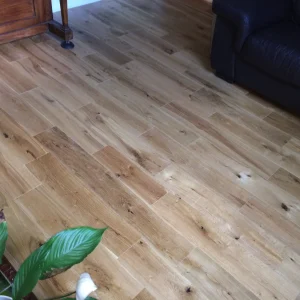
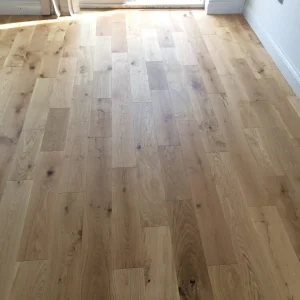
Pure Oak – Engineered Oak Plank Flooring
£44.01 / m² ex. VAT Add to cart -
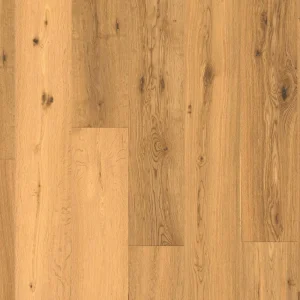
Pure Solid – Solid Oak Plank Flooring
£52.49 / m² ex. VAT Add to cart -
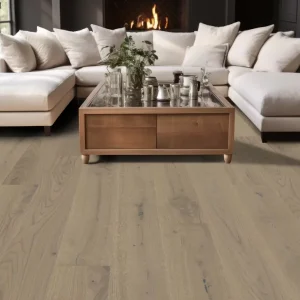

Rabbet – Engineered Oak Plank Flooring
£51.00 / m² ex. VAT Add to cart -
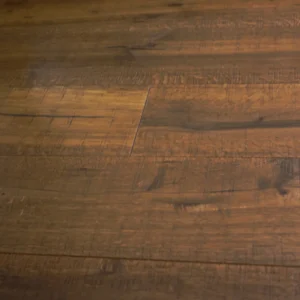
River Wandle – Engineered Oak Plank Flooring
£53.90 / m² ex. VAT Add to cart -
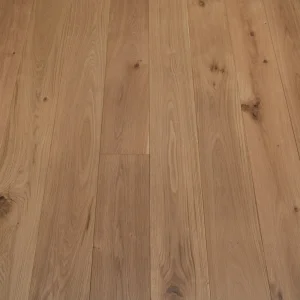
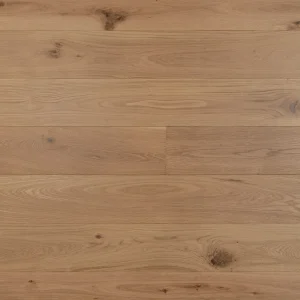
Rustic Brushed – Engineered Oak Plank Flooring
£43.49 / m² ex. VAT Add to cart -
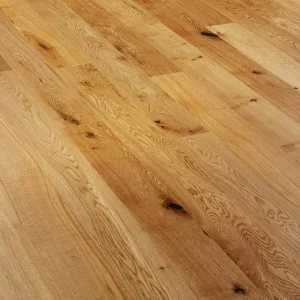
Rustic Brushed & Lacquered Oak – Engineered Oak Plank Flooring
Price on request Request price -
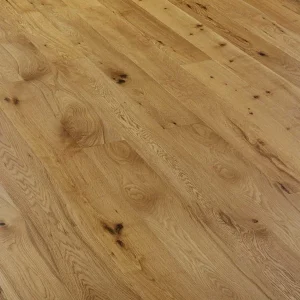
Rustic Brushed & Oiled Oak – Engineered Oak Plank Flooring
Price on request Request price -
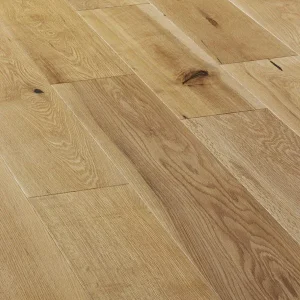
Rustic Brushed & Oiled Oak Petit – Engineered Oak Plank Flooring
Price on request Request price -
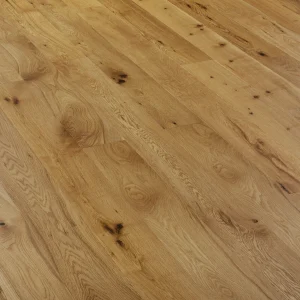
Rustic Oak – Engineered Oak Plank Flooring
£62.40 / m² ex. VAT Add to cart -
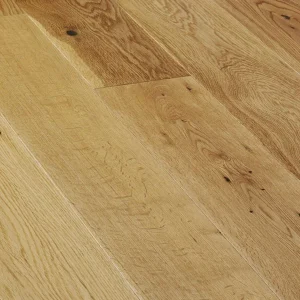
Rustic Oak Lacquered Petit – Engineered Oak Plank Flooring
Price on request Request price -
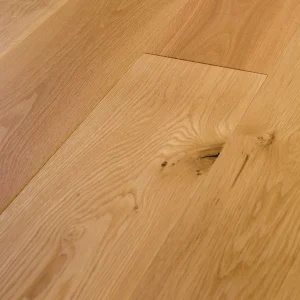
Rustic UV Oiled Oak – Engineered Oak Plank Flooring
Price on request Request price -
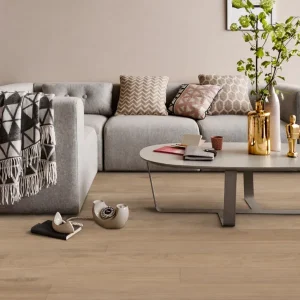
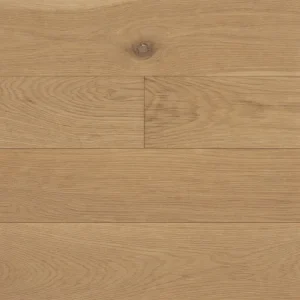
Scandic White – Engineered Oak Plank Flooring
£55.14 / m² ex. VAT Add to cart -
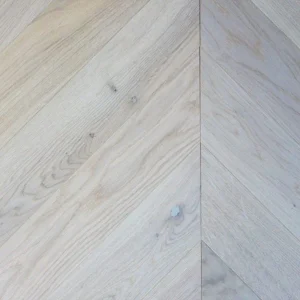
Seashell Oak Chevron – Engineered Oak Chevron Parquet Flooring
Price on request Request price -
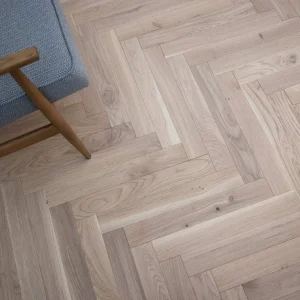
Seashell Oak Herringbone – Engineered Oak Herringbone Parquet Flooring
Price on request Request price -
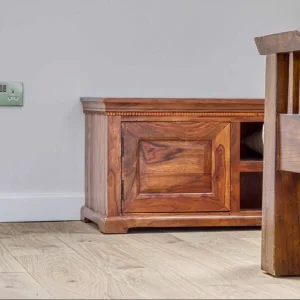
Seashell Oak Plank – Engineered Oak Plank Flooring
Price on request Request price -
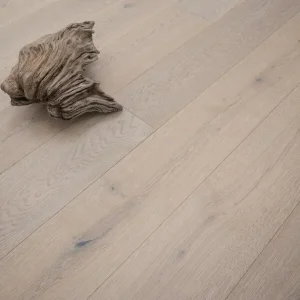
Shore Drift – Engineered Oak Plank Flooring
Price on request Request price -
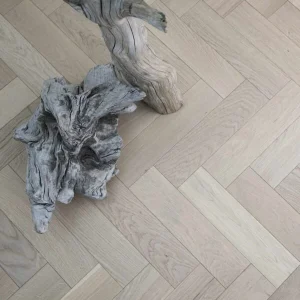
Shore Drift Herringbone – Engineered Oak Herringbone Parquet Flooring
Price on request Request price -
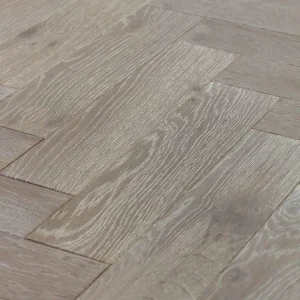
Silver Haze Herringbone – Engineered Oak Herringbone Parquet Flooring
Price on request Request price -

Silver Sands – Engineered Oak Plank Flooring
Price on request Request price -
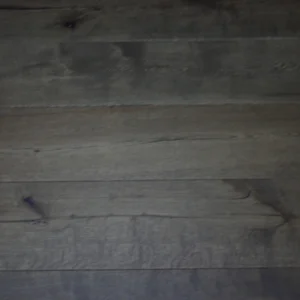
Small Profits – Engineered Oak Plank Flooring
£49.49 / m² ex. VAT Add to cart -
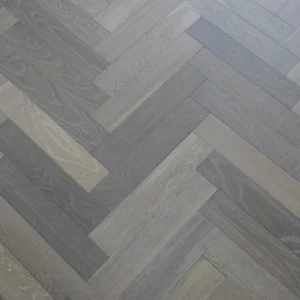
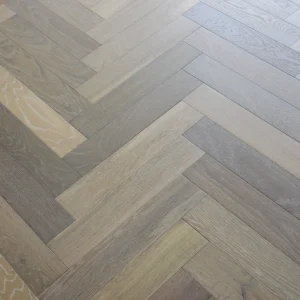
Smoke Grey – Engineered Oak Herringbone Parquet Flooring
£32.99 / m² ex. VAT Add to cart -
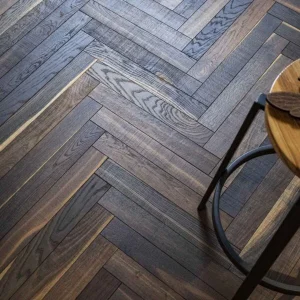
Smoked Cross Sawn Herringbone – Engineered Oak Herringbone Parquet Flooring
Price on request Request price
Floors We Have Laid
Wide natural oak through a Dulwich extension where the kitchen and garden room run together. Smoked oak herringbone in a Norwood living room. Brushed oak over heating in a Beckenham ground floor, commissioned over a fortnight.
More of these, with photographs, are on our recent work page.
Frequently Asked Questions
What is the difference between wood flooring and laminate?
Laminate is a photograph of wood printed onto a board. It can look convincing and it costs less, but it cannot be sanded, so when the surface wears the floor is finished. A real wood floor has oak on top that can be sanded back two or three times, which is why it lasts decades rather than years.
How much does wood flooring cost?
Our floors run from £22.00 to £117.75 per m² excluding VAT, with the middle at £47.99. Fitting is quoted separately because it depends entirely on the subfloor. Send your room sizes and we will price the floor, the materials and the fitting as one figure.
How long does a wood floor last?
With a 3–4 mm wear layer and sensible care, twenty to thirty years in a house, and it can be sanded back to new twice in that time. The floors we are called to replace early are almost always ones laid on a subfloor that was never prepared properly.
Can wood flooring go over underfloor heating?
On 64 of our 134 floors, yes. The constraint is surface temperature: at or below 27 °C, and the screed commissioned before the floor goes down. Solid timber over heating is a bad idea and we would talk you out of it.
Do I need to acclimatise the boards before fitting?
Yes, and skipping it causes more floor failures than any other single thing. The boards need to sit in the room they will live in, in their packs, until they match its humidity. Usually several days. A fitter who wants to lay the day the delivery arrives is cutting a corner that will show.
Can I see the floors before buying?
Yes, two ways. Three samples are free and we post them. Or come to the Forest Hill showroom, where floors are laid out in full boards rather than sample chips — which matters more than people expect, because a 50 mm chip tells you about colour and nothing about pattern.
What Our Customers Say
★★★★★
“We had some herringbone flooring fitted recently. It was a great experience from start to finish and we couldn't be more happy with the result. Ruslan is a…”
★★★★★
“Beautiful job, I’m so pleased. Ruslan is very knowledgable, flagged any potential issues early and advised me on what I could preserve from the existing f…”
★★★★★
“I went to visit Wood4Floors to see some samples, and had a super helpful man show me some things and gave me a few full sized samples of herringbone flooring.…”
Where should I start?
Tell us the rooms, the subfloor if you know it, and whether there is heating underneath. We will narrow 134 floors to a handful worth looking at and send the samples free. No one will chase you afterwards.
Get a Free Quote Order Free Samples