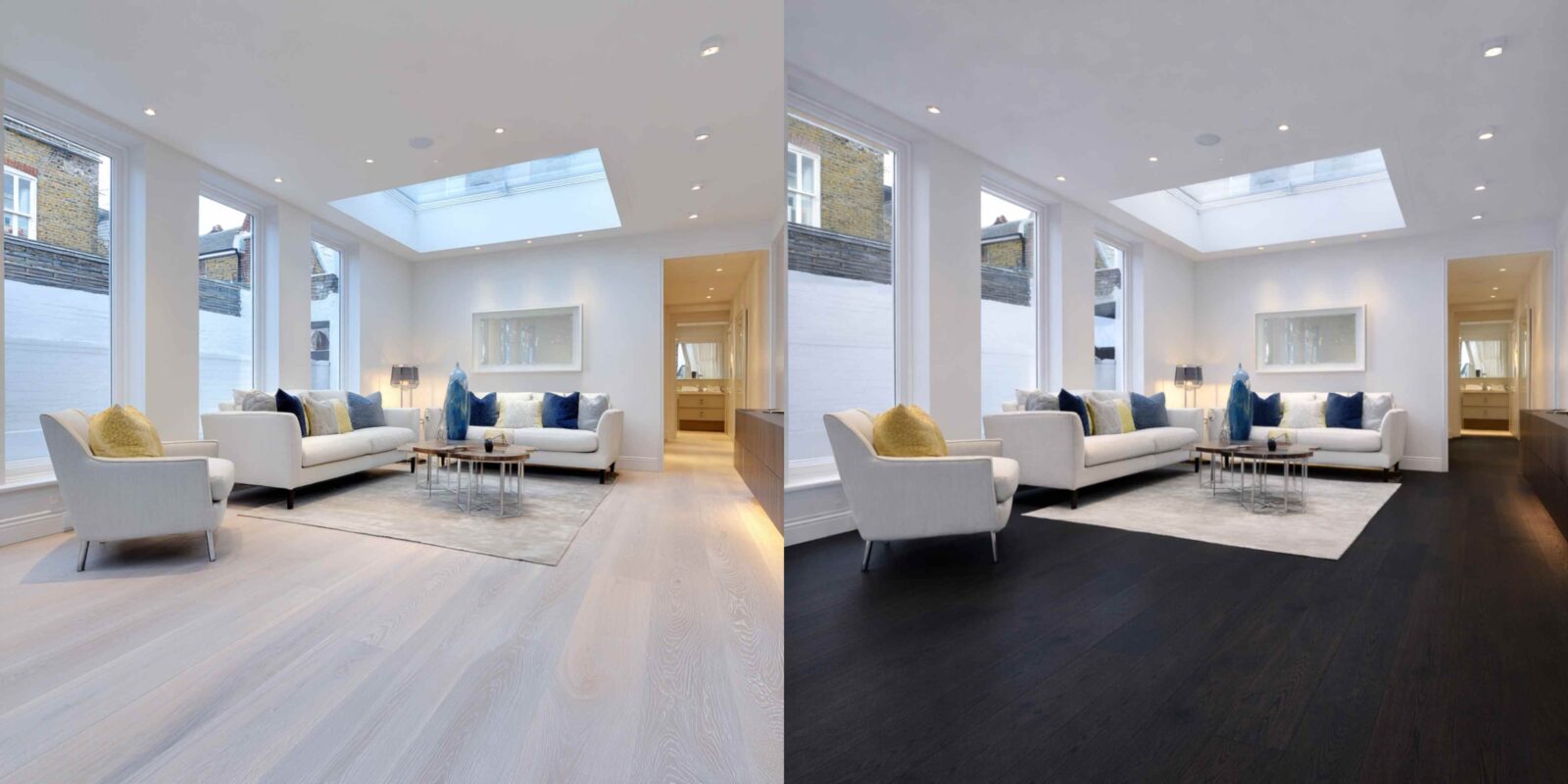
Picture yourself standing in your London living room, two flooring samples in hand — one dark, one light — imagining how each will shape the atmosphere of your home. When comparing dark vs light wood flooring, many homeowners discover that the floor colour can completely change how a room feels, from bright and airy to warm and dramatic.
Before deciding between dark wood flooring and light oak flooring, imagine the feeling you want every time you walk into your home. The colour of your flooring plays a powerful role in shaping that atmosphere, whether you live in a cosy flat, a semi-detached house, or a grand Victorian property. Interior colours can significantly influence how people perceive and experience a space. They affect mood, study performance, and overall satisfaction with the living environment (Costa, 2018).
Understanding the differences between dark vs light wood flooring can help you choose the best option for your space and lifestyle. This guide will help you compare the elegant depth of dark wood flooring, such as espresso tones, with the bright, airy look of white oak flooring and other light oak flooring finishes.
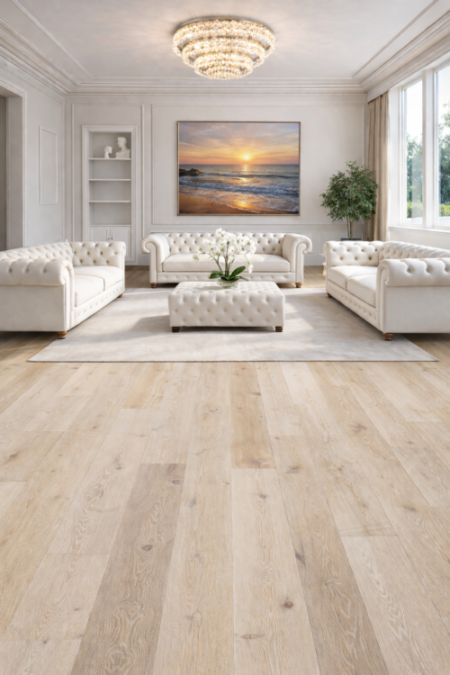
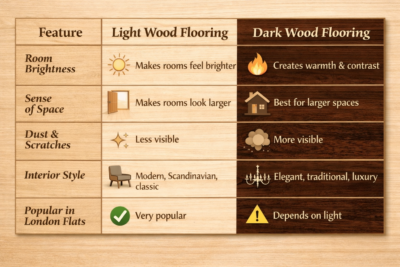
Meet the “Day-Brightener”. Light wood flooring usually comes in shades like natural or white oak, pale Scandinavian finishes, whitewashed tones, and lightly lacquered boards. These floors reflect more light, making rooms feel brighter and more open.
This is why light finish is a popular choice in London homes, especially in flats or terraced houses with less natural daylight. It brings a fresh, modern feel and pairs effortlessly with both contemporary and classic interiors.
According to Wood4Floors, lighter wood tones like white or light oak are popular choices in London homes. They brighten spaces and create an airy feel. However, if you want a touch of drama or luxury, choosing a dark floor could make your space truly stand out.
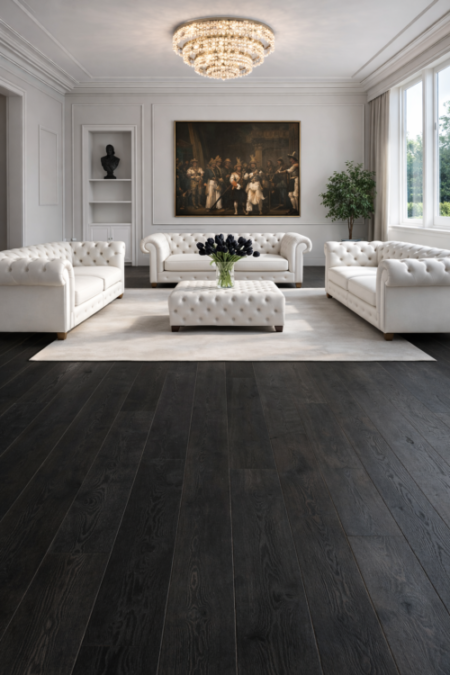
Dark oak engineered wood flooring and natural morning light.
Drama versus dust: Dark wood flooring includes deeper tones such as smoked oak, walnut shades, espresso or chocolate finishes, and rich brown stains. These floors add warmth, contrast, and a sense of luxury to a space. One of our clients told us how switching to a smoked oak flooring finally made their living room match the elegant Victorian sideboard they had cherished for years, bringing the whole space together. While the effect is truly striking, it’s worth noting that dark floors tend to show dust and footprints more quickly than lighter shades. If you love a dramatic look and do not mind a quick sweep each day, dark wood could be your ideal match.
With their elegance, dark tones bring warmth and sophistication. They offer a beautiful contrast to lighter walls and highlighting feature furniture, especially in spacious, well-lit rooms.
Both dark and light wood flooring can work beautifully in different settings. Here’s a quick cheat code for. Light wood flooring is best to brighten small, low-light spaces or create a sense of openness. Dark wood is the go-to for making large or light-filled rooms feel warm and sophisticated. Understanding their unique features will help you choose the right option.
Maintenance: Are Dark or Light Floors Easier to Keep Clean?
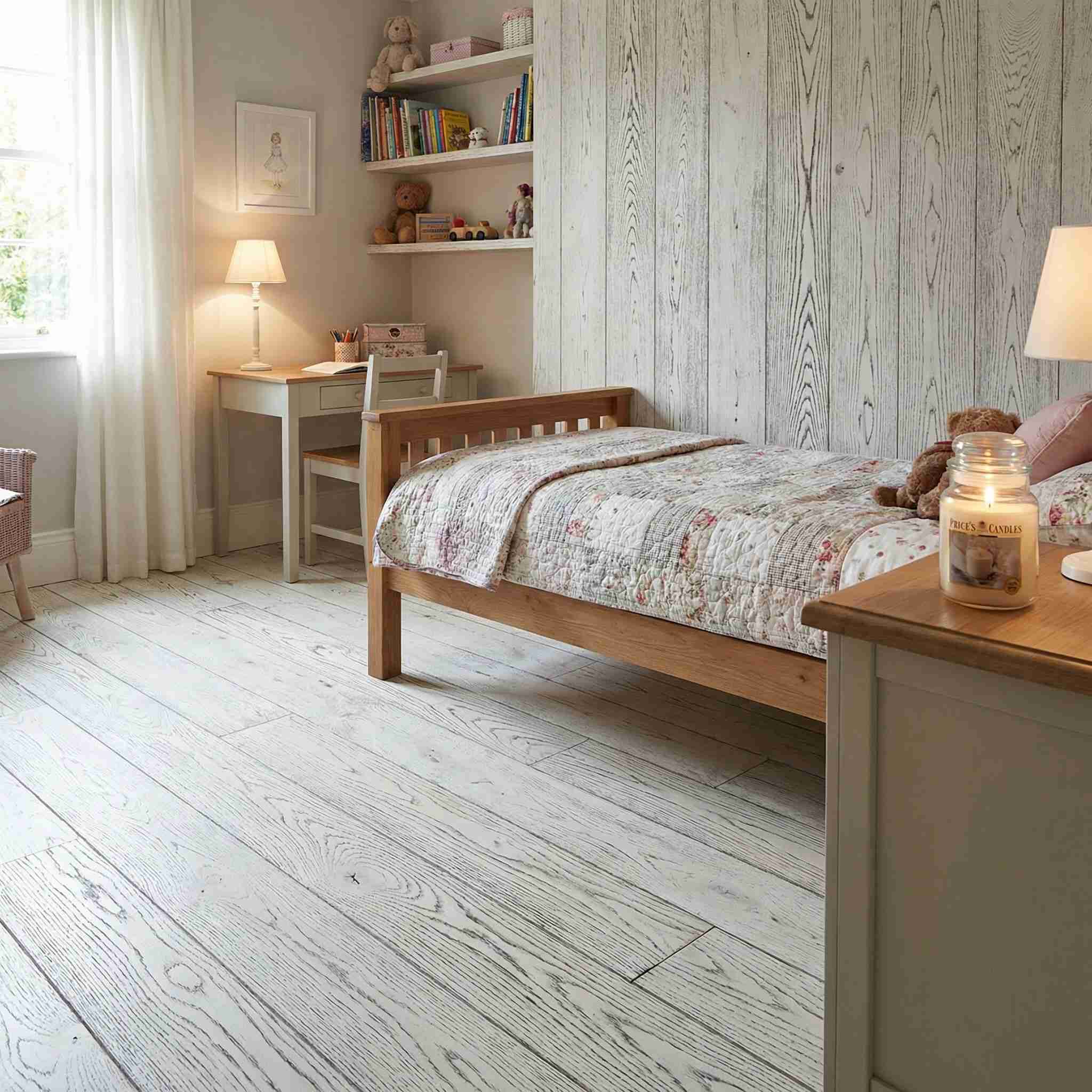
Light oak with black filling engineered wood flooring
From a practical point of view, light finishes, particularly white oak flooring, are an excellent choice for busy households, family homes, and properties with pets. Even after toy truck races, dropped art projects, muddy paw prints, or constant foot traffic, light wood floors tend to stay looking clean and welcoming, as minor scuffs and marks blend naturally into the grain and colour of the boards.
Dark floors might steal the show, but they’re best for those who don’t mind a little extra cleaning to keep that dramatic look dazzling. However, maintenance requirements should be balanced with the look you want to achieve and your daily routine.
Both types can be sanded and refinished, depending on the wood’s thickness, letting you refresh or slightly change the colour over time.
Professional Installation Matters More Than Colour?
Regardless of whether you choose dark or light wood flooring, professional installation is essential. A single mis-installed board can creak and bother you for years to come, or even impact the lifespan of your flooring. Correct preparation, acclimatisation, and fitting ensure your floor remains stable, quiet, and long-lasting.
Installation costs can vary based on the complexity of the pattern or the type of wood you choose. When it comes to maintenance, light floors may help save time and effort, as they hide dust and superficial marks better, while dark floors may require more frequent cleaning to look their best. Don’t overlook the value of investing in installation now to avoid nagging issues and costly repairs down the line.
Dark vs Light Wood Flooring: Which Works Best in London Homes?
“I thought my basement was doomed until I swapped out the old carpet for light oak floors. Suddenly, the whole space felt larger and lighter – my friends hardly recognised it!” Many Londoners share similar experiences; the right wood flooring can transform a home.
Light wood flooring enhances many London homes by making spaces brighter and feel more open. Have a flat, basement, or north-facing room? Lighter floors could be the secret ingredient for extra space and comfort. Light wood flooring is also popular with prospective buyers, which can boost your property’s resale appeal and potentially its value. Still, it’s worth noting instances where dark wood flooring can shine.
Dark wood flooring can look exceptional in:
Period homes with high ceilings
Large reception rooms
Homes with good natural light
For both light and dark tones in London homes, engineered wood flooring is often the most practical and reliable choice. Its multi-layer construction provides greater stability than solid wood. It is ideal for properties with changing humidity levels and is compatible with underfloor heating systems commonly found in modern London homes. Engineered wood is also well-suited to older or period properties. It can be installed over slightly uneven subfloors often found in Victorian, Edwardian, or Georgian houses. This means you can enjoy a classic look without worrying about problematic surfaces or costly subfloor repairs.
If sustainability is important to you.
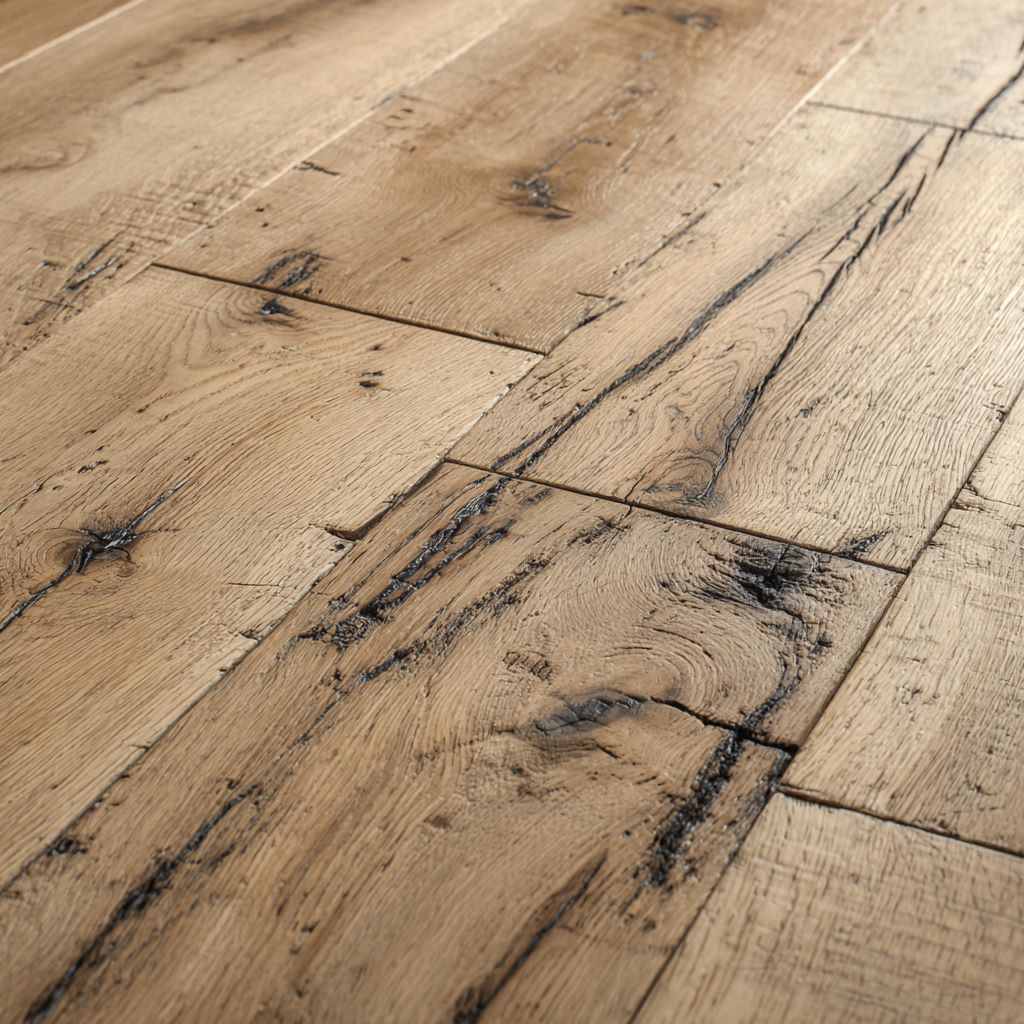
All of our flooring ranges are supplied usingFSC-certified or responsibly sourced timber. This ensures minimal environmental impact without compromising on quality or durability. Imagine telling your dinner guests that your new flooring is not just beautiful, but also helps protect rainforest acreage for future generations. Choosingeco-friendly materials turns your home into a conversation piece and lets you showcase your values with pride. For example, ourCandles Cross Sawn Distressed Oak combines character-rich design with sustainably sourced materials, making it a responsible and stylish choice for homeowners.
Dark wood flooring can create a more intimate feel in smaller or low-light rooms. They may make the space appear slightly more compact. However, in larger rooms or open-plan interiors with plenty of natural light, dark floors can look exceptionally elegant. They can add depth, contrast, and a sense of sophistication to the space.
Is light wood flooring harder to keep clean?
No. Lighter floors often hide dust and small scratches better than dark ones. A small trick: if you want the dust and small debris to go less noticed, choose the white oak floors with dark or black filler in the knots, as its natural contrast blends small imperfections.
Can I change the colour later by sanding or staining?
In many cases, yes. Sanding and refinishing can refresh the surface, but the final colour will depend on the type of wood and finish you use.
When choosingdark vs light wood flooring, consider the room’s size, natural light, and the atmosphere you want to create.
To help you decide, here’s a quick summary for dark wood flooring vs light oak flooring. In most London homes, light wood flooring makes rooms feel brighter and more spacious, and it’s easier to maintain. Dark wood flooring, however, can create a dramatic and luxurious look when used in the right space.
For a simple next step, jot down the rooms in your home where you’d like to see a change in flooring, whether it’s your living room, hallway, or bedroom. You can then order free samples or visit our London showroom, which offers free parking outside and access to different floors to compare finishes in natural light, feel the authentic wood texture, and confidently narrow down your preferred options. We can even help you visualise your chosen samples in photos of your own space, making it easier to move from inspiration to a clear, confident flooring decision.
Ready to transform your space? Contact us today for a tailored quoteand expert advice – let’s help you create a beautiful, lasting home that reflects your unique style. Your perfect flooring is just a step away.